Germany vs Curaçao World Cup 2026 Preview: Can the Four-Time Champions Start Their Redemption?

Germany vs Curaçao World Cup 2026 Preview: Can the Four-Time Champions Start Their Redemption?

Germany vs Curaçao World Cup 2026 opens Group E at the FIFA World Cup 2026 on Saturday June 13 at NRG Stadium in Houston — and for Germany this match carries the weight of two consecutive humiliations. Knocked out in the group stage in 2018. Knocked out in the group stage in 2022. The four-time world champions cannot afford a third consecutive early exit on home soil or in this case on North American soil where millions of German-American fans will be watching.
Curaçao are making their first ever World Cup appearance — a tiny Caribbean island nation of just 150,000 people achieving the greatest moment in their football history. For them this match is pure joy regardless of the result. For Germany it is a mission.

Match Details
Germany vs Curaçao — FIFA World Cup 2026 Group E 📍 NRG Stadium, Houston, Texas 🗓️ Saturday June 13, 2026 🕒 1:00 PM ET — 9:00 PM Doha time 📺 FOX (USA) · beIN Sports (Arab world)

Germany — Two Humiliations, One Mission

Germany have suffered back-to-back group stage eliminations at the 2018 and 2022 World Cups — ending a legendary run of reaching at least the quarter-finals at 16 consecutive tournaments. The pressure on Julian Nagelsmann’s squad to restore German football’s reputation has never been higher.
But this Germany looks genuinely different. Florian Wirtz at 22 is arguably the most technically gifted German midfielder since the golden generation. His partnership with Jamal Musiala gives Germany a creative core that can unlock any defence in the world. Joshua Kimmich provides the defensive intelligence and leadership. Kai Havertz leads the attack with Champions League pedigree.
Germany face Curaçao on June 13 at 1:00 PM ET at Houston Stadium — the perfect opportunity to start the tournament with a confidence-building victory and a statement of attacking intent.
Germany’s key players: Florian Wirtz (Bayer Leverkusen), Jamal Musiala (Bayern Munich), Joshua Kimmich (Bayern Munich), Kai Havertz (Arsenal), Manuel Neuer (Bayern Munich).
Germany’s predicted XI: Neuer; Kimmich, Rüdiger, Tah, Mittelstädt; Andrich, Musiala, Wirtz, Gnabry; Havertz.

Curaçao — The World Cup Debutants Making History

Curaçao — a Dutch Caribbean island of 150,000 people — qualified for their first ever World Cup through the CONCACAF qualifying process, beating Panama, El Salvador and other Caribbean nations across a two-year campaign. Their qualification is one of the greatest achievements in Caribbean football history.
Their squad is built primarily around Dutch-born players of Curaçaoan heritage — many of whom play in the Dutch Eredivisie and lower European leagues. Leandro Bacuna is their most recognisable name. Their coach is completely aware this match against Germany is the ultimate test.
What Curaçao will do: Defend deep. Defend in a low compact block. Hope to frustrate Germany for as long as possible and steal a moment of magic on the counter.

Germany vs Curaçao World Cup 2026 Head-to-Head History

Germany and Curaçao have never met at a senior international level before. This is the first ever competitive match between the two nations.

Prediction
Germany should win this match comfortably. Wirtz and Musiala against Curaçao’s defence will be one of the most one-sided individual battles of the group stage. The only question is how many goals Germany score.
Our prediction: Germany 4-0 Curaçao. Germany need goals to boost their goal difference and make a statement after two consecutive group stage exits. Expect Wirtz and Musiala to put on a show.

Frequently Asked Questions About Germany vs Curaçao World Cup 2026

When is Germany vs Curaçao at World Cup 2026?
Germany vs Curaçao kicks off on Saturday June 13 at 1:00 PM ET — 9:00 PM Doha time. The match is at NRG Stadium in Houston, Texas.

What group are Germany and Curaçao in at World Cup 2026?
Germany and Curaçao are both in Group E alongside Ivory Coast and Ecuador. Germany are the strong favourites to top the group.

Has Germany ever played Curaçao before?
No. Germany vs Curaçao on June 13 is the first ever senior international match between the two nations. Curaçao are making their first ever World Cup appearance.

Who are Germany’s key players at World Cup 2026?
Germany’s most important players are Florian Wirtz (Bayer Leverkusen), Jamal Musiala (Bayern Munich), Joshua Kimmich (Bayern Munich) and Kai Havertz (Arsenal). Wirtz and Musiala are considered two of the most gifted young midfielders in world football.

Can Germany win the World Cup 2026?
Germany are considered dark horses at approximately +1000. Their squad has significant quality with Wirtz, Musiala and Kimmich — but the back-to-back group stage exits in 2018 and 2022 created genuine questions about their tournament mentality. A quarter-final or semi-final is the realistic target.

Conclusion
Germany vs Curaçao is the match that begins Germany’s redemption mission. Four-time champions against first-time debutants. The result is not in doubt. The performance will tell us everything about whether this Germany team is ready to go all the way.

Who will win the whole tournament? Read: World Cup 2026 Favourites to Win — Top 10 Predictions

How many goals will Germany score against Curaçao? Give us your prediction in the comments!

Portugal World Cup 2026 Squad: Ronaldo’s Record Sixth World Cup, Full Official Player List and Group K Preview

Portugal World Cup 2026 Squad

Portugal World Cup 2026 Squad: Ronaldo’s Record Sixth World Cup, Full Official Player List and Group K Preview
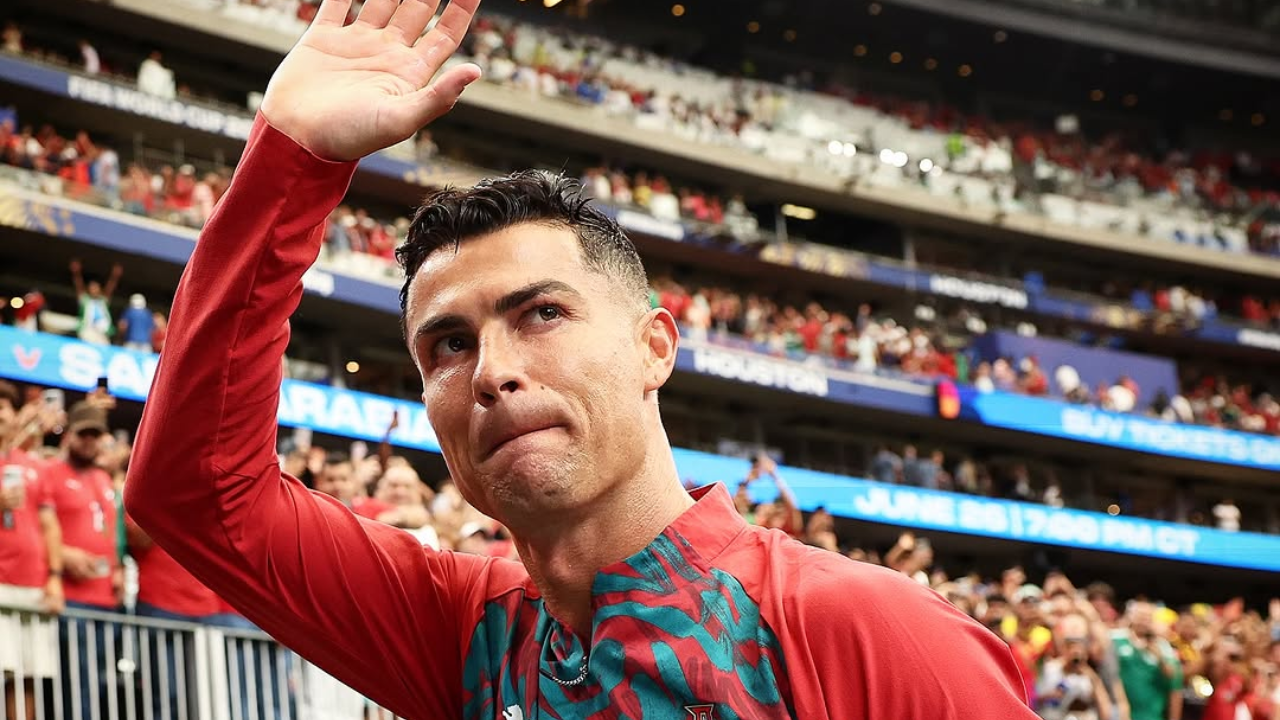
At 41 years old, Cristiano Ronaldo is going to a record sixth FIFA World Cup. Roberto Martínez officially announced Portugal’s World Cup 2026 squad on Tuesday May 19 — and the legendary forward’s name was confirmed exactly where every Portuguese fan needed it to be. Right at the top of the attackers list.
This is not a nostalgic farewell tour. This is Ronaldo arriving at his final World Cup with a squad that many experts consider the most technically gifted Portugal have ever assembled — and with one mission that has burned inside him for over two decades. The only major trophy missing from the most decorated individual career in football history is a World Cup winner’s medal.
The announcement was made at the Museum of Tomorrow in Rio de Janeiro. Portugal head coach Roberto Martínez unveiled a 27-man squad featuring Champions League winners, Ballon d’Or contenders and elite performers from every major league in Europe. Four players from PSG — Champions League finalists — are included. Bruno Fernandes leads from Manchester United. Bernardo Silva brings his Manchester City quality. Rúben Dias anchors the defence. And Cristiano Ronaldo leads the attack for what will be the final chapter of the greatest individual career in football history.

Portugal World Cup 2026 Squad  — Key Facts

Group: K Opponents: DR Congo (June 17), Uzbekistan (June 22), Colombia (June 27) Coach: Roberto Martínez Squad announced: May 19, 2026 World Cup appearances: 7th consecutive World Cup best finish: Third place (1966) World Cup wins: 0 — the dream is still alive

Portugal World Cup 2026 Squad

The Official Portugal World Cup 2026 Squad — Every Player Confirmed

Goalkeepers
José Sá (Wolverhampton Wanderers)
Rui Silva (Sporting CP)
Diogo Costa (Porto)
Ricardo Velho (Farense)

Defenders
Diogo Dalot (Manchester United)
João Cancelo (Barcelona)
Nuno Mendes (PSG)
Rúben Dias (Manchester City)
Nélson Semedo (Fenerbahçe)
Renato Veiga (Villarreal)
Gonçalo Inácio (Sporting CP)
Tomás Araújo (Benfica)

Midfielders
Bruno Fernandes (Manchester United)
Vitinha (PSG)
João Neves (PSG)
Matheus Nunes (Manchester City)
Bernardo Silva (Manchester City)
Rúben Neves (Al Hilal)
Samuel Costa (Mallorca)

Attackers
Cristiano Ronaldo (Al Nassr)
João Félix (Al Nassr)
Pedro Neto (Chelsea)
Gonçalo Ramos (PSG)
Francisco Conceição (Juventus)
Rafael Leão (AC Milan)
Gonçalo Guedes (Real Sociedad)
Francisco Trincão (Sporting CP)

Cristiano Ronaldo — The Final Chapter
At 41 years old the Al Nassr striker will once again lead a Portuguese generation overflowing with talent as Portugal attempts to win the first World Cup title in the nation’s history.
Ronaldo’s World Cup story spans three decades. He was 19 years old when he first played at a World Cup in Germany in 2006 — Portugal reached the semi-finals that year and he announced himself to the world. He played in 2010 in South Africa, 2014 in Brazil, 2018 in Russia where he scored a hat-trick against Spain in one of the tournament’s greatest individual performances, and 2022 in Qatar where Portugal reached the quarter-finals before losing to Morocco.
Now at 41, he arrives at his sixth and almost certainly final World Cup. He has won everything in football — five Champions League titles, five Ballon d’Or awards, the European Championship with Portugal in 2016, the UEFA Nations League. The World Cup winner’s medal is the last piece. The only one that remains.
Even at 41 the forward continues to score goals for Al Nassr in Saudi Arabia and his background and skill set make him an invaluable member of the team. However there is no assurance that he will start every game — if Martínez wants to get the most out of his group of elite players he may decide to use Ronaldo as an impact substitute in certain matches.
That tactical question — does Ronaldo start every match or does Martínez use him as a super-sub to protect his legs for the knockout rounds — is the most fascinating coaching decision at the entire tournament.

The PSG Quadruple — Champions League Winners in Portugal’s Squad
Four players from Paris Saint-Germain including midfield maestro Vitinha have featured in Portugal’s final squad. João Neves, Nuno Mendes and Gonçalo Ramos will look to match their Champions League success in national colours as Portugal aim for their first-ever World Cup triumph. The PSG players are approaching the business end of the 2025-26 season which they will wrap up with a high-voltage Champions League final against Arsenal in Budapest on May 30.
This timing is extraordinary. Four of Portugal’s squad members will play in the Champions League final on May 30 — less than two weeks before Portugal’s opening World Cup match on June 17. Martínez must manage their physical load carefully. Champions League final winners arrive at the World Cup on an emotional high but potentially physically drained. It is a management challenge Martínez has prepared for.

Key Player Analysis

Bruno Fernandes (Manchester United) — The Captain and Creative Heart
Bruno Fernandes is Portugal’s most important player when Ronaldo is not in his peak form. His ability to deliver incisive passes, arrive in the box at the right moment and provide moments of individual brilliance from midfield make him Portugal’s most complete attacking midfielder. His leadership at Manchester United — despite a difficult season at club level — has made him a more mature, complete player. Fernandes is Portugal’s captain in every sense of the word.

Bernardo Silva (Manchester City) — World Class Quality
Bernardo Silva is arguably the most technically gifted Portuguese player of his generation — some would say in the entire tournament. His dribbling, composure under pressure, ability to play in multiple positions and consistent delivery at the highest level make him one of the first names on Martínez’s teamsheet. His partnership with Fernandes and Vitinha in midfield gives Portugal one of the most technically sophisticated midfield units at the tournament.

Vitinha (PSG) — The Ballon d’Or Contender
Portugal’s squad features Ballon d’Or contender Vitinha — the PSG midfielder who has become one of the most complete central midfielders in European football. His ability to control tempo, press intelligently and deliver precise passes in tight spaces makes him the engine of both PSG’s Champions League campaign and Portugal’s World Cup ambitions.

Rúben Dias (Manchester City) — Defensive Rock
Rúben Dias is the defensive foundation on which Portugal’s entire structure is built. One of the best centre-backs in world football — possibly the best. His leadership, aerial dominance, composure on the ball and ability to organise the defensive line give Portugal a defensive solidity that matches any team at the tournament.

João Neves (PSG) — The Young Star
At just 20 years old João Neves is already one of the most impressive midfielders in Ligue 1. His energy, defensive intelligence and ability to win the ball back before immediately distributing give Portugal a dynamic quality in central midfield that complements Silva and Vitinha perfectly. He is one of the tournament’s most exciting young players.

Rafael Leão (AC Milan) — Pace and Unpredictability
Rafael Leão provides Portugal with something unique — explosive pace combined with exceptional technical skill on the left side. His ability to carry the ball at defenders, create space from nothing and deliver in the final third makes him one of Portugal’s most dangerous attacking options. When fully motivated Leão is genuinely unplayable.

João Félix (Al Nassr) — Reunited With Ronaldo
The fact that both Ronaldo and João Félix play for Al Nassr in Saudi Arabia has created a unique club-international connection. Félix arrives at this tournament in the best form of his career — rejuvenated at Al Nassr after difficult spells at Atlético Madrid and Chelsea. His technical quality, creativity and ability to play between the lines make him Portugal’s most unpredictable attacking option alongside Ronaldo.

Gonçalo Ramos (PSG) — The Goal Scorer
Ramos announced himself to the world with a hat-trick as a substitute against Switzerland at the 2022 World Cup in Qatar. His clinical finishing, movement and ability to create space in tight areas give Portugal a natural goal-scorer who can play alongside or instead of Ronaldo depending on the match situation.

The Messi vs Ronaldo Question — Can It Happen at World Cup 2026?
The legendary duo cannot face each other in the group stage. But if both Argentina and Portugal finish as their respective group toppers and successfully overcome the Round of 32 and Round of 16, Ronaldo and Messi will cross paths in the World Cup quarter-finals.
This is the matchup the entire football world is dreaming about. Messi’s Argentina in Group J. Ronaldo’s Portugal in Group K. Different sides of the bracket. If both advance through their groups and win in the Round of 32 and Round of 16, the two greatest players in football history meet one final time on the World Cup stage.
It would be the most watched football match in the history of the sport. The quarter-final to end all quarter-finals.

Group K Analysis — Portugal’s Path to the Knockout Rounds
Portugal are drawn in World Cup Group K with the Democratic Republic of Congo, Uzbekistan and Colombia.
DR Congo (June 17) — Portugal’s opening match and one they should win comfortably. DR Congo are one of Africa’s most improving football nations but lack the individual quality to compete with Portugal’s world-class squad.
Uzbekistan (June 22) — Uzbekistan’s first-ever World Cup appearance. A massive occasion for Central Asian football but Portugal are overwhelming favourites. Three points and a confidence-building victory.
Colombia (June 27) — The match that decides who tops Group K. Colombia have James Rodríguez, Luis Díaz and Jhon Duran — genuine world-class attacking quality. This is Portugal’s most dangerous group game by far. A full-strength Colombia side can beat anyone on their day.

Honest verdict: Portugal should qualify comfortably from Group K — likely as group winners. Their real tournament begins in the knockout rounds where Ronaldo’s experience and the squad’s depth become decisive.

Portugal’s World Cup History and the Dream
Portugal have appeared at seven consecutive World Cups. Their greatest achievement was third place at the 1966 World Cup in England — Eusébio’s legendary nine-goal tournament remains their greatest individual World Cup performance.
Since then Portugal have been consistently good — quarter-finals, last 16 appearances, semi-finals — but never champions. The World Cup has always been the final frontier.
This squad — arguably Portugal’s best ever — arrives with the perfect combination of experience and youth. Ronaldo’s leadership. Bernardo’s brilliance. Vitinha’s control. Rúben Dias’s defensive dominance. Leão’s unpredictability. Ramos’s goals.
If ever there was a Portugal squad capable of winning it — this is the one.

Frequently Asked Questions About Portugal 

What is Portugal’s official World Cup 2026 squad?
Roberto Martínez announced Portugal’s official 27-man World Cup 2026 squad on May 19. Goalkeepers: José Sá, Rui Silva, Diogo Costa, Ricardo Velho. Defenders: Dalot, Cancelo, N. Mendes, R. Dias, Semedo, Veiga, Inácio, Araújo. Midfielders: B. Fernandes, Vitinha, J. Neves, M. Nunes, B. Silva, R. Neves, S. Costa. Attackers: Ronaldo, J. Félix, Pedro Neto, G. Ramos, Conceição, Leão, Guedes, Trincão.

Is Cristiano Ronaldo playing at World Cup 2026?
Yes. Cristiano Ronaldo has been officially confirmed in Portugal’s World Cup 2026 squad by Roberto Martínez. At 41 years old this is Ronaldo’s record sixth World Cup — no male player in history has appeared at more. He plays for Al Nassr in Saudi Arabia and continues to score regularly at the highest level.

What group is Portugal in at World Cup 2026?
Portugal are in Group K alongside DR Congo, Uzbekistan and Colombia. They open against DR Congo on June 17, face Uzbekistan on June 22 and play Colombia on June 27. Portugal are strong favourites to top Group K.

Who is Portugal’s coach at World Cup 2026?
Portugal are managed by Roberto Martínez — the Spanish coach who previously managed Belgium for six years taking them to the World Cup semi-finals in 2018 and top of the FIFA world rankings. He was appointed Portugal head coach in 2023.

Can Messi and Ronaldo face each other at World Cup 2026?
Yes — it is possible. Argentina are in Group J and Portugal are in Group K on opposite sides of the bracket. If both teams advance through their groups and win their Round of 32 and Round of 16 matches they would meet in the quarter-finals. It would be the most watched football match in history.

Who are Portugal’s key players at World Cup 2026?
Portugal’s most important players are Cristiano Ronaldo (Al Nassr), Bruno Fernandes (Manchester United), Bernardo Silva (Manchester City), Vitinha (PSG), Rúben Dias (Manchester City), Rafael Leão (AC Milan) and Gonçalo Ramos (PSG). Four PSG players feature — João Neves, Vitinha, Nuno Mendes and Gonçalo Ramos — all Champions League finalists.

Is this Cristiano Ronaldo’s last World Cup?
Almost certainly yes. At 41 years old Ronaldo is playing at his record sixth World Cup. The 2030 World Cup would take place when he is 45 — an age no outfield player has ever played at a World Cup. World Cup 2026 in North America is his final realistic opportunity to win the only major trophy missing from his legendary career.

Conclusion
Portugal’s World Cup 2026 squad is the most talented collection of players ever assembled by the nation — and they arrive with the greatest motivation in their football history. Ronaldo’s final chapter. Bernardo’s peak years. Vitinha’s brilliance. A squad built to finally deliver what Portugal has always deserved.
The group is manageable. The knockout path is open. The squad is ready. And at the front of it all — at 41 years old, for the sixth and final time — stands Cristiano Ronaldo. Still hungry. Still believing. Still chasing the one trophy that defines everything.
June 17. Portugal vs DR Congo. The final journey begins.

Who will win the whole tournament? Read: World Cup 2026 Favourites to Win — Top 10 Predictions
See our match series: England World Cup 2026 Preview

Can Ronaldo finally win the World Cup at 41? And do you want a Messi vs Ronaldo quarter-final? Tell us in the comments!


Croatia World Cup 2026 Squad: Modric’s Fifth World Cup, Full Official Player List and Group L Preview

Croatia World Cup 2026 Squad

Luka Modrić is going to a fifth World Cup. At 40 years old — playing for AC Milan after leaving Real Madrid — the Ballon d’Or winner and greatest Croatian footballer of all time has been officially confirmed in Croatia’s World Cup 2026 squad by coach Zlatko Dalić. He is aiming for his 200th career cap for Croatia at this tournament.
The Vatreni have always performed beyond expectations at World Cups. 2018 World Cup final. 2022 semi-finals. Now in North America, Croatia arrive once again as the ultimate overachievers — a nation of under 4 million people consistently reaching the final stages of football’s biggest tournament through sheer tactical discipline, fighting spirit and the genius of one man.
This is Croatia’s official World Cup 2026 squad — every player confirmed, two injury concerns monitored and one extraordinary teenage talent making history.

Croatia World Cup 2026 Squad — Key Facts

Group: L Opponents: England (June 17), Panama (June 23), Ghana (June 27) First match: June 17, AT&T Stadium, Dallas — vs England Coach: Zlatko Dalić Squad announced: May 18, 2026 World Cup best: Runners-up 2018, Third place 2022 Also in group: England, Panama, Ghana

Croatia World Cup 2026 Squad

The Official Croatia World Cup 2026 Squad

Goalkeepers
Dominik Livaković (Dinamo Zagreb)
Dominik Kotarski (FC København)
Ivor Pandur (Hull City)

Defenders
Joško Gvardiol (Manchester City)
Duje Ćaleta-Car (Real Sociedad)
Josip Šutalo (Ajax)
Josip Stanišić (Bayern Munich)
Marin Pongračić (AC Milan)
Martin Erlić
Luka Vušković (Hamburger SV / owned by Tottenham)

Midfielders
Luka Modrić (AC Milan)
Mateo Kovačić (Manchester City)
Mario Pašalić
Nikola Vlašić
Luka Sučić
Martin Baturina
Kristijan Jakić
Petar Sučić
Nikola Moro
Toni Fruk

Attackers
Ivan Perišić
Andrej Kramarić
Ante Budimir
Marco Pašalić (Orlando City)
Petar Musa (FC Dallas)
Igor Matanović

Luka Modrić — The Legend Playing His Fifth World Cup

Luka Modrić was included in Croatia’s squad and is set to play in his fifth World Cup. At 40 years old this is the greatest midfielder of his generation arriving at one final chapter on football’s biggest stage.
Modrić won the Ballon d’Or in 2018 — the year he led Croatia to the World Cup final against France — ending the decade-long Messi-Ronaldo stranglehold on the award. He has won five Champions League titles with Real Madrid. He has played over 170 times for Croatia. He is their all-time greatest player.
Now at AC Milan after leaving Real Madrid, Modrić brings something no younger player can replicate — the ability to control a match through pure football intelligence rather than physical dominance. His passing, his positioning, his reading of the game remain elite even at 40. Croatia without Modrić controlling the midfield is a different, lesser team.
His opening match? England at AT&T Stadium in Dallas on June 17 — a rematch of the 2018 World Cup semi-final where Croatia broke English hearts. For every England fan this match carries enormous emotional weight. For Modrić it is simply another stage to perform on.

Two Critical Injury Concerns

Croatia will closely monitor the physical condition of two crucial players: Mateo Kovačić and Joško Gvardiol. The Manchester City midfielder missed most of the season due to Achilles tendon problems, while Gvardiol recently recovered from a fractured tibia that seriously threatened his participation at the World Cup.
Mateo Kovačić — if fit, Kovačić is Croatia’s second most important player after Modrić. His energy, pressing and ability to cover ground give Croatia a dynamic quality alongside the veteran captain. An Achilles injury that kept him out for most of the season is the major concern. His availability from minute one against England on June 17 is uncertain.
Joško Gvardiol — the Manchester City left-back who has become one of the best defenders in world football. Marin Pongračić recently recovered from a facial fracture and will follow a special preparation plan created between AC Milan and Croatia’s medical staff to arrive at the tournament in peak condition. Gvardiol’s pace, attacking ability and defensive quality make him irreplaceable in Croatia’s system when fit.
Both players are expected to be available for the tournament — but Dalić will manage their minutes carefully in the group stage to ensure they are at full capacity for the knockout rounds.

The Youngest Star — Luka Vušković

One of the biggest surprises in the squad is the inclusion of defender Luka Vušković, born in 2007 and considered one of the brightest young talents in European football. The Hamburger SV centre-back, currently owned by Tottenham, has only four senior international appearances, but Zlatko Dalić decided to include him directly in the final squad, making him one of the youngest players at the entire 2026 FIFA World Cup.
Vušković is 18 years old. He represents the future of Croatian football — the next generation arriving just as Modrić’s era closes. His inclusion signals Dalić’s confidence in youth while maintaining the experienced core that has delivered consecutive World Cup success.

Key Player Analysis

Dominik Livaković — Croatia’s undisputed number one and one of the tournament’s best goalkeepers. His penalty-saving heroics against Brazil in the 2022 quarter-finals — stopping three spot kicks — made him a household name worldwide. Against England on June 17 his ability to make crucial saves in tight moments will be tested immediately.

Ivan Perišić — Ivan Perišić has scored in the past three consecutive World Cup tournaments — one of the most remarkable individual World Cup records at this tournament. The veteran attacker provides Croatia with experience, aerial ability and crucial goal threat from wide positions. He has scored in 2014, 2018 and 2022 — he will be desperate to continue that streak in 2026.

Andrej Kramarić — Croatia’s most reliable goal scorer and the player who consistently delivers in the big moments. His movement, hold-up play and clinical finishing in the penalty area make him Croatia’s primary attacking threat through the centre.

Martin Baturina — the young creative midfielder who has been one of the most impressive young players in European football this season. His technical quality, vision and ability to play incisive passes in tight spaces make him Croatia’s most exciting creative talent for the future alongside Vušković.

MLS Representation — Petar Musa and Marco Pašalić — FC Dallas striker Petar Musa and Orlando City winger Marco Pašalić have made Croatia’s final 26-man roster — representing the growing quality of MLS-based players at this World Cup.

Group L Analysis — Can Croatia Reach the Knockouts?

Croatia are in Group L with England, Panama and Ghana.
England (June 17, AT&T Stadium, Dallas) — The opening match and the defining fixture of Group L. England broke Croatia’s hearts at Euro 2020 beating them 1-0 at Wembley. Croatia broke England’s hearts at the 2018 World Cup semi-final. This is a deeply personal rivalry with enormous pride on both sides. England are favourites with Kane, Bellingham and Saka — but Croatia under Modrić never lose without a fight.

Panama (June 23, BMO Field, Toronto) — Croatia’s most winnable group match. Panama are competitive but lack the individual quality to trouble Croatia’s experienced squad. Three points is the realistic expectation.

Ghana (June 27, Lincoln Financial Field, Philadelphia) — Ghana have Kudus and Semenyo providing genuine attacking quality. A competitive match but Croatia should have enough to qualify.
Honest verdict: Croatia should qualify from Group L — likely in second place behind England. In the knockout rounds they become a completely different team and cannot be underestimated by anyone.

Croatia’s World Cup Legacy — Always Overachieving

Croatia will share a group with England, Panama and Ghana, opening their World Cup campaign on June 17 against England in one of the most anticipated matches of the group stage.
Croatia’s World Cup record is staggering for a nation their size. Third place in 1998 on debut. Final in 2018. Semi-finals in 2022. Three consecutive knockout runs that any major football nation would envy.
The secret has always been the same — tactical discipline, collective spirit and Modrić controlling the game. At 40 years old Modrić’s final World Cup campaign gives this squad something priceless: the motivation of playing for their greatest legend one last time.

Frequently Asked Questions About Croatia 

What is Croatia’s official World Cup 2026 squad?
Zlatko Dalić announced Croatia’s official 26-man squad on May 18. Goalkeepers: Livaković, Kotarski, Pandur. Defenders: Gvardiol, Ćaleta-Car, Šutalo, Stanišić, Pongračić, Erlić, Vušković. Midfielders: Modrić, Kovačić, M. Pašalić, Vlašić, L. Sučić, Baturina, Jakić, P. Sučić, Moro, Fruk. Attackers: Perišić, Kramarić, Budimir, Marco Pašalić, Musa, Matanović.

Is Luka Modrić playing at World Cup 2026?
Yes. Luka Modrić has been confirmed in Croatia’s World Cup 2026 squad. At 40 years old this is his fifth World Cup — he plays for AC Milan after leaving Real Madrid and is aiming for his 200th cap for Croatia at this tournament. He won the Ballon d’Or in 2018 when Croatia reached the World Cup final.

What group are Croatia in at World Cup 2026?
Croatia are in Group L alongside England, Panama and Ghana. They open against England on June 17 at AT&T Stadium in Dallas — a rematch of their 2018 World Cup semi-final. They then face Panama on June 23 and Ghana on June 27.

Are Kovačić and Gvardiol fit for World Cup 2026?
Both players have injury concerns. Mateo Kovačić missed most of Manchester City’s season with Achilles tendon problems. Joško Gvardiol recently recovered from a fractured tibia. Both are expected to be available for the tournament but Dalić will manage their fitness carefully through the group stage.

Who is the youngest player in Croatia’s World Cup 2026 squad?
Luka Vušković — born in 2007 and owned by Tottenham Hotspur — is one of the youngest players at the entire 2026 World Cup. The Hamburger SV centre-back has only four senior international appearances but impressed Dalić enough to earn direct inclusion in the final squad.

When does Croatia play England at World Cup 2026?
Croatia vs England is scheduled for June 17, 2026 at AT&T Stadium in Dallas at 9:00 PM ET — 4:00 AM Doha time on June 18. This is a rematch of the 2018 World Cup semi-final which Croatia won 2-1 after extra time. England are favourites but Croatia have beaten them before on the biggest stage.

Conclusion
Croatia’s World Cup 2026 squad carries the weight of their greatest era and the hope of a new generation. Modrić’s fifth World Cup. Perišić scoring in four consecutive tournaments. Livaković saving penalties. Gvardiol dominating from left-back. And Vušković — born 2007 — representing everything that comes next.
Croatia always overachieve. Croatia always compete. And with Modrić on the pitch for perhaps the last time at a World Cup, they will never give up.

June 17. Dallas. England vs Croatia. The story continues.

Read our full preview:World Cup All Time Top Scorers: The Greatest Goalscorers in FIFA World Cup History (Updated2026)

Read:Neymar Named in Brazil World Cup 2026 Squad: Is This Really His Last Chance?

Can Croatia reach the knockouts again at World Cup 2026? And will Modrić produce one last magical moment? Tell us in the comments!


Brazil World Cup 2026 Squad: Neymar Returns, Vinicius Jr Leads and Ancelotti’s Full Official 26-Man List

Brazil World Cup 2026 Squad

He is back. After two and a half years away from the national team — two knee operations, a training ground controversy, a presidential debate and more drama than any football story deserves — Neymar Jr has been named in Brazil World Cup 2026 squad by Carlo Ancelotti.
The announcement was made on Monday May 18, 2026 at the Museum of Tomorrow in Rio de Janeiro in a ceremony that perfectly captured the scale of what this moment means to Brazilian football. The Seleção — five-time world champions, the only nation to have appeared at every single World Cup in history — are back with a star-studded lineup, a legendary Italian manager and the most talked-about squad selection in recent memory.
Neymar. Vinicius Jr. Raphinha. Matheus Cunha. Endrick. Martinelli. Alisson. Marquinhos. Bruno Guimarães.
This is Brazil’s official World Cup 2026 squad — and it is extraordinary.

Brazil World Cup 2026 Squad — Key Facts

Group: C Opponents: Morocco (June 13), Haiti (June 19), Scotland (June 24) First match: June 13, MetLife Stadium, New Jersey — vs Morocco Coach: Carlo Ancelotti World Cup wins: 5 (1958, 1962, 1970, 1994, 2002) Last World Cup win: 2002 — 24 years ago Squad announced: May 18, 2026, Museum of Tomorrow, Rio de Janeiro

The Official Brazil World Cup 2026 Squad — Every Player Confirmed
Goalkeepers
Alisson (Liverpool)
Ederson (Manchester City)
Weverton (Palmeiras)

Defenders
Alex Sandro
Gleison Bremer (Juventus)
Danilo
Douglas Santos
Gabriel Magalhães (Arsenal)
Ibañez (Al-Ahli)
Léo Pereira (Flamengo)
Marquinhos (PSG)
Wesley

Midfielders
Casemiro (Manchester United)
Bruno Guimarães (Newcastle United)
Fabinho (Al-Ittihad)
Lucas Paquetá (West Ham)
Danilo Santos

Attackers
Endrick (Lyon)
Gabriel Martinelli (Arsenal)
Igor Thiago (Brentford)
Luiz Henrique (Zenit)
Matheus Cunha (Manchester United)
Neymar Jr (Santos)
Raphinha (Barcelona)
Vinicius Junior (Real Madrid)
Rayan (Bournemouth)

Brazil World Cup 2026 Squad
Brazil World Cup 2026 Squad List (Via Instagram @sportsoctagon )

The Biggest Story — Neymar Is Back

Neymar is back on the field, making a successful return to action with the Brazil national football team after 2.5 years. The 34-year-old forward last played for Brazil on October 18, 2023, against Uruguay in World Cup qualifying, when he suffered a serious ACL injury that ruled him out for nearly a year.
He was not called up for Brazil’s March 2026 friendly matches against France and Croatia — a fact that led millions of fans to believe his international career was permanently over. Then came his inclusion in the 55-man preliminary squad on May 12. And now — the final confirmation. Neymar Jr is going to the World Cup.
His return to Santos FC in 2026 produced 6 goals and 3 assists in 13 matches, proving his fitness. It was not flashy. It was not the old Neymar at his peak. But it was enough to convince Ancelotti that the talent, the fitness and the desire were all present.
Ancelotti told Esporte Record when asked about Neymar’s place: “He has to be 100%.” On May 18, 2026, Ancelotti decided Neymar was close enough. The greatest Brazilian player of his generation will have one final chapter on the World Cup stage.
This is Neymar’s fourth World Cup. At 34 years old it is almost certainly his last. And it is happening in North America — the most commercial, most watched, most globally significant World Cup in history.

The Notable Absence — Rodrygo Not Selected

Rodrygo is among the surprising omissions from Brazil’s World Cup 2026 squad.
This is the selection that shocked the football world. Rodrygo — Real Madrid’s Champions League-winning attacker and one of the most technically gifted Brazilian forwards of his generation — has been left out entirely. His ACL injury earlier this season ruled him out of the tournament, creating the space that ultimately made Neymar’s inclusion possible.
The absence of Rodrygo is a genuine blow to Brazil’s depth. His ability to operate between the lines, create from wide positions and deliver in the biggest matches for Real Madrid made him one of Brazil’s most valuable players. Ancelotti — who knows him better than almost anyone from their time together at Real Madrid — must trust that the depth he has in attack can compensate.

Key Player Analysis — Brazil’s Star-Studded Lineup

Vinicius Junior (Real Madrid) — The Main Man
Even with Brazil filled with stars, the player attracting the most attention is clearly Vinicius Jr. The Real Madrid superstar will be the main attacking reference for the national team and the face of a new generation dreaming of bringing Brazil back to the top of world football. After establishing himself as one of the most decisive footballers on the planet, Vinicius enters the 2026 World Cup as the centrepiece of Carlo Ancelotti’s project.
At 25 years old, in peak physical condition, Vinicius Jr is arguably the most dangerous attacking player at this entire tournament. His pace, dribbling, finishing and ability to create something from nothing on the left side make him genuinely undefendable when he is in full flow. For Morocco fans on June 13 — Hakimi going forward versus Vinicius going the other way is the most anticipated individual duel of the group stage.

Raphinha (Barcelona) — The Consistent Creative Force
Barcelona’s Raphinha has been one of the most consistent players in Europe over the past two seasons. As a wide attacker capable of playing on either flank, he provides Brazil with creativity, pace and goals. His ability to deliver from wide positions, cut inside and score directly or create for Vinicius and the attackers around him makes him Brazil’s most reliable attacking performer outside of Vinicius Jr.

Alisson (Liverpool) — The World’s Best Goalkeeper
Alisson Becker is one of the finest goalkeepers in the history of the position. His reflexes, distribution, commanding presence and ability to make crucial saves in decisive moments have won him Champions League and Premier League titles with Liverpool. He arrives at this World Cup as one of the two or three best goalkeepers in the tournament alongside Courtois and Maignan.

Marquinhos (PSG) — Captain and Defensive Leader
Brazil’s captain and most experienced defender, Marquinhos arrives as the centre-back around whom Ancelotti’s defensive structure is built. His reading of the game, aerial ability and leadership under pressure give Brazil a calm, composed foundation at the back.

Bruno Guimarães (Newcastle United) — The Engine
One of the Premier League’s most complete midfielders, Bruno Guimarães provides the energy, ball-winning quality and progressive carrying that makes Brazil’s midfield dynamic. His partnership with Casemiro and Paquetá gives Ancelotti a midfield that can both defend and attack effectively.

Matheus Cunha (Manchester United) — The In-Form Forward
PSG’s captain had a treble-winning 2024-25 season at club level and brings that form into the national setup. Cunha has been one of the most impressive attackers in the Premier League this season and arrives at the tournament with genuine momentum, confidence and a point to prove on the biggest stage.

Endrick (Lyon) — The Future of Brazilian Football
At just 18 years old, Endrick is one of the most exciting young talents in world football. His physical presence, directness and natural goal-scoring instinct give Brazil a different type of attacking option. Ancelotti will manage his minutes carefully but Endrick’s ability to change a game from the bench makes him one of the tournament’s most dangerous impact substitutes.

Casemiro (Manchester United) — Experience When It Matters
Despite a difficult season at Manchester United, Casemiro’s World Cup experience, defensive intelligence and ability to protect the back four in high-pressure knockout matches make him an important squad member. His reading of the game when defending deep remains elite even if his legs are not what they once were.

Carlo Ancelotti — The Manager Chasing History
Carlo Ancelotti has officially announced Brazil’s final 26-man squad for the 2026 FIFA World Cup. The legendary Italian manager will coach Brazil in his first-ever World Cup and will carry the responsibility of returning the nation to the top of world football after more than two decades without lifting the trophy since Korea-Japan 2002.
Ancelotti is the most decorated club manager in the history of the Champions League — winning it five times with AC Milan, Chelsea and Real Madrid. He has managed Juventus, PSG, Chelsea, Real Madrid, Bayern Munich and Napoli. He knows what it takes to win the biggest trophies in football.
Managing a national team at a World Cup is a completely different challenge. The tactical preparation time is compressed. The squad selection is more restricted. The pressure from an entire nation of over 200 million people is immense. Whether Ancelotti’s club management genius translates to international football success is the great question of Brazil’s World Cup campaign.

Brazil’s Group C — The Path to the Knockout Rounds

Brazil are in Group C — one of the most watched groups in the entire tournament.
Morocco (June 13, MetLife Stadium, New Jersey) The opening match and the most anticipated fixture of Group C. Morocco are ranked 8th in the world and beat Brazil 2-1 in a 2023 friendly. This is the Arab world’s biggest World Cup match and it happens on day three of the tournament. Vinicius versus Hakimi. Raphinha versus Amrabat. Brazil are favourites but Morocco have already proven they can win.
Haiti (June 19, Lincoln Financial Field, Philadelphia) Brazil’s most straightforward group fixture. Haiti are making enormous progress as a footballing nation but lack the individual quality to compete with Brazil’s attacking depth. Three points here is the minimum expectation.
Scotland (June 24, Hard Rock Stadium, Miami) Scotland qualified impressively through European qualifying but are significant underdogs against Brazil. Steve Clarke’s team are physically competitive and hard to beat but Brazil’s technical quality is in a different category.
Honest verdict: Brazil should top Group C comfortably. Their real tournament begins in the Round of 32 and beyond.

Can Brazil Win the World Cup 2026?

The last time Brazil lifted the FIFA World Cup trophy was in 2002 — an incredibly long wait for the most successful nation in tournament history. Now, with Carlo Ancelotti leading from the sidelines and a generation full of elite talent spread across the biggest leagues in the world, the Seleção enters the 2026 World Cup convinced it has everything necessary to seriously compete for football’s ultimate prize once again.
Brazil are priced at approximately +800 to win the tournament — fourth favourites behind France, Spain and England. Those odds feel slightly harsh for a squad of this quality, but the absence of Rodrygo, the questions over Neymar’s fitness and the uncertainty that always surrounds a first-time international manager in Ancelotti keep them off the top spot.
The Vinicius-Raphinha-Cunha-Neymar attacking combination is the most exciting in world football when it clicks. Alisson and Marquinhos give them defensive reliability. Ancelotti gives them tactical intelligence.
Brazil can win the World Cup 2026. If Vinicius is at his best and Neymar contributes even 3 to 4 games of quality off the bench, this squad has enough to beat anyone on the planet.

FAQ About Brazil Squad

What is Brazil’s official World Cup 2026 squad?
Carlo Ancelotti announced Brazil’s official 26-man squad for the 2026 FIFA World Cup on May 18 at the Museum of Tomorrow in Rio de Janeiro. The squad includes: Goalkeepers — Alisson, Ederson, Weverton. Defenders — Alex Sandro, Gleison Bremer, Danilo, Douglas Santos, Gabriel Magalhães, Ibañez, Léo Pereira, Marquinhos, Wesley. Midfielders — Casemiro, Bruno Guimarães, Fabinho, Lucas Paquetá, Danilo Santos. Attackers — Endrick, Gabriel Martinelli, Igor Thiago, Luiz Henrique, Matheus Cunha, Neymar Jr, Raphinha, Vinicius Junior, Rayan.

Is Neymar in Brazil’s World Cup 2026 squad?
Yes. Carlo Ancelotti ultimately decided to include Neymar in Brazil’s World Cup 2026 squad — returning to the national side after more than two and a half years away. His last appearance for Brazil was October 18, 2023 against Uruguay when he suffered his serious ACL injury.

Who is Brazil’s coach at World Cup 2026?
Brazil are managed by Carlo Ancelotti — the legendary Italian manager who has won the Champions League five times with AC Milan, Chelsea and Real Madrid. This is Ancelotti’s first World Cup as a national team manager.

What group are Brazil in at World Cup 2026?
Brazil are in Group C alongside Morocco, Haiti and Scotland. Their first game is against Morocco on June 13 at MetLife Stadium in New Jersey, then Haiti on June 19 and Scotland on June 24.

Who did Brazil leave out of their World Cup 2026 squad?
Rodrygo is among the surprising omissions from Brazil’s World Cup 2026 squad — he was ruled out through injury. João Pedro of Chelsea and Estêvão also did not make the final squad selection.

When does Brazil play their first World Cup 2026 match?
Brazil open their tournament against Morocco on Saturday June 13 at MetLife Stadium in East Rutherford, New Jersey. For viewers in Qatar and the Arab world the match kicks off at 3:00 AM Doha time on June 14 — a late night fixture for Arab fans but one worth staying up for.

How many World Cups has Neymar played in?
This is Neymar’s fourth World Cup for Brazil — he played in 2014 on home soil in Brazil where he was injured in the quarter-final, 2018 in Russia and missed most of 2022 through injury. At 34 years old World Cup 2026 is almost certainly his final tournament.

Can Brazil win the World Cup 2026?
Brazil are fourth favourites at approximately +800. Their attacking quartet of Vinicius Jr, Raphinha, Neymar and Matheus Cunha is among the most exciting in world football. Ancelotti’s tactical intelligence and Alisson’s goalkeeping quality give them genuine credentials. A first World Cup title since 2002 is the dream — and this squad has the talent to make it reality.

Conclusion
Brazil’s World Cup 2026 squad announced on May 18 is everything football fans hoped for and more. Neymar returned. Vinicius Jr leads. Ancelotti coaches. The five-time champions arrive in North America hungry for a sixth star.
The decision carries significance beyond Brazil’s prospects. Neymar’s presence adds another marquee player to a tournament already featuring established stars, potentially affecting viewership and commercial interest in the US market.
For Arab fans — Brazil arrive in Group C as the first and biggest test for Morocco on June 13. For football fans everywhere — Brazil are back. And when Brazil are truly back at a World Cup, the whole world watches.
June 13. MetLife Stadium. The Seleção are coming.

Read our Morocco vs Brazil preview: Morocco vs Brazil World Cup 2026 Preview — Can the Atlas Lions Shock the World Again?
Who wins the whole tournament? Read: World Cup 2026 Favourites to Win — Top 10 Predictions

Is Neymar a good pick for Brazil’s World Cup squad? And can Brazil finally win their sixth World Cup title? Tell us in the comments!

World Cup All Time Top Scorers: The Greatest Goalscorers in FIFA World Cup History (Updated2026)

World Cup All Time Top Scorers: The Greatest Goalscorers in FIFA World Cup History (Updated2026)

The FIFA World Cup all time top scorers list is one of football’s most sacred records — a list that spans nearly a century of the greatest tournament on earth, from Uruguay 1930 to Qatar 2022. These are the players who defined generations, carried nations on their shoulders and wrote their names into football history with goals that will never be forgotten.
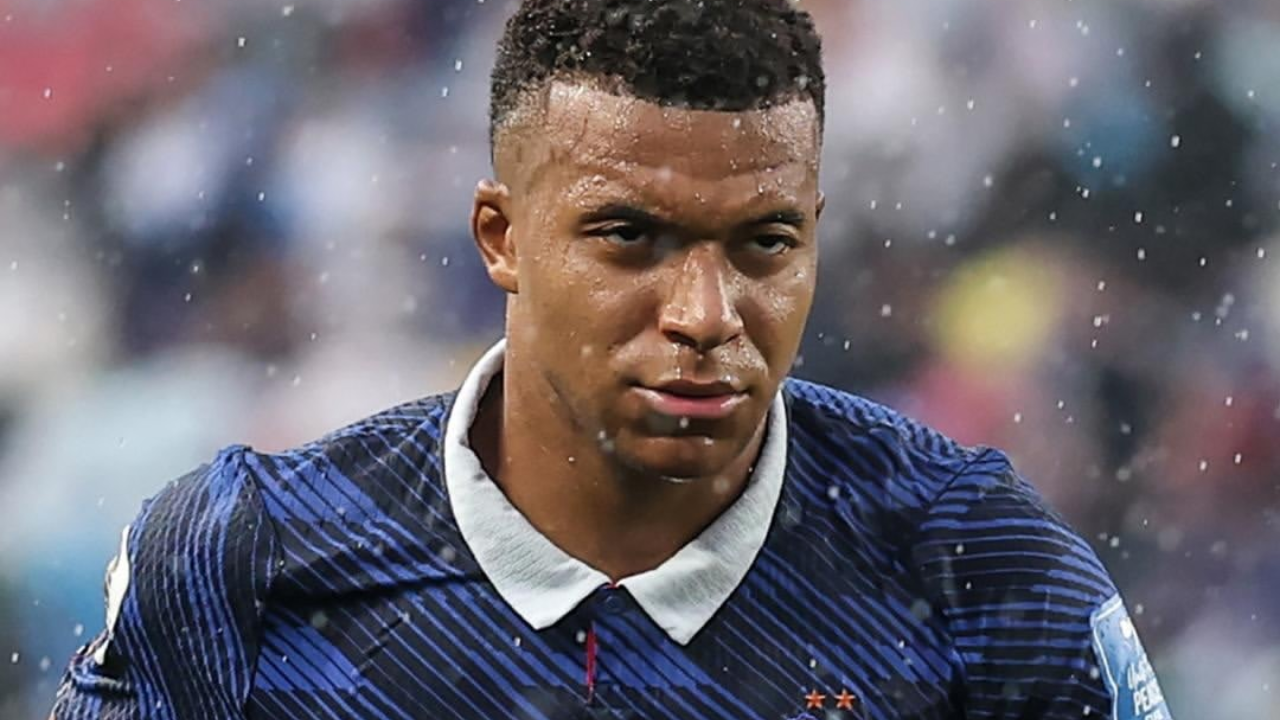
And in 2026, that record is under direct threat. Kylian Mbappé enters the FIFA World Cup 2026 needing just five goals to overtake Miroslav Klose’s all-time record of 16. The greatest goalscoring record in World Cup history could fall this summer in North America.
Here is the complete guide to every World Cup all-time top scorer — from the record holders to the legends who came close — plus everything you need to know about the record chase happening right no

The FIFA World Cup all time top scorers list
The FIFA World Cup all time top scorers List ( Photo Via Instagram @SportsOctagon )

1. Miroslav Klose — The Record Holder (16 Goals)
Miroslav Klose is the greatest goalscorer in World Cup history with 16 goals across four tournaments between 2002 and 2014. The German striker’s record is a monument of consistency — he scored in every single World Cup he participated in, finishing as the tournament’s top scorer in 2006 on home soil and winning the Golden Boot.
What makes Klose’s record extraordinary is not just the number but the longevity. He scored five goals at the 2002 World Cup in Korea and Japan. He scored five again at the 2006 World Cup in Germany. He added four in 2010 in South Africa. And at the 2014 World Cup in Brazil — when he was 36 years old — he scored two more, including the goal that made him the all-time record holder when he overtook Brazil’s Ronaldo with a header against Brazil in the semi-final.
That semi-final — Germany 7-1 Brazil — is one of the most shocking results in World Cup history. Klose’s goal in that match was not just a record-breaker. It was the moment that confirmed his place among the true immortals of the game.
Klose retired from international football after Germany won the 2014 World Cup. His record has stood for 12 years. This summer in North America, Kylian Mbappé has a genuine chance to break it.

2. Ronaldo R9 — The Brazilian Phenomenon (15 Goals)
Ronaldo Luís Nazário de Lima — known universally as Ronaldo or R9 to distinguish him from Cristiano Ronaldo — is the second highest scorer in World Cup history with 15 goals across four tournaments.
His World Cup story is one of football’s greatest tales of triumph over adversity. In 1994 he was part of Brazil’s World Cup winning squad but did not play a single minute. In 1998 he scored four goals but Brazil lost the final to France — after the mysterious episode where Ronaldo suffered a convulsive fit on the morning of the match and was initially left off the teamsheet before being reinstated.
Then came 2002. Ronaldo, having survived two devastating ACL injuries that almost ended his career, arrived at the Korea-Japan World Cup with the world watching in anticipation. He scored eight goals — including both goals in the final against Germany — and won the Golden Boot. It was one of the most remarkable individual tournament performances in sporting history.
In 2006 he broke Gerd Müller’s record when he scored his 15th World Cup goal against Ghana. At that moment Ronaldo was the greatest World Cup scorer of all time. He held that record for eight years until Klose overtook him in 2014.

3. Gerd Müller — The Bomber of the Nation (14 Goals)
Gerd Müller scored 14 World Cup goals in just two tournaments — 1970 and 1974. His scoring rate is almost incomprehensible: 14 goals in 13 matches across two World Cups. He won the Golden Boot at the 1970 tournament with 10 goals in Mexico and scored the winning goal in the 1974 final on home soil as West Germany beat the Netherlands 2-1.
Müller’s nickname “Der Bomber der Nation” — the Bomber of the Nation — perfectly captures his approach to football. He was not elegant or technically gifted in the traditional sense. He was simply the most lethal finisher the game had ever seen. His ability to create space in the smallest areas, turn defenders in the tightest of positions and finish with either foot or his head made him essentially undefendable in the penalty area.
Müller passed away in August 2021 at the age of 75. His World Cup record stood for 20 years before Ronaldo surpassed it.

4. Just Fontaine — The Untouchable Record (13 Goals in One Tournament)
Just Fontaine holds a World Cup record that may genuinely never be broken — 13 goals in a single tournament. At the 1958 World Cup in Sweden, the French striker scored 13 goals in just six matches. That is an average of more than two goals per game at a World Cup.
Fontaine was not even supposed to start the tournament — he was brought in as a replacement for an injured teammate. What followed was one of the most extraordinary individual performances in sporting history. He scored in every single match, including four goals in the third-place play-off against West Germany.
In today’s tournament, with matches ending in draws more frequently and defensive tactics more sophisticated, scoring 13 goals in six World Cup matches is a target so high that even Mbappé at his absolute peak cannot realistically reach it.
Fontaine played only one World Cup. He scored 13 goals. He never played another.

5. Pelé — The King (12 Goals)
Pelé is the only player in history to have won three World Cups — 1958, 1962 and 1970. His 12 goals across those tournaments — he missed most of the 1962 tournament through injury and was kicked out of the 1966 tournament by cynical defending — represent only a fraction of what he might have achieved with better protection from referees and better luck with injuries.
His World Cup story begins at 17 years old at the 1958 tournament in Sweden where he became the youngest ever World Cup scorer and the youngest player to score in a final when he netted twice as Brazil beat Sweden 5-2. The images of the teenage Pelé weeping with joy after the final are among the most iconic in football history.
In 1970 in Mexico, Pelé was at the peak of his powers in what many consider the greatest World Cup performance by any team — a Brazil side featuring Jairzinho, Tostão, Gérson and Rivelino that remains the benchmark against which all subsequent teams are measured.

6. Lionel Messi — The Completist (13 Goals)
Lionel Messi’s World Cup story is the greatest redemption arc in football history. For years the greatest player of his generation carried the pain of never winning the World Cup while his rival Ronaldo won nothing. He came agonisingly close in 2014, reaching the final before losing to Germany. He crashed out in the group stage in 2018 amid accusations that he did not care enough about his country.
Then came Qatar 2022. Messi at 35 years old produced possibly the greatest individual World Cup performance since Maradona in 1986 — scoring seven goals, providing three assists and leading Argentina past Netherlands, Croatia and France on penalties in the final. His tournament statistics — 13 goals in 26 World Cup matches across five tournaments — make him one of the three or four greatest World Cup players of all time.
At World Cup 2026, Messi at 38 has been named in Argentina’s preliminary squad. If he plays and scores, he will move into the top three all-time scorers. Every Messi goal at World Cup 2026 is a historic moment.

7. Kylian Mbappé — The Record Chaser (12 Goals)
This is the story of World Cup 2026. Kylian Mbappé enters the tournament with 12 World Cup goals — just four behind Miroslav Klose’s all-time record of 16. At 27 years old, in peak physical condition and leading a France squad that is one of the tournament favourites, Mbappé has a genuine, realistic chance of becoming the greatest World Cup scorer of all time this summer.
Mbappé scored four goals at his first World Cup in Russia in 2018, including a stunning goal against Argentina that announced him to the world at 19 years old. In Qatar 2022 he was even better — scoring eight goals including a hat-trick in the final against Argentina, becoming only the second player after Geoff Hurst to score a hat-trick in a World Cup final.
The mathematics are simple. France are expected to play at least five matches at World Cup 2026. If Mbappé scores in every match at an average of one goal per game — entirely realistic given his form — he reaches 17 and breaks the record. If he scores two in any match — also realistic — he could break it in as few as four games.
The record chase is the greatest individual storyline of World Cup 2026.

Other World Cup Scoring Legends
Gary Lineker (England) — 10 goals Lineker won the Golden Boot at the 1986 World Cup in Mexico with six goals. His consistency across two tournaments and his penalty area instinct made him one of England’s greatest ever players. He never received a yellow card in his entire professional career.
Jürgen Klinsmann (Germany) — 11 goals The elegant German striker scored across three World Cups between 1990 and 1998. His diving celebrations became almost as famous as his goals. Won the World Cup in 1990.
Teófilo Cubillas (Peru) — 10 goals One of South America’s greatest World Cup performers, Cubillas scored 10 goals across the 1970 and 1978 World Cups for Peru. A master of the free-kick and one of the tournament’s most technically gifted players.
Sándor Kocsis (Hungary) — 11 goals Scored 11 goals at the 1954 World Cup alone — including two hat-tricks. Hungary were considered unbeatable that year but lost the final to West Germany in what became known as the “Miracle of Bern.”

Arab World Cup Scoring Heroes

For Arab football fans, the all-time list contains one name that deserves special recognition.
Salem Al-Dawsari (Saudi Arabia) — scored one of the most famous goals in World Cup history when he curled the winner into the top corner against Argentina at the 2022 World Cup in Qatar. That single goal — giving Saudi Arabia a 2-1 victory over the eventual champions — represents the single greatest Arab moment in World Cup history.
Hossam Hassan (Egypt) — Egypt’s all-time leading scorer who played at the 1990 World Cup. Egypt’s greatest scorer and now their national team coach heading into World Cup 2026.
Salaheddine Bassir (Morocco) — scored twice at the 1998 World Cup in France including a stunning goal against Norway.
Youssef En-Nesyri (Morocco) — the current Morocco striker heading into World Cup 2026 who scored three goals in the historic 2022 semi-final run including the winner against Portugal.

World Cup Golden Boot Winners — Complete History
The Golden Boot is awarded to the tournament’s top scorer. Here is every winner since the prize was officially introduced:

World Cup Golden Boot Winners
World Cup Golden Boot Winners List (Photo Via Instagram @SportsOctagon)

Who Will Win the Golden Boot at World Cup 2026?
The 2026 Golden Boot race is one of the most anticipated individual competitions in World Cup history.
Kylian Mbappé (France) — the favourite and the record chaser. His combination of pace, finishing and the quality of France’s squad make him the clear favourite to win his third consecutive Golden Boot.
Harry Kane (England) — the second favourite entering the tournament with 55 goals in 49 matches for Bayern Munich this season. Kane’s clinical finishing and penalty-taking ability make him dangerous in every match.
Erling Haaland (Norway) — the most prolific club scorer in the world right now. Norway face France and Senegal in a tough group but Haaland’s ability to score from almost nothing makes him a genuine threat.
Lionel Messi (Argentina) — if fit and playing, Messi at his final World Cup could produce one last extraordinary individual performance.
Mohamed Salah (Egypt) — the Arab world’s greatest hope for a Golden Boot contender. If Egypt advance from Group G and Salah is fully fit, his ability to score and create at the highest level makes him a genuine outside candidate.

Need To Know About World Cup

Who is the all-time top scorer at the World Cup?
Miroslav Klose of Germany is the all-time World Cup top scorer with 16 goals scored across four tournaments between 2002 and 2014. He overtook Brazil’s Ronaldo as the record holder when he scored against Brazil in the 2014 semi-final — the famous 7-1 match.
How many World Cup goals does Mbappé have?
Kylian Mbappé has scored 12 World Cup goals — four at the 2018 World Cup in Russia and eight at the 2022 World Cup in Qatar including a hat-trick in the final against Argentina. He needs five more goals to break Miroslav Klose’s all-time record of 16 at World Cup 2026.
What is the record for most goals in a single World Cup tournament?
Just Fontaine of France holds the record for most goals in a single World Cup tournament with 13 goals at the 1958 World Cup in Sweden. This record has stood for 68 years and is widely considered one of the most unbreakable records in football history.
How many World Cup goals does Messi have?
Lionel Messi has scored 13 World Cup goals across five tournaments — 2006, 2010, 2014, 2018 and 2022. He scored seven goals at the 2022 World Cup in Qatar as Argentina won the tournament. At World Cup 2026 he could potentially play his sixth and final World Cup.
Who won the Golden Boot at the 2022 World Cup?
Kylian Mbappé won the Golden Boot at the 2022 World Cup in Qatar with eight goals — including a hat-trick in the final against Argentina. He is the only player to have scored a hat-trick in a World Cup final since Geoff Hurst in 1966.
Who is the youngest player to score at a World Cup?
Pelé of Brazil is the youngest player to score a goal at a World Cup — he scored against Wales at the 1958 World Cup in Sweden at the age of 17 years and 239 days. He also became the youngest player to score in a World Cup final in the same tournament.
Can Mbappé break the World Cup scoring record in 2026?
Yes — realistically. Mbappé needs five goals to overtake Klose’s record of 16. France are expected to play at least five matches at World Cup 2026 and potentially seven or eight if they reach the final. If Mbappé maintains his 2022 form of eight goals in one tournament, he will break the record comfortably.

Conclusion
The World Cup all-time top scorers list is football’s most sacred record book — a century of greatness compressed into goals, tournaments and moments that defined entire nations.
Klose holds the record. Ronaldo came closest. Fontaine holds the single-tournament record that may never fall. Pelé won it three times. Messi finally won it at 35 and may play one final chapter at 38.
And Mbappé is coming. Five goals. Six matches. One record. One summer.
The greatest individual story of World Cup 2026 is already written. We just have not seen the ending yet.

Who will win World Cup 2026? Read: World Cup 2026 Favourites to Win — Top 10 Predictions
Read about France’s squad: France World Cup 2026 Official Squad — Mbappé Leads Les Bleus

Do you think Mbappé will break Klose’s all-time World Cup scoring record in 2026? Who is YOUR pick for the Golden Boot? Tell us in the comments!

Iran Confirmed for World Cup 2026: The Full Story, Seven Demands and What It Means for Egypt

Iran Confirmed for World Cup 2026: The Full Story, Seven Demands and What It Means for Egypt

The most dramatic pre-tournament story of the FIFA World Cup 2026 finally has an ending. After months of political uncertainty, diplomatic tensions, visa denials and demands — Iran will play at the 2026 World Cup. FIFA president Gianni Infantino confirmed it personally and publicly at the FIFA Congress in Vancouver. Iran will play in the United States of America.
But the story does not end there. Iran agreed to participate — with seven specific demands attached. Their federation president called FIFA “weak” and “heavily influenced by politics.” Iranian officials were turned away at the Canadian border trying to attend the FIFA Congress. US President Donald Trump first said Iran was welcome, then said he did not think it was “appropriate” for them to be there. And through all of it, Iran’s players have continued training.
For Egyptian football fans — and every Arab supporter across the Gulf — this confirmation changes everything. Egypt’s very first match at World Cup 2026 on June 15 in Atlanta is against Iran. The most political opponent in the tournament. The most controversial story of the pre-tournament period. The match that nobody expected would even happen.
Here is the complete story.

How the Crisis Started

Iran’s path to World Cup 2026 confirmation was unlike anything in the tournament’s 96-year history. The problems began with geopolitics — specifically the ongoing conflict between Iran and the United States following Israeli-US military actions in the region.
Iran initially indicated it might not send its team to the United States for the World Cup, citing the political situation between the two nations and concerns about the safety and dignity of Iranian players and officials on American soil.
Then came the Vancouver incident. The Iranian Football Federation president Mehdi Taj and other Iranian soccer officials were travelling to the FIFA Congress in Vancouver, Canada when they were turned back at the border. According to Iranian news agency Tasnim — associated with the Islamic Revolutionary Guard Corps — the delegation was denied entry by Canadian immigration authorities. Canada’s Foreign Affairs Minister Anita Anand later confirmed her understanding was that entry permission had been “revoked.”
The scene was extraordinary. At the FIFA Congress roll call where all 211 member associations were named, Iran was announced as absent. Outside the Vancouver Convention Center, a small group of protesters held Iranian flags. Inside, FIFA was preparing the most politically charged announcement in the organisation’s recent history.

Infantino’s Announcement — “Football Unites the World”

FIFA Chief Gianni Infantino announced at the FIFA World Congress in Vancouver that Iran will participate in the upcoming 2026 World Cup saying “Let me start at the outset confirming, straightaway for those who maybe want to say something else or want to write something else, that of course Iran will be participating at the FIFA World Cup 2026. And of course Iran will play in the United States of America. The reason for that is very simple, dear friends, is because we have to unite. We have to bring people together. It is my responsibility.”
The statement was deliberate, clear and left no room for ambiguity. Infantino’s remarks signalled FIFA’s determination to keep the competition on its planned course while ensuring that all qualified national team members remain part of the event.
Iran had previously requested to move their games from the US to either Mexico or Canada, but the world body declined. A ceasefire is in effect between the US and Iran, but peace talks have stalled and it is unclear whether hostilities will resume.

Trump’s Contradictory Response

The US President’s response to Iran’s confirmation was characteristically complicated. US President Donald Trump addressed Iran’s potential participation during a news conference saying “If Gianni said it, I am OK — let them play.”
However, the story did not end there. A day later, in a post on his Truth Social platform, Trump said that although Iran were welcome to play in the US, he did not think it would be “appropriate that they be there, for their own life and safety.”
Two contradictory statements from the US President within 24 hours — welcoming Iran one day, questioning their safety the next. It perfectly captures the extraordinary political complexity surrounding Iran’s participation.

Iran’s Seven Demands — What They Are Asking For

Iran’s confirmation came with conditions attached. Iranian Football Federation president Mehdi Taj outlined specific conditions for Iran’s participation. These included the absence of any political criticism targeting the team, along with comprehensive security guarantees for players and all delegation members. Taj also emphasised the importance of official recognition of the symbols of the Islamic Republic as part of the necessary commitments to ensure his country’s normal involvement.
Iran’s football federation officially confirmed that the national team will participate in the tournament only under a series of specific conditions. The seven core demands include:
1. Full security guarantees — for every player, coach and delegation member throughout their time on US soil.
2. No political demonstrations targeting the Iranian team at matches or official events.
3. Official recognition of Islamic Republic symbols — including the flag and national anthem.
4. No interference with players’ personal freedoms or religious practices during the tournament.
5. Equal treatment with all other participating nations in terms of media access and official FIFA communication.
6. Relocation requests reconsidered — Iran initially asked for their US-based games to be moved to Mexico or Canada, a request FIFA declined.
7. Diplomatic safe passage guaranteed for all Iranian delegation members travelling to and from the United States.
Mehdi Taj expressed reservations regarding FIFA, stating that the organisation is “heavily influenced by international politics” and has become “weak” recently.
These are not the typical pre-tournament logistics discussions. These are the demands of a nation navigating an active geopolitical conflict while trying to participate in a football tournament.

Iran’s Group G — Who Do They Play?

With Iran’s participation confirmed, here is everything you need to know about their World Cup 2026 campaign.
Iran are in Group G alongside Egypt, Belgium and New Zealand.
Match 1 — Iran vs Egypt 📍 Mercedes-Benz Stadium, Atlanta, Georgia 🗓️ Monday, June 15, 2026 🕒 6:00 PM ET — 2:00 AM Doha time (June 16)
Match 2 — Iran vs New Zealand 📍 Gillette Stadium, Boston 🗓️ Friday, June 20, 2026 🕒 3:00 PM ET — 11:00 PM Doha time
Match 3 — Iran vs Belgium 📍 Lincoln Financial Field, Philadelphia 🗓️ Wednesday, June 25, 2026 🕒 9:00 PM ET — 5:00 AM Doha time (June 26)
Iran’s most winnable match is against New Zealand on June 20. Belgium are the group’s strongest team with De Bruyne, Lukaku and Courtois. Egypt — led by Mohamed Salah — represent Iran’s most important psychological battle.

Iran’s Key Players

Alireza Beiranvand — Iran’s captain and goalkeeper. One of the most experienced international goalkeepers in Asian football with over 90 caps. His performances will be critical in keeping Iran competitive against Belgium’s firepower.
Sardar Azmoun (Bayer Leverkusen) — Iran’s most dangerous attacker and their best player in European club football. His movement, finishing and link-up play give Iran a genuine goal threat against any opponent. If Iran are to get results at this World Cup, Azmoun needs to be in peak form.
Mehdi Taremi (Inter Milan) — the veteran striker who has been one of Serie A’s most productive forwards. His physicality, work rate and goal-scoring record at the highest level of European club football make him a proven threat.
Ali Karimi — creative midfielder who provides the link between Iran’s defensive midfield and attack. His ability to find space between the lines and supply Azmoun and Taremi makes him a key figure in Carlos Queiroz’s tactical setup.

What This Means for Egypt — Your First Match Analysis

For Egypt fans across the Arab world, Iran’s confirmation is the news they needed. Egypt’s first World Cup match in years is now definitely happening — on June 15 in Atlanta at 6:00 PM ET — 2:00 AM Doha time.
This is the match that defines Egypt’s entire tournament. Here is the honest breakdown:
Egypt are favourites to beat Iran. With Mohamed Salah fit and motivated for what is likely his final World Cup, Egypt have a genuine match-winner who can create or score in any single moment. Omar Marmoush’s form at Manchester City this season adds a second attacking dimension that Iran will struggle to contain.
Iran will be organised, defensive and disciplined. Under Carlos Queiroz — one of the most experienced international coaches in world football who has managed Iran multiple times — they will not concede easily. Their defensive structure and ability to make themselves difficult to beat is their greatest weapon.
The political context adds an extra layer. Iran’s players arrive having navigated months of controversy, visa denials and uncertainty. Whether that disruption has affected their preparation or galvanised their spirit is the unknown factor. Teams that have been through adversity together can sometimes perform beyond their abilities when the tournament finally starts.
Our honest prediction: Egypt 1-0 Iran — a tight, disciplined match settled by a single moment of Salah quality. Egypt advance to face Belgium knowing a draw or win puts them in contention for the Round of 32.

The Bigger Picture — What Iran’s Participation Means

Iran’s confirmation at World Cup 2026 is about much more than football. Infantino highlighted football’s unique power to build bridges in a divided world, as all 48 participating member associations prepare for the expanded FIFA World Cup.
For Iranian football fans — and there are tens of millions of them across Iran and the Iranian diaspora worldwide — this World Cup represents their team on the world stage at the most politically charged moment in their recent history. Their players are not just representing a football federation. They are carrying the hopes and identity of a nation navigating extraordinary circumstances.
For the tournament itself, Iran’s participation maintains the integrity of the draw and gives Group G the competitive balance it deserves. A World Cup without Iran — a qualified nation ranked in the top 25 in Asia — would have been a significant credibility problem for FIFA.
Football did unite the world. At least for now.

Frequently Asked Questions About Iran 

Is Iran playing at World Cup 2026?
Yes. FIFA president Gianni Infantino confirmed at the FIFA Congress in Vancouver that Iran will participate in the 2026 World Cup and will play their matches in the United States as originally scheduled. Iran’s participation was in doubt for months due to political tensions between Iran and the United States.

Why was Iran’s World Cup 2026 participation in doubt?
Iran initially indicated it might not play at the World Cup due to ongoing political tensions between Iran and the United States following conflict in the region. Iranian officials were also denied entry into Canada to attend the FIFA Congress. Iran requested to move their US-based games to Mexico or Canada — a request FIFA declined.

What conditions did Iran set for playing at World Cup 2026?
Iran’s Football Federation confirmed participation under seven specific conditions including full security guarantees for all delegation members, no political demonstrations targeting the team, official recognition of Islamic Republic symbols, no interference with players’ religious practices, and equal treatment with all other participating nations.

What group is Iran in at World Cup 2026?
Iran are in Group G alongside Egypt, Belgium and New Zealand. Their matches are: vs Egypt on June 15 in Atlanta, vs New Zealand on June 20 in Boston, and vs Belgium on June 25 in Philadelphia.

When does Iran play Egypt at World Cup 2026?
Iran vs Egypt is scheduled for Monday June 15, 2026 at Mercedes-Benz Stadium in Atlanta, Georgia at 6:00 PM ET. For viewers in Qatar and the Arab world that is 2:00 AM Doha time on June 16. This is Egypt’s opening match of the tournament.

Who are Iran’s key players at World Cup 2026?
Iran’s most important players are Sardar Azmoun (Bayer Leverkusen), Mehdi Taremi (Inter Milan) and captain Alireza Beiranvand in goal. Their coach is Carlos Queiroz — one of the most experienced international managers in world football who has managed Iran across multiple World Cup campaigns.

What did Trump say about Iran at World Cup 2026?
US President Donald Trump initially said “If Gianni said it, I am OK — let them play” when asked about Iran’s World Cup participation. However, the following day Trump posted on Truth Social that while Iran were welcome to compete he did not think it would be “appropriate that they be there, for their own life and safety.” FIFA has maintained throughout that Iran will participate and play in the United States as scheduled.

Conclusion
Iran at World Cup 2026 is one of the most extraordinary stories in the tournament’s history — a qualified nation navigating visa denials, geopolitical conflict, diplomatic demands and a US President’s contradictory statements all while their players quietly continued training.
Football won. Iran are playing. The show goes on.
For Egypt fans across the Arab world — your team’s first match is confirmed. June 15. Atlanta. Salah vs Taremi. The Pharaohs against the political storm. 2:00 AM in Doha. Worth every minute of lost sleep.

Read our complete Egypt World Cup guide: 8 Arab Teams at World Cup 2026 — Groups, Fixtures, Key Players and Predictions
See the full schedule: USA World Cup 2026 Complete Schedule — All Matches, Dates and Venues

Do you think Iran’s political situation will affect their performance on the pitch? And can Egypt beat them on June 15? Tell us your prediction in the comments!


England World Cup 2026 Squad: Kane, Bellingham, Saka and the Full Player Guide

England World Cup 2026 List

Thomas Tuchel has made the most controversial England World Cup 2026 squad selection in years — and the football world is talking about nothing else. Trent Alexander-Arnold left out. Cole Palmer dropped. Phil Foden not selected. Harry Maguire and Luke Shaw both missing. Jarrod Bowen and Kieran Trippier both gone.
The official England World Cup 2026 squad was announced by Thomas Tuchel on Friday May 22 — and it is not the squad most fans expected. It is bolder, younger and more controversial than anything England have picked in a generation. Harry Kane leads 26 players to North America with one mission that has been 60 years in the making.
This is the complete official England World Cup 2026 squad — every confirmed player, every shocking omission, and our honest verdict on whether Tuchel’s gamble will pay off.

England World Cup 2026 Squad — Key Facts

Group: L Opponents: Croatia (June 17), Ghana (June 23), Panama (June 27) First match: June 17, AT&T Stadium, Dallas — 9:00 PM ET / 4:00 AM Doha time Coach: Thomas Tuchel Captain: Harry Kane Official squad announced: Friday May 22, 2026

The Official England World Cup 2026 Squad — Every Player Confirmed

Goalkeepers
Jordan Pickford (Everton)
Dean Henderson (Crystal Palace)
James Trafford (Burnley)

Defenders
Reece James (Chelsea)
Tino Livramento (Newcastle United)
Nico O’Reilly (Manchester City)
Djed Spence (Genoa)
Ezri Konsa (Aston Villa)
Marc Guehi (Manchester City)
John Stones (Manchester City)
Jarell Quansah (Liverpool)
Dan Burn (Newcastle United)

Midfielders
Declan Rice (Arsenal)
Elliot Anderson (Nottingham Forest)
Jordan Henderson (Ajax)
Kobbie Mainoo (Manchester United)
Jude Bellingham (Real Madrid)
Morgan Rogers (Aston Villa)
Eberechi Eze (Arsenal)

Attackers
Bukayo Saka (Arsenal)
Noni Madueke (Chelsea)
Marcus Rashford (Aston Villa)
Anthony Gordon (Newcastle United)
Ivan Toney (Al Qadsiah)
Harry Kane (Bayern Munich)
Ollie Watkins (Aston Villa)

The Shock Omissions — Tuchel’s Boldest Decisions

This is the section every England fan is reading first. Tuchel has made seven significant omissions that have shocked the football world:
Trent Alexander-Arnold (Real Madrid) — LEFT OUT The most controversial omission. Alexander-Arnold has been one of the best players at Real Madrid this season — arguably the most creative right-sided player in world football right now. Tuchel’s decision to leave him out completely — rather than play him in a hybrid midfield role — has divided opinion more than any England selection in years. Fabrizio Romano confirmed this alongside the squad announcement.
Cole Palmer (Chelsea) — LEFT OUT Palmer scored in the Euro 2024 final, the UEFA Conference League final and the Club World Cup final — he saves his best for the biggest occasions. His omission is stunning given that form. Tuchel has clearly decided his system does not require Palmer’s profile.
Phil Foden (Manchester City) — LEFT OUT The PFA Players’ Player of the Year just two seasons ago is not in the squad. Foden’s inconsistency at international level compared to his club performances appears to have finally cost him his place.
Luke Shaw (Manchester United) — LEFT OUT Shaw’s injury problems throughout the season have clearly made Tuchel look elsewhere at left-back. Livramento and O’Reilly provide the left-sided options instead.
Harry Maguire (Manchester United) — LEFT OUT Maguire’s Manchester United career has been difficult and Tuchel has clearly decided the younger options of Quansah, Guehi and Konsa are preferable.
Jarrod Bowen (West Ham) — LEFT OUT Bowen’s direct running and goal contributions at club level have not been enough to convince Tuchel that he fits the system better than Madueke, Gordon and Rashford.
Kieran Trippier (Newcastle) — LEFT OUT The experienced right-back whose set piece delivery has been valuable in previous tournaments has been replaced by the younger Reece James and Spence.

Key Player Analysis

Harry Kane (Bayern Munich) — Captain and All-Time Record Scorer Kane enters this tournament having scored a sensational 55 goals in 49 matches for Bayern Munich this season — the best form of his career. England’s captain and all-time leading scorer carries 60 years of hurt on his shoulders. At 32 years old this is his last realistic opportunity to win a World Cup. His movement, finishing and leadership make him irreplaceable regardless of who surrounds him.
Jude Bellingham (Real Madrid) — The Match Winner Bellingham has become the kind of midfielder who shapes matches rather than simply plays in them. His ability to dictate tempo, carry the ball through pressure and arrive in the box with real purpose makes him England’s most important non-Kane player. His partnership with Rice in the centre of the park is the foundation on which Tuchel’s entire system is built.
Bukayo Saka (Arsenal) — England’s Most Consistent Performer Saka has been England’s most reliable performer at every major tournament he has appeared in. His direct running, sharp decision-making and ability to create from the right side make him a constant threat. He is the first name on Tuchel’s teamsheet after Kane.
Declan Rice (Arsenal) — The Engine Rice had an outstanding season at Arsenal and provides the defensive intelligence that allows Bellingham, Saka and the attackers to operate with freedom. His pressing, ball-winning and progressive carrying make him one of the best defensive midfielders at the tournament.
Marcus Rashford (Aston Villa) — The Wildcard Rashford’s inclusion is one of the most surprising selections. After a difficult period at Manchester United he moved to Aston Villa where he has rediscovered his best form. His pace, directness and ability to be decisive on the counter-attack give England a different attacking dimension on the left.
Eberechi Eze (Arsenal) — The Creative Option After his move to Arsenal from Crystal Palace, Eze has developed into one of the most creative attacking midfielders in the Premier League. His inclusion over Cole Palmer is the selection that has most surprised pundits — but Tuchel clearly values his energy and two-way play.
Morgan Rogers (Aston Villa) — The Young Star Rogers has been one of the most impressive young English players this season at Aston Villa. His inclusion over more experienced options like Palmer and Foden is a clear statement that Tuchel is building for the future as well as the present.
Ivan Toney (Al Qadsiah) — The physical striker option who provides an alternative profile to Kane. His aerial ability and hold-up play give England a different attacking option off the bench.
Noni Madueke (Chelsea) — direct, explosive and in outstanding form for Chelsea this season. His pace and ability to beat defenders provide England with width and directness on the right side alongside Saka.
Jordan Henderson (Ajax) — the experienced former England captain returns to the squad after his move to Ajax. His leadership, experience in major tournaments and ability to manage a game’s tempo give Tuchel a valuable squad option.
James Trafford (Burnley) — the young Burnley goalkeeper is a significant inclusion ahead of established Premier League keepers. At 22 years old his presence signals the future direction of England’s goalkeeping.

Tuchel’s England System — What Formation?
Tuchel is expected to set up England in a flexible 4-3-3 or 4-2-3-1. The likely starting XI based on form and selections:
Pickford; Reece James, Stones, Guehi, Livramento; Rice, Mainoo; Saka, Bellingham, Rashford; Kane
The absence of Trent Alexander-Arnold means Reece James plays as a conventional right-back rather than the hybrid role Trent occupied. Livramento provides the attacking left-back option. Rice and Mainoo form a disciplined double pivot allowing Bellingham to operate higher.
The attack is built around Kane through the centre with Saka on the right and Rashford providing pace and directness on the left — giving England width, depth and the constant threat of Kane’s movement in the final third.

What England’s Squad Tells Us About Tuchel’s Philosophy
Three clear principles emerge from these selections:
Youth over experience — Trafford, O’Reilly, Quansah, Rogers and Elliot Anderson are all young players selected ahead of more experienced alternatives. Tuchel is building a team he believes can evolve through the tournament.
Energy and pressing over creativity — The omissions of Palmer, Foden and Alexander-Arnold all point toward a system that values work rate, pressing and defensive contribution alongside attacking quality. Tuchel’s best teams at club level were always built on intense pressing.
Fresh legs over past reputation — Maguire, Trippier and Luke Shaw — all important England players under previous managers — have been replaced by players in better current form or with more physical capacity.

Group L Analysis — England’s Path to the Knockout Rounds

Croatia (June 17, AT&T Stadium, Dallas) — The opening match carries enormous emotional weight. Croatia beat England in the 2018 World Cup semi-final. This is the rematch. England are favourites with Kane, Bellingham and Saka — but Croatia have Modrić controlling the midfield and Livaković in goal. This is not a guaranteed win.
Ghana (June 23, Gillette Stadium, Boston) — England are strong favourites. Ghana have Mohamed Kudus providing genuine quality but lack the overall squad depth to trouble England over 90 minutes.
Panama (June 27, MetLife Stadium, New Jersey) — England should win comfortably. Three points expected.
Honest verdict: England should qualify from Group L comfortably — likely as winners. The real test begins in the knockout rounds.

Can England Win the World Cup 2026?
England are priced at approximately +550 — third favourites behind France and Spain. The controversial squad selections make it harder to assess their ceiling. Without Trent Alexander-Arnold’s creativity and Palmer’s big-game quality the attack may be less unpredictable than expected.
But Kane is in the form of his career. Bellingham changes games. Saka creates constantly. Rice provides the platform. And Tuchel — a Champions League winner — knows how to win knockout football matches.
Sixty years of hurt. This generation. This coach. This time — or not?

Frequently Asked Questions England World Cup 2026

What is England’s official World Cup 2026 squad?
Thomas Tuchel announced England’s official 26-man squad on May 22. Goalkeepers: Pickford, Henderson, Trafford. Defenders: R. James, Livramento, O’Reilly, Spence, Konsa, Guehi, Stones, Quansah, Burn. Midfielders: Rice, E. Anderson, J. Henderson, Mainoo, Bellingham, M. Rogers, Eze. Attackers: Saka, Madueke, Rashford, Gordon, Toney, Kane, Watkins.

Why was Trent Alexander-Arnold left out of England’s World Cup 2026 squad?
Thomas Tuchel made the controversial decision to leave Trent Alexander-Arnold out of England’s World Cup 2026 squad entirely. Alexander-Arnold had an outstanding season at Real Madrid. Tuchel’s decision appears to be based on the tactical system he wants to use — one that does not suit Alexander-Arnold’s hybrid role.

Why was Cole Palmer left out of England’s World Cup 2026 squad?
Cole Palmer was omitted despite scoring in the Euro 2024 final, Conference League final and Club World Cup final. Tuchel appears to have preferred the energy and pressing qualities of Eze and Morgan Rogers over Palmer’s more creative profile.

Who are the biggest omissions from England’s World Cup 2026 squad?
The biggest omissions are Trent Alexander-Arnold (Real Madrid), Cole Palmer (Chelsea), Phil Foden (Manchester City), Luke Shaw (Manchester United), Harry Maguire (Manchester United), Jarrod Bowen (West Ham) and Kieran Trippier (Newcastle United).

When does England play their first World Cup 2026 match?
England vs Croatia kicks off on June 17, 2026 at AT&T Stadium in Dallas at 9:00 PM ET — 4:00 AM Doha time on June 18.

Is Harry Kane fit for World Cup 2026?
Yes. Harry Kane is fully fit and confirmed as England’s captain. He enters the tournament having scored 55 goals in 49 matches for Bayern Munich — the best form of his career at 32 years old.

Who is England’s goalkeeper at World Cup 2026?
Jordan Pickford of Everton is England’s first-choice goalkeeper. He has been England’s number one for nearly a decade and his experience in major tournament football — including penalty shootout heroics — makes him irreplaceable.

Conclusion
England’s official World Cup 2026 squad is Thomas Tuchel’s statement of intent — bold, controversial and built around a clear tactical vision rather than reputation. The omissions of Alexander-Arnold, Palmer and Foden will be debated for weeks. The inclusions of Rashford, Rogers and Trafford signal a coach who trusts his own judgment over popular opinion.
Kane leads. Bellingham creates. Saka delivers. Sixty years of hurt demands more than this. North America awaits.
June 17. Dallas. Croatia. The journey begins.

Read our full preview: France vs Senegal World Cup 2026 Preview: African Champions vs World Cup Favourites
Who will win the whole tournament? Read: World Cup 2026 Favourites to Win — Top 10 Predictions

Do you agree with Tuchel leaving out Trent, Palmer and Foden? Who would YOU pick? Tell us in the comments — England fans, this is your moment!


World Cup 2026 Halftime Show: BTS, Shakira and Madonna Headline the Biggest Concert in Sports History

World Cup 2026 Halftime Show: BTS, Shakira and Madonna Headline the Biggest Concert in Sports History

Football just got its Super Bowl moment. For the first time in the history of the FIFA World Cup — 96 years of tournaments, 22 editions, billions of fans — the World Cup final will have a halftime show. And FIFA did not start small.
BTS. Shakira. Madonna.
Three of the most iconic names in global music history will share the same stage at MetLife Stadium in East Rutherford, New Jersey on July 19, 2026 — during the halftime break of the FIFA World Cup 2026 Final. The show will be watched live by an estimated five billion people worldwide, making it the most viewed musical performance in human history.
This is not just a World Cup story. This is the biggest concert event of 2026. And it happens at the intersection of football and music in a way the world has never seen before.
Here is everything you need to know.

The Official Announcement — How It Was Revealed

Madonna, Shakira and BTS will perform during halftime of the World Cup final, Global Citizen announced on Thursday May 14.
The announcement was made in a way that perfectly captured the scale and spirit of the event. FIFA and Global Citizen announced the three global superstars will co-headline the historic performance, and the announcement video featured Coldplay frontman Chris Martin alongside characters from Sesame Street and The Muppets — with a FaceTime cameo from BTS. Between Kermit the Frog and seven of the biggest pop stars on the planet, it was the most unexpected and joyful announcement in World Cup history.
FIFA president Gianni Infantino said: “This will be a historic moment for the FIFA World Cup and a show befitting the biggest sporting event in the world.”

A World First — Why This Has Never Happened Before

FIFA has announced that for the first time the World Cup final at MetLife Stadium on July 19 will include a Super Bowl-style concert.
For over nine decades, the World Cup final halftime break has been exactly what it sounds like — a break. Players walk off the pitch, coaches give their team talks, fans buy drinks and food, and 15 minutes later the second half begins. No performances. No spectacle. Just football.
That changes forever on July 19, 2026.
Soccer’s governing body said the show would support the FIFA Global Citizen Education Fund, which is raising $100 million to help children access education and soccer.
The final halftime, curated by Coldplay’s Chris Martin, will be produced by the non-profit Global Citizen and benefit the FIFA Global Citizen Education Fund. Throughout the tournament, $1 from every ticket sold to World Cup 2026 matches will be donated to the Fund.
This is not just entertainment — it is the biggest philanthropic moment in sporting history combined with the biggest musical performance in sporting history. All in one 11-minute show.

How Long Is the Halftime Show?

The show will clock in at 11 minutes according to Billboard.
This is shorter than a typical Super Bowl halftime show — which runs 12 to 14 minutes — and deliberately designed to respect football’s traditional 15-minute interval.
Evans told the Associated Press that everyone involved wanted to ensure the performances would be “significantly shorter than the 15-minute mark” — the traditional interval in a match. “Soccer fans around the world can be rest assured knowing that we’re very respectful of the game,” Evans said.
Eleven minutes. Three of the biggest artists in history. One stage. Five billion viewers.

Who Is Performing — Full Breakdown

Shakira — The Queen of World Cup Music

Shakira’s name had already been linked to this year’s World Cup with the announcement of “Dai Dai,” her official 2026 World Cup song with Burna Boy.
But her connection to World Cup music goes far deeper than one song. Shakira has been the soundtrack of football’s greatest moments for two decades. She performed “Hips Don’t Lie” at the 2006 closing ceremony in Germany. She released the iconic “Waka Waka (This Time for Africa)” for South Africa 2010 — one of the best-selling singles in history. She delivered “Dare (La La La)” for Brazil 2014. No artist in history is more synonymous with World Cup music than Shakira.
Shakira said she will perform “Dai Dai” at the halftime show — the song she created for this World Cup.
Shakira said at the conference that she has spent her entire adult life “making songs and building schools,” referring to her nonprofit Barefoot Foundation’s work. “Finally, during this World Cup, those two paths meet.”
She also added — with a smile — that she is hoping her homeland of Colombia makes it to the World Cup final so she can cheer them on from the stage.
Shakira co-headlined the Super Bowl halftime show with Jennifer Lopez in 2020 — one of the most watched Super Bowl performances in history. She knows exactly how to command a stage of this scale.

Madonna — The Queen of Pop Returns

Madonna called performing at the final “deeply meaningful.”
At 67 years old, Madonna remains one of the most iconic and controversial figures in the history of popular music. Her inclusion in the halftime show lineup is a statement — this is not a young artist’s showcase. This is a celebration of music across generations.
Madonna headlined the Super Bowl halftime show in 2012 at Indianapolis — a performance that drew over 114 million viewers and remains one of the most watched musical events in American television history. She knows the Super Bowl stage. Now she takes the World Cup stage.
Madonna is also gearing up for a busy July, with her Confessions II album — the sequel to her 2005 classic Confessions on a Dance Floor — arriving July 3. She has already released lead single “Bring Your Love,” her duet with Sabrina Carpenter, which they live-debuted during weekend 2 of Coachella.
Arriving at the World Cup final two weeks after releasing one of the most anticipated albums of her career, Madonna will be at peak momentum on July 19.

BTS — Seven Members, One Historic Stage

The 2026 final will mark the first time all seven BTS members perform together at a soccer event.
BTS’s inclusion is the element of this lineup that has sent social media into complete meltdown. The seven-member South Korean group — RM, Jin, Suga, J-Hope, Jimin, V and Jungkook — are the biggest boy band in the history of the world by almost every measurable metric. Their fanbase, the ARMY, is one of the most dedicated and digitally active communities on the planet.
BTS made a major return to music earlier this year with the March 20 release of their sixth studio album ARIRANG, the South Korean group’s first project since they went on hiatus for each member to complete their military service. The album debuted atop the Billboard 200 and stayed there for three straight weeks — their first multi-week number one on the chart. Last month they kicked off their ARIRANG WORLD TOUR in Goyang, South Korea, before bringing the trek to the US on April 25.
BTS are not just returning — they are at the peak of their second era. Fresher, more mature and more global than ever before. Their World Cup final performance will be watched live by hundreds of millions of fans who have never watched a football match in their lives.
Their complex, synchronized choreography requires a completely flat, highly specialized protective flooring over the grass turf. Representatives from the South Korean music industry confirmed that the group is preparing entirely new musical arrangements. Their performance segment will merge traditional Korean cultural elements with ultra-modern Western pop production.

Who Is Curating the Show — Chris Martin’s Vision

The show will be curated by Coldplay’s Chris Martin, who came up with the idea four years ago while watching the previous World Cup.
According to Martin, the whole thing will be “all about togetherness… and everyone’s invited.”
The show is produced by Global Citizen alongside Live Nation and Done + Dusted.
Martin’s vision is deliberately inclusive — three artists representing three completely different generations, three different cultures and three different corners of the global music map. Shakira represents Latin America and the Global South. Madonna represents Western pop’s greatest era. BTS represents Asia and the new global digital generation. Together they represent the entire world — which is exactly what a World Cup final should feel like.

The Charity Behind the Show

This halftime show is not just entertainment. The performance will support the FIFA Global Citizen Education Fund, an initiative aimed at raising $100 million to expand access to education and football opportunities for children around the world. FIFA says more than $30 million has already been raised, with $1 from every World Cup 2026 ticket sold going toward social impact projects globally.
For Arab fans, this has personal relevance. The FIFA Global Citizen Education Fund specifically targets underserved communities in Africa, Asia and Latin America — regions that include the Arab world. Every ticket sold at this World Cup contributes directly to children’s education in these communities.

What This Means for Arab Fans

The World Cup Final halftime show has particular significance for Arab and Middle Eastern football fans watching from Qatar, Saudi Arabia, Egypt and across the Gulf.
Shakira performed in the Middle East as part of her El Dorado World Tour and has enormous popularity across the Arab world. Her “Waka Waka” anthem is still sung at Arab football fan zones to this day. Hearing her perform “Dai Dai” — a song co-written with Nigerian superstar Burna Boy that blends Afrobeats with Latin rhythms — will be a celebration felt across the entire Arab world and Africa simultaneously.
BTS have a significant and passionate ARMY fanbase in Saudi Arabia, Egypt, Qatar and the UAE. For millions of young Arab fans who follow K-pop, July 19 is not just a World Cup final — it is the concert of a generation happening at the world’s biggest sporting event.
The halftime show begins at 3:11 PM ET on July 19 — which is 11:11 PM Doha time. A perfect time for Arab fans to be watching.

How to Watch the World Cup 2026 Final Halftime Show

The performance will be broadcast live from MetLife Stadium in New Jersey to millions of viewers worldwide.
In the USA: Fox and FS1 broadcast the final in English. Telemundo broadcasts in Spanish. Both will show the halftime show live.
In the UK: ITV broadcasts the final free-to-air. The halftime show will be shown live.
In the Arab world: beIN Sports holds broadcasting rights for the entire tournament including the final and halftime show across Qatar, Saudi Arabia, Egypt, UAE and the wider Arab world.
Online: The Fox Sports app, ITV Hub and beIN Sports Connect all stream the final live including the halftime performance.

Need To Know 

Who is performing at the World Cup 2026 Final halftime show?

BTS, Shakira and Madonna will co-headline the first-ever FIFA World Cup Final halftime show on July 19, 2026 at MetLife Stadium in New Jersey. The show is curated by Coldplay’s Chris Martin and produced by Global Citizen alongside Live Nation and Done + Dusted.

When is the World Cup 2026 Final halftime show?

The World Cup 2026 Final takes place on Sunday July 19, 2026 at MetLife Stadium. Kickoff is at 3:00 PM ET — 11:00 PM Doha time. The halftime show begins approximately 45 minutes after kickoff — around 3:50 PM ET and 11:50 PM Doha time. The show runs for 11 minutes.

Is this the first ever World Cup Final halftime show?

Yes. The 2026 World Cup Final is the first time in FIFA World Cup history — 96 years of the tournament — that the final has featured a halftime show. It follows the model of the Super Bowl halftime show which has featured artists including Michael Jackson, Beyoncé, Rihanna and Bad Bunny.

Will all 7 BTS members perform at the World Cup 2026 Final?

Yes. All seven BTS members — RM, Jin, Suga, J-Hope, Jimin, V and Jungkook — will perform together at the World Cup Final halftime show. This is the first time all seven members have performed together at a football event. BTS member Jungkook previously performed solo at the 2022 Qatar World Cup opening ceremony.

What song will Shakira sing at the World Cup 2026 halftime show?

Shakira has confirmed she will perform “Dai Dai” — the official 2026 FIFA World Cup anthem she created with Burna Boy — at the halftime show. She may also perform other songs from her extensive World Cup catalogue including “Waka Waka (This Time for Africa).”

How long is the World Cup 2026 halftime show?

The World Cup 2026 Final halftime show will run for approximately 11 minutes — deliberately kept under the traditional 15-minute football halftime interval to respect the game. The producers confirmed the performances are designed to be “significantly shorter than the 15-minute mark.”

What charity does the World Cup 2026 halftime show support?

The halftime show supports the FIFA Global Citizen Education Fund which is raising $100 million to expand access to quality education and football for children around the world. More than $30 million has already been raised. One dollar from every World Cup 2026 ticket sold goes directly to the fund.

Conclusion
The World Cup 2026 Final halftime show is the moment football and music merge on a scale the world has never seen. BTS bringing their seven-member spectacle to the world’s biggest stage. Shakira performing the anthem she was born to sing. Madonna proving at 67 that she remains the Queen of Pop. All of it in 11 minutes. All of it on July 19. All of it watched by five billion people.
For football fans it is one more reason to love this World Cup. For music fans it is the concert of a generation. For the children who will benefit from the $100 million education fund — it is something far more important than entertainment.
The final whistle blows at 45 minutes. Then the music begins.
July 19. MetLife Stadium. 11:11 PM in Doha. Do not miss it.

Want to know everything about the World Cup 2026 Final venue? Read: USA World Cup 2026 Complete Schedule — All Matches, Venues and Times
Who will play in the Final? Read: World Cup 2026 Favourites to Win — Top 10 Predictions

Which performer are you most excited to see — BTS, Shakira or Madonna? Tell us in the comments! ARMY fans — we want to hear from you!

Belgium World Cup 2026 Squad: Official Player List, Key Stars and Group G Preview

Belgium World Cup 2026 Squad: Official Player List, Key Stars and Group G Preview

Belgium have officially announced their World Cup 2026 squad — and it is a fascinating mix of the Golden Generation’s last survivors and a new wave of exciting young talent. Coach Domenico Tedesco has named 26 players for the tournament in North America, led by the legendary Kevin De Bruyne in what is almost certainly his final World Cup.

For Egypt fans and Arab supporters — Belgium are in Group G alongside Egypt, Iran and New Zealand. This is the squad that Mohamed Salah and Omar Marmoush must overcome if the Pharaohs are to reach the knockout rounds. Study it carefully.

Here is the complete official Belgium World Cup 2026 squad with every player analysed.

Belgium World Cup 2026 Squad  — Key Facts

Group: G
Opponents: New Zealand (June 16), Egypt (June 21), Colombia (June 26)
Coach: Domenico Tedesco
FIFA World Ranking: Top 10

The Official Squad — Every Player Confirmed

Goalkeepers
Thibaut Courtois (Real Madrid)
Mike Penders
Senne Lammens

Defenders
Timothy Castagne
Zeno Debast
Maxim De Cuyper
Koni De Winter
Brandon Mechele
Thomas Meunier
Nathan Ngoy
Joaquin Seys
Arthur Theate

Midfielders
Kevin De Bruyne
Amadou Onana
Youri Tielemans
Hans Vanaken
Nicolas Raskin
Axel Witsel

Attackers
Charles De Ketelaere
Jeremy Doku
Matias Fernandez-Pardo
Romelu Lukaku
Dodi Lukebakio
Diego Moreira
Alexis Saelemaekers
Leandro Trossard


Key Player Analysis

Thibaut Courtois (Real Madrid) — Belgium’s captain and the best goalkeeper in the world on his day. After recovering from a serious ACL injury that kept him out for over a year, Courtois has returned to his best form at Real Madrid. His shot-stopping, distribution and commanding presence make him a genuine match-winner. For Belgium to go deep in this tournament, Courtois needs to be at his best from game one.

Kevin De Bruyne — The heartbeat of Belgian football for over a decade. At 34 years old this is almost certainly De Bruyne’s final World Cup — Belgium’s greatest ever player, one of the finest midfielders of his generation. His ability to control tempo, deliver incisive passes and score from distance makes him Belgium’s most dangerous and most important player. Even with reduced physical intensity his football intelligence remains unmatched.

Romelu Lukaku — Belgium’s all-time leading scorer returns to the World Cup stage hungry for goals. His physical presence, hold-up play and goal-scoring instinct give Belgium a direct threat that no defender enjoys facing. Now at AS Roma after his career renaissance in Serie A, Lukaku arrives in strong form and with genuine motivation for a final major tournament moment.

Jeremy Doku (Manchester City) — the explosive young winger who is one of the most exciting attackers at this tournament. His pace, directness and ability to beat defenders one-on-one make him impossible to ignore. Doku’s performances for Manchester City this season have been outstanding. He is Belgium’s most dynamic and dangerous attacker going forward.

Amadou Onana — the powerful defensive midfielder who provides the engine in central midfield. His physical presence, aerial ability and ball-winning instinct give Belgium a foundation that allows De Bruyne to operate higher up the pitch. A key player in Belgium’s tactical structure.

Charles De Ketelaere (Atalanta) — one of Serie A’s most impressive performers this season. His technical quality, creativity and goal threat from a wider attacking position give Belgium genuine depth in attack. His partnership with Doku on the flanks will cause problems for any defence.

Leandro Trossard (Arsenal) — versatile, experienced and reliable. Trossard provides multiple options for Tedesco — he can play wide left, as a number 10 or through the centre. His consistency at Arsenal and composure in big matches make him a reliable squad member.

Axel Witsel — the veteran midfielder returns for one final tournament. His experience, leadership and ability to read the game give Belgium calm authority in midfield even as his physical output has reduced.


What This Squad Means for Egypt

Egypt face Belgium on June 21 in Atlanta. Looking at this squad honestly — Belgium are significantly stronger than Egypt across almost every position. Courtois, De Bruyne, Lukaku and Doku represent world-class quality that Egypt’s defence will struggle to contain.

However Egypt are not without hope. Mohamed Salah at his best can hurt any defence. Belgium can be vulnerable on the counter-attack when De Bruyne pushes forward. And in a tournament match, one moment of Salah brilliance can change everything.

Egypt’s best chance against Belgium is a tight, defensive performance for 75 minutes and then exploiting spaces in the final quarter of the match when Belgium are chasing the game or pressing for a decisive goal.


Belgium’s Group G Analysis

New Zealand (June 16) — Belgium should win this comfortably. New Zealand qualified impressively but lack the individual quality to compete with Lukaku, Doku and De Bruyne over 90 minutes.

Egypt (June 21) — A tricky match because of Salah. Belgium are heavy favourites but Salah’s presence always creates uncertainty. Belgium need to defend set pieces carefully — Salah’s delivery from wide positions is exceptional.

Colombia (June 26) — The most dangerous opponent in the group. Colombia have James Rodriguez, Luis Diaz and Jhon Duran — genuine attacking quality. This match will likely decide who tops Group G.

Honest verdict: Belgium should qualify comfortably from Group G. How far they go in the knockout rounds depends entirely on De Bruyne’s fitness and Courtois maintaining his form.

Need to Know About Belgium FIFA WORLD CUP 2016 Squad

What is Belgium’s official World Cup 2026 squad?
Belgium’s official 26-man World Cup 2026 squad includes: Courtois, Penders, Lammens (goalkeepers); Castagne, Debast, De Cuyper, De Winter, Mechele, Meunier, Ngoy, Seys, Theate (defenders); De Bruyne, Onana, Tielemans, Vanaken, Raskin, Witsel (midfielders); De Ketelaere, Doku, Fernandez-Pardo, Lukaku, Lukebakio, Moreira, Saelemaekers, Trossard (attackers).

What group are Belgium in at World Cup 2026?
Belgium are in Group G alongside Egypt, Iran and New Zealand. They open against New Zealand on June 16, face Egypt on June 21 and play Colombia on June 26.

Who is Belgium’s best player at World Cup 2026?
Kevin De Bruyne is Belgium’s most important player in what is likely his final World Cup. Thibaut Courtois is the world’s best goalkeeper when fully fit. Jeremy Doku is Belgium’s most explosive attacking threat. Romelu Lukaku leads the line as Belgium’s all-time top scorer.

Can Belgium win the World Cup 2026?
Belgium are considered dark horses at approximately +1200 odds. Their squad has world-class quality in key positions — Courtois, De Bruyne, Lukaku — but lacks the squad depth of France, Spain or England. A quarter-final or semi-final is realistic. Winning the tournament would require everything to go right.


Conclusion

Belgium’s official World Cup 2026 squad is the last chapter of one of football’s greatest generations. De Bruyne, Courtois and Lukaku all playing their likely final World Cup together with a supporting cast of exciting young talent in Doku, De Ketelaere and Fernandez-Pardo. For Egypt fans — this is the squad standing between the Pharaohs and a historic first World Cup win on June 21.


Read our Egypt squad guide:FIFA World Cup 2026 USA Schedule: All Matches, Dates & Stadiums Across the United States

See our match preview: World Cup 2026 Favourites to Win — Top 10 Predictions


Can Belgium go all the way with De Bruyne in his final World Cup? Tell us in the comments


France World Cup 2026 Squad: Official Player List, Mbappé Leads Les Bleus to North America

France World Cup 2026 Squad: Official Player List, Mbappé Leads Les Bleus to North America

France have officially announced their FIFA World Cup 2026 squad— and Didier Deschamps has named what many experts are calling the most dangerous attacking squad at the entire tournament. Kylian Mbappé leads a 26-man group packed with world-class talent across every position. France are co-favourites to win the World Cup alongside Spain, and one look at this official squad list explains exactly why.

This is the complete confirmed France World Cup 2026 squad— every player, every position, full analysis and their Group I preview.


France World Cup 2026 — Key Facts

Group: I
Opponents: Senegal (June 17), Albania (June 22), Iraq (June 27)
Coach: Didier Deschamps
FIFA World Ranking: Top 3
World Cup wins: 2 (1998, 2018)
Squad announced: May 14, 2026


The Official Squad — Every Player Confirmed

Goalkeepers
Mike Maignan (AC Milan)
Brice Samba
Robin Risser

Defenders
Lucas Digne
Malo Gusto
Lucas Hernandez
Theo Hernandez
Ibrahima Konaté (Liverpool)
Jules Koundé (Barcelona)
William Saliba (Arsenal)
Dayot Upamecano (Bayern Munich)
Maxence Lacroix

Midfielders
N’Golo Kanté
Manu Koné
Adrien Rabiot
Aurélien Tchouaméni (Real Madrid)
Warren Zaïre-Emery (PSG)

Attackers
Maghnés Akliouche
Bradley Barcola (PSG)
Rayan Cherki
Ousmane Dembélé (PSG)
Désiré Doué (PSG)
Jean-Philippe Mateta
Kylian Mbappé (Real Madrid)
Michael Olise (Bayern Munich)
Marcus Thuram (Inter Milan)


Key Player Analysis

Kylian Mbappé (Real Madrid) — The undisputed star of this squad and one of the two or three best players in the world. At 27 years old Mbappé enters this tournament in peak physical condition and with genuine hunger for a World Cup winner’s medal having lost the 2022 final on penalties to Argentina. He needs just five goals to break Miroslav Klose’s all-time World Cup scoring record of 16. His pace, finishing and ability to be decisive in the biggest moments make him the player every defender at this tournament fears most.

Notice something huge — there is NO Rodri, NO Pedri, NO Lamine Yamal in this squad because this is FRANCE not Spain. And yet France’s midfield is exceptional. N’Golo Kanté returns — the two-time World Cup and European champion is back in the squad after injury concerns, bringing his irreplaceable energy and ball-winning quality. If Kanté is fit and firing, France’s midfield is unplayable.

William Saliba (Arsenal) — arguably the best centre-back in the world right now after a sensational season at Arsenal. His composure, reading of the game and ability in possession give France a defensive foundation that no attacking line can easily break down.

Ibrahima Konaté (Liverpool) — powerful, athletic and dominant in the air. Partners Saliba to give France possibly the best central defensive pairing at the tournament.

Jules Koundé (Barcelona) — versatile, technically gifted and now one of Europe’s most complete defenders after his development at Barcelona under Flick. Can play right-back or centre-back with equal quality.

Theo Hernandez (AC Milan) — the most attacking left-back in world football. His overlap runs, crossing and goal threat from wide left give France a consistent attacking dimension on the flank. One of France’s most important players in their system.

Aurélien Tchouaméni (Real Madrid) — the midfield anchor who replaced Kanté’s role in previous squads and has grown into one of the best defensive midfielders in European football. His ability to protect the defence while also carrying the ball forward gives France balance in central midfield.

Warren Zaïre-Emery (PSG) — the 19-year-old prodigy who has become one of PSG’s most important midfielders. His energy, technical quality and ability to press and recover make him one of the most exciting young midfielders at the tournament.

Ousmane Dembélé (PSG) — one of the most technically gifted wide players in world football when he is fully fit and motivated. His ability to beat defenders and create chances from the right side gives Mbappé the perfect complement on the opposite flank.

Bradley Barcola (PSG) — the exciting young left winger who has been outstanding for PSG this season. His pace, directness and willingness to take on defenders make him a genuine attacking threat and an important alternative to Mbappé in wide areas.

Marcus Thuram (Inter Milan) — the powerful striker who provides a physical presence through the centre to complement Mbappé’s pace-based threat. His hold-up play, link-up and goal threat give France tactical flexibility in the final third.

Michael Olise (Bayern Munich) — the French-British winger who has become one of the Bundesliga’s most impressive performers. His technical quality, creativity and directness give France another dangerous option in wide areas.

Rayan Cherki — the teenage Lyon talent who forced his way into Deschamps’ thinking through outstanding form. One of the most technically gifted young players in French football.

Notable absence — no Hugo Lloris — France’s legendary captain and record-cap holder has retired from international football. Mike Maignan takes over as number one and has been exceptional for AC Milan consistently.

Notable absence — Hugo Ekitike — the explosive young striker was ruled out of the tournament entirely after a ruptured Achilles tendon. A significant blow to France’s striking depth.


France’s Predicted Formation and Style

Deschamps will set up France in a flexible 4-3-3 or 4-2-3-1. The likely starting XI features Maignan in goal; Koundé, Saliba, Konaté, Theo Hernandez across the back four; Tchouaméni and Kanté as the double pivot; Dembélé, Mbappé and Barcola in a dynamic front three with Thuram as a central option.

France’s greatest strength is their ability to defend deep, win the ball quickly and then release Mbappé and Dembélé into open space at terrifying pace. Their defensive structure — Saliba, Konaté, Tchouaméni, Kanté — is as solid as any team at the tournament. Their attacking speed is unmatched.


Group I Analysis — France’s Path Through the Group

Senegal (June 17) — France’s most dangerous group opponent. Sadio Mané leads a Senegal squad that won AFCON 2025 and contains genuine quality across every position. France are favourites but this is not a guaranteed win.

Albania (June 22) — France should win this comfortably. Albania qualified impressively but lack the individual quality to compete with France over 90 minutes.

Iraq (June 27)— Iraq are back at the World Cup for the first time in 40 years. For Arab fans this is the most anticipated match of Group I. France are overwhelming favourites but Iraq’s emotional significance makes it one of the tournament’s most watched matches.

Honest verdict: France will top Group I with maximum or near-maximum points. The real tournament begins for them in the knockout rounds where Mbappé’s quality becomes decisive.


What This Squad Means for Arab Fans — France vs Iraq

Iraq face France on June 27 in what is the biggest match in Iraqi football history. Looking honestly at this France squad — Iraq face a team with Mbappé, Saliba, Konaté, Kanté and Thuram. The gap in individual quality is enormous.

But Iraq are not playing to win. They are playing for their history, their people and the moment. A single goal against France would be celebrated across the Arab world as one of the great moments in Arab football history. And in football, anything is possible in 90 minutes.


France’s World Cup History

France are two-time World Cup champions — 1998 on home soil and 2018 in Russia. They reached the final in 2022 where they lost to Argentina on penalties after an incredible comeback from 2-0 down. This squad is built to go one step further and bring the trophy back to Paris.


Need to Know About France FIFA WORLD CUP 2026 Squad

What is France’s official World Cup 2026 squad?
France’s official 26-man World Cup 2026 squad announced May 14 includes: Maignan, Samba, Risser (goalkeepers); Digne, Gusto, L. Hernandez, T. Hernandez, Konaté, Koundé, Saliba, Upamecano, Lacroix (defenders); Kanté, Koné, Rabiot, Tchouaméni, Zaïre-Emery (midfielders); Akliouche, Barcola, Cherki, Dembélé, Doué, Mateta, Mbappé, Olise, Thuram (attackers).

What group is France in at World Cup 2026?
France are in Group I alongside Senegal, Albania and Iraq. They open against Senegal on June 17, face Albania on June 22 and play Iraq on June 27.

Is Mbappé playing at World Cup 2026?
Yes. Kylian Mbappé is named in France’s official World Cup 2026 squad. He is the tournament’s biggest star and enters needing just five goals to break the all-time World Cup scoring record. He is the co-favourite for the Golden Boot alongside Harry Kane.

Who is France’s goalkeeper at World Cup 2026?
Mike Maignan of AC Milan is France’s number one goalkeeper after Hugo Lloris retired from international football. Maignan has been one of Europe’s best goalkeepers consistently and is more than worthy of replacing the legendary Lloris.

Can France win the World Cup 2026?
France are co-favourites at approximately +500 alongside Spain. Their squad has world-class quality in every position — Mbappé, Saliba, Konaté, Kanté, Dembélé. They have won the World Cup twice and reached the last final. This squad is built to go all the way.

Conclusion

France’s official World Cup 2026 squad is the most complete attacking group at the entire tournament. Mbappé chasing history, Saliba and Konaté forming the best defensive partnership, Kanté returning, Dembélé creating chaos — this is a team built to win on July 19 at MetLife Stadium. For Arab fans the France vs Iraq match on June 27 carries enormous emotional significance regardless of the result.


Read our match preview: World Cup 2026 Favourites to Win — Top 10 Predictions

Iraq at the World Cup: 8 Arab Teams at World Cup 2026 — Complete Guide

Is France the team to beat at World Cup 2026? Can anyone stop Mbappé? Tell us in the comments