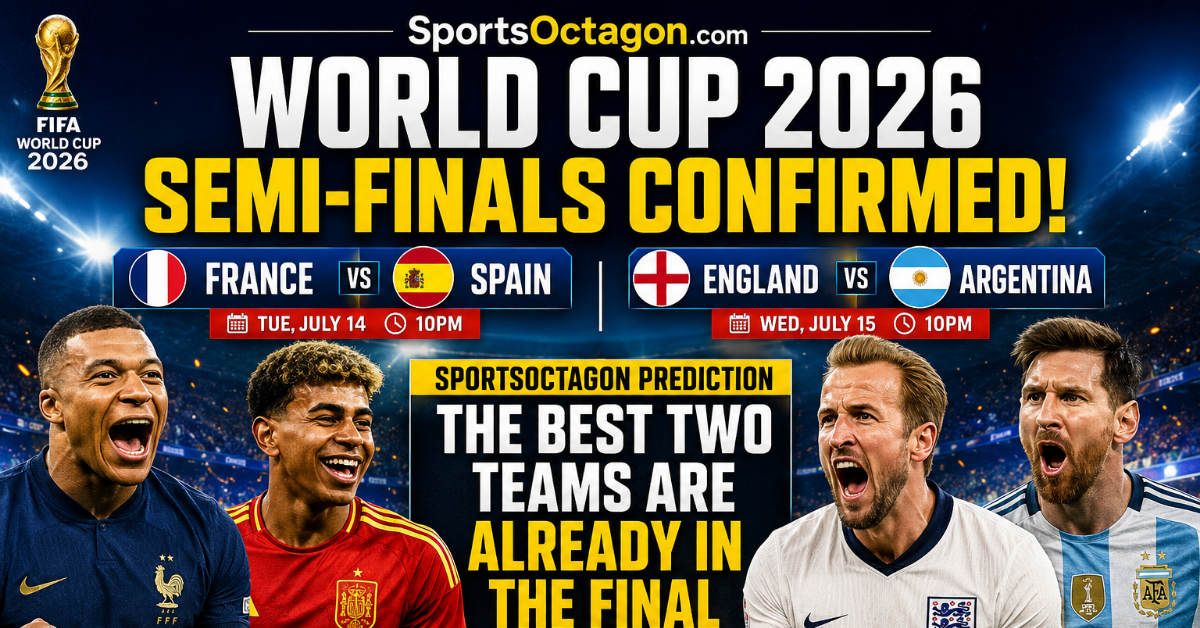
Mourinho vs. Flick: Can Real Madrid’s Gamble Dethrone Barcelona’s Dynasty?

Every league needs a rivalry to organize itself around, and La Liga’s has rarely felt sharper than it does heading into 2026/27. On one side sits Hansi Flick’s Barcelona, chasing a fourth straight league title and playing some of the most cohesive football in Europe. On the other sits a reborn Real Madrid, betting everything on the return of José Mourinho — a manager whose entire reputation is built on doing what Barcelona are currently doing to everyone else: winning, relentlessly, by any means necessary.

This isn’t just another Clásico season. It’s a genuine philosophical collision, and the numbers heading into it tell a complicated story.

The Case for Barcelona

Start with the simple fact that Barcelona are not just winning — they’re winning at a historic clip. Their most recent title came with 94 points from 38 games, a points-per-game rate north of 2.4 that ranks among the most dominant title-winning campaigns in the competition’s modern history. That’s not a team clinging to a lead; it’s a team that has systematically pulled away from the rest of the division.

Flick’s Barcelona is built on a clear identity: positional discipline underpinning attacking fluidity, a structure that lets individually brilliant players — most notably Lamine Yamal — operate inside a system rather than around one. This summer’s business has reinforced rather than reshaped that identity. Anthony Gordon’s arrival from Newcastle adds directness and pace out wide, continuing a run of shrewd attacking additions that have kept the squad evolving without disrupting what already works.

The head-to-head record only strengthens the case. Since Flick took over, Barcelona have won six of their last seven meetings with Real Madrid across La Liga and the Spanish Super Cup, outscoring their rivals 22 goals to 11 across that stretch. For a fixture that used to swing unpredictably on a single moment of individual brilliance, that’s a strikingly one-sided run.

The one real question mark is depth. Barcelona’s squad has been assembled with a clear best XI in mind, and a season that includes a full Champions League campaign alongside the usual cup competitions tends to expose thin squads by February and March. Fatigue was a factor in stretches of last season, and it’s the most obvious lever a challenger could pull.

The Case for Real Madrid

Real Madrid’s pitch is less about continuity and more about disruption — specifically, the disruptive force of installing a manager whose entire career has been built on turning dysfunction into trophies. After the Xabi Alonso experiment ended in just 233 days and an interim spell under Álvaro Arbeloa produced a trophyless season, Madrid’s ownership went searching for the opposite of what they’d just tried: not a progressive young tactician, but a battle-tested winner with a track record of imposing order fast.

Mourinho arrives with real backing. Marc Cucurella, Ibrahima Konaté, Bernardo Silva, and Denzel Dumfries have all joined the rebuild, and club president Florentino Pérez has also pursued a marquee “Galáctico” signing reported to be worth as much as €150 million — a deliberate signal that this isn’t a rebuild on the cheap. Madrid’s hierarchy has reportedly given Mourinho more freedom over squad decisions than his immediate predecessors received, a recognition that half-measures haven’t worked.

The risk is integration. Mourinho’s sides have historically needed time to gel before they hit their stride — his first Real Madrid title, in 2011/12, came in his second season in charge, not his first. This time, there’s no guarantee patience will be in ready supply, especially with a Barcelona side that isn’t waiting around. A new manager, four-plus new starters, and a compressed pre-season is a genuinely difficult foundation to build a title challenge on, no matter how talented the individual pieces are.

There’s also a tactical question worth sitting with: does Mourinho adapt his traditionally pragmatic, control-first approach to a squad stacked with attacking talent like Vinícius Júnior, Jude Bellingham, and Kylian Mbappé, or does he ask those players to sacrifice some of their attacking freedom for defensive solidity? How that tension resolves may say more about Madrid’s season than any single result.

The Chasing Pack Isn’t Standing Still

It would be a mistake to frame this purely as a two-team race. Atlético Madrid remain a serious third force under Diego Simeone, whose sides have made a habit of punishing exactly the kind of instability Real Madrid is hoping to avoid. The addition of Morten Hjulmand in midfield adds further steel to a team that already eliminated Barcelona from both the Champions League and Copa del Rey last season — proof that Atlético are capable of beating either of Spain’s giants on a given day.

Beyond the traditional big three, Villarreal have emerged as the name to watch among the chasing pack, tipped by several outlets as the side most likely to disrupt the established order if either Madrid giant stumbles. In a league where the gap between the top three and everyone else has occasionally felt unbridgeable, a genuine fourth contender would make for a much more compelling season from top to bottom.

The Manager Matchup, Stripped Down

It’s worth separating the two coaches from their current squads for a moment, because the contrast in approach is as old as the sport itself. Flick is a systems coach in the purest sense — his teams are drilled to the point where individual moments of quality feel like they’re happening inside a machine rather than in spite of one. That’s precisely what makes Barcelona’s current run so hard to interrupt: it doesn’t depend on any single player having a career night. Take away one attacker and the shape holds; the same passing patterns and pressing triggers are still there.

Mourinho has never coached that way. His most successful teams — Porto’s Champions League winners, Chelsea’s back-to-back title sides, Inter’s treble winners — were built around a defensive spine that could absorb pressure and strike in transition, with individual moments of brilliance from a smaller number of key players deciding the biggest games. It’s a style that has historically thrived in knockout football and one-off occasions, which makes the two Clásico fixtures this season a genuinely fascinating proving ground: Mourinho at his best has always found a way to make the occasion feel bigger than the underlying football, forcing mistakes out of teams that are technically superior on paper.

The question is whether that approach still works against a Barcelona side this well-drilled, or whether Flick’s system is precisely the kind of opponent Mourinho’s traditional gameplan struggles against — one with no individual weak link to target and no reliance on chaos to create chances.

What Decides It

The two Clásico fixtures are already circled: the first at Camp Nou on October 25, the return leg at the Bernabéu on May 9 — late enough in the season to plausibly decide the title outright, the way it nearly did the year before.

But the more interesting battle may be the one that happens away from those two dates entirely — in how quickly Mourinho can get four-plus new signings and a rebuilt spine playing as a unit, against a Barcelona side that doesn’t need to solve any such puzzle. History suggests disruption takes time. Whether Real Madrid, Mourinho, and an impatient fanbase are willing to give it that time may end up being the defining story of the season, regardless of who’s actually top of the table when the final whistle blows in May.
José Mourinho’s Return to Real Madrid: Nostalgia, Risk, or Both?

Thirteen years after leaving under a cloud, José Mourinho is back in the Real Madrid dugout. It’s one of the most dramatic storylines heading into the 2026/27 La Liga season — not just because of who Mourinho is, but because of just how chaotic the road back to the Bernabéu has been for Real Madrid over the past twelve months.

A Turbulent Twelve Months at the Bernabéu

To understand why Mourinho is back, you have to understand the mess that preceded it. Real Madrid hired Xabi Alonso in the summer of 2025 with enormous fanfare, fresh off his historic unbeaten title-winning season at Bayer Leverkusen. It didn’t work. Alonso was dismissed in January 2026 after just 233 days in charge, with Álvaro Arbeloa — coach of Madrid’s reserve side — stepping in for the rest of a season that ultimately finished without a major trophy.

That kind of upheaval at a club used to relentless success created exactly the environment where a campaign promise could turn into a genuine managerial appointment. Club president Florentino Pérez had made bringing Mourinho back one of the centerpieces of his re-election campaign, and after winning that vote, he moved quickly. Real Madrid paid Benfica roughly €15 million in compensation to release Mourinho from his contract, and confirmed him as head coach on a deal running through June 2029.

Mourinho himself had publicly waved off the speculation months earlier, memorably telling reporters, “Don’t count on me for soap operas… I don’t watch soap operas.” The soap opera found him anyway.

The First Spell: Trophies and Turbulence

Mourinho isn’t a stranger to the Bernabéu. He managed Real Madrid from 2010 to 2013, a spell that delivered a La Liga title — famously ending Barcelona’s grip on Spanish football during the peak of the Pep Guardiola era — along with a Copa del Rey and Spanish Super Cup. It was also, by most accounts, a turbulent three years marked by dressing-room friction and a combative relationship with the Spanish press. Mourinho left in 2013, and the two sides went their separate ways for over a decade.

Since then, Mourinho’s career has taken him through Chelsea (a second spell), Manchester United, Tottenham Hotspur, Roma, Fenerbahçe, and most recently Benfica — a run that’s included real success (a Europa Conference League title with Roma, an unbeaten league run at Benfica) alongside spells that ended before he could deliver the trophies his reputation demands.

Why Real Madrid, Why Now

The appeal on both sides is fairly straightforward. Real Madrid’s ownership wanted stability, discipline, and a manager capable of managing star egos and big occasions after two chaotic managerial changes in quick succession. Mourinho, whatever the debates about his tactical evolution, has never lost his reputation as someone who can organize a dressing room and win knockout football.

Pérez has backed the appointment financially, pledging the signings of Ibrahima Konaté and Denzel Dumfries, along with a reported €150 million pursuit of a marquee “Galáctico” addition — very much in keeping with the club’s historic approach of pairing a big managerial appointment with statement transfers.

What to Watch This Season

  • Squad man-management. Mourinho’s greatest strength has always been getting difficult dressing rooms to buy in quickly. Whether that dynamic still works with a modern Madrid squad — one used to Ancelotti’s calm and Alonso’s more progressive style — is a genuine open question.
  • Tactical identity. Mourinho’s football has always prioritized control and defensive solidity over the more expansive style Madrid fans have grown used to. Reconciling that with a squad built for possession-based football will be closely watched.
  • The Barcelona rivalry. With Barcelona chasing a fourth straight title under Hansi Flick, a Mourinho–Flick title race would add serious edge to an already heated rivalry.
  • Patience, or lack of it. After two managerial changes in two years, there’s an obvious question of how much time Mourinho actually gets if results are slow to arrive.

Mourinho built his reputation as a manager who wins immediately, wherever he goes. Real Madrid are betting that the version of Mourinho who once ended a Barcelona dynasty can do something similar again — and betting that the friction that so often accompanies his spells is a price worth paying for the trophies.

Xabi Alonso: Can Chelsea’s New Manager Turn Potential Into Trophies?

When Chelsea confirmed Xabi Alonso as their new manager on a four-year deal starting July 1, 2026, it capped off one of the more unusual managerial journeys in recent Premier League history — a coach who was, twelve months earlier, considered one of the hottest names in world football, before a brief and difficult spell at Real Madrid complicated the narrative. Now he arrives at Stamford Bridge with a point to prove and a rebuilt Chelsea squad at his disposal.

From Anfield Legend to Bernabéu Great

Alonso’s connection to English football didn’t start with this appointment. Between 2004 and 2009, he made over 200 appearances for Liverpool as a player, winning the Champions League in dramatic fashion in his very first season on Merseyside under fellow Spaniard Rafael Benítez. From there he moved to Real Madrid, adding a La Liga title and a second Champions League winner’s medal, before finishing his playing career at Bayern Munich with three consecutive Bundesliga titles. Internationally, he was part of Spain’s golden generation, winning the 2010 World Cup and back-to-back European Championships in 2008 and 2012.

It’s a résumé built almost entirely inside the game’s biggest institutions — which makes his coaching path all the more interesting, because he didn’t rush it. Alonso started in Real Madrid’s youth academy before taking charge of Real Sociedad’s reserve side, learning the trade away from the spotlight before getting his shot at senior management.

The Leverkusen Miracle

Alonso’s big break came at Bayer Leverkusen in October 2022, taking over a team sitting second-from-bottom in the Bundesliga. What followed was one of the most complete coaching transformations German football has seen in years. By his first full season in charge, Leverkusen won their first-ever Bundesliga title — and did it unbeaten across the entire domestic campaign, setting a new European record of 51 consecutive matches without defeat across all competitions. They added the DFB-Pokal for a domestic double and reached the Europa League final, narrowly missing out on an unprecedented treble.

That season put Alonso at the top of every elite club’s managerial shortlist, with reports linking him to Liverpool, Real Madrid, Bayern Munich, and even Paris Saint-Germain.

The Real Madrid Setback

Alonso ultimately chose Real Madrid, returning to the club where he’d starred as a player to replace Carlo Ancelotti in the summer of 2025. It didn’t go to plan. Despite the pedigree and the historic Leverkusen run behind him, Alonso lasted just 233 days in the Bernabéu hot seat before being dismissed in January 2026 — a reminder of how unforgiving management at that level can be, even for coaches with genuine tactical credentials. The specifics of what went wrong are debated, but questions about adapting a system that worked brilliantly in Germany to Madrid’s very different demands and squad dynamics are central to most assessments.

Why Chelsea, Why Now

After being out of work for several months, Alonso emerged as Chelsea’s leading candidate following the club’s decision to move on from Liam Rosenior. He wasn’t the only name in the conversation — Bournemouth’s Andoni Iraola and Fulham’s Marco Silva were also on Chelsea’s shortlist, with Iraola reportedly making a strong impression before ultimately joining Liverpool instead. But Chelsea moved for Alonso, handing him the title of “manager” rather than “head coach,” a deliberate signal of the trust being placed in his broader experience and leadership rather than just his tactics board.

Chelsea have backed him in the transfer market too, breaking their own club transfer record again — this time for Morgan Rogers — while adding a wave of promising young talent alongside him, continuing the club’s now-familiar strategy of recruiting for the long term.

What Alonso Brings Tactically

At Leverkusen, Alonso became known for a flexible 3-4-3 system built on positional discipline, aggressive pressing, and full-backs who tucked into midfield to create overloads — modern, possession-based football with a clear defensive structure underneath it. Whether that translates directly to Chelsea’s current squad, or whether he adapts his approach the way many feel he should have at Madrid, will be one of the most-watched tactical stories of the season.

What to Watch This Season

  • Squad fit. Chelsea’s recruitment strategy under BlueCo has prioritized young, developing talent over the past few years. Alonso inherits a talented but relatively unproven group — success will depend on his ability to develop players quickly, not just deploy the ones already at the top of their games.
  • Early results. After the brief Real Madrid spell, there will be less patience than usual for a slow start, fair or not.
  • System flexibility. Does Alonso stick rigidly to the approach that worked at Leverkusen, or does he show the tactical adaptability that some felt he lacked in Spain?

Alonso is, by most accounts, still one of the most talented young coaches in the game — the Leverkusen season remains a genuinely historic achievement. Chelsea is betting that Madrid was a bad fit rather than a warning sign. Whether that bet pays off will be one of the defining storylines of the Premier League season.

2026/27 Premier League Team Previews: Part 1 — The Contenders and the Newcomers

This is the first instalment of our club-by-club season preview series. We’re starting with the sides carrying the biggest storylines into 2026/27 — the champions defending their crown, three clubs with brand-new managers, and the three newcomers up from the Championship. More clubs will follow in Part 2.

Arsenal — Defending the Title

Manager: Mikel Arteta (unchanged)

Arsenal finally ended their wait for a league title last season, becoming champions for the first time since 2004. The core of that squad stays intact heading into the title defence, which counts for a lot — continuity is rare for a reigning Premier League champion these days.

The main summer business has been about sharpening the edges rather than a rebuild. Christos Tzolis arrives from Club Brugge to replace the departed Leandro Trossard, while Piero Hincapié has completed a permanent move to add further depth at the back.

What to watch: History says title defences are hard — no team has gone back-to-back since Manchester City’s run earlier this decade. Arsenal’s biggest test may simply be handling being the hunted rather than the hunter.

Manchester City — Life After Guardiola

Manager: Enzo Maresca (new)

The end of the Pep Guardiola era at the Etihad is arguably the single biggest story of the Premier League close season. Guardiola’s decision to step down closes out one of the most dominant managerial spells English football has ever seen.

Enzo Maresca steps in, and City have moved fast to back him, breaking the club’s transfer record for Newcastle midfielder Elliot Anderson. There’s also excitement building around teenage winger Jeremy Monga, who arrives after a breakout season at Leicester City.

What to watch: Every “post-legend” transition is a gamble, even with a talented squad. How quickly Maresca can stamp his own identity on a group so thoroughly shaped by Guardiola will be one of the season’s defining subplots.

Liverpool — Starting Over

Manager: Andoni Iraola (new)

Few reigning champions have had a rougher close season than Liverpool. Arne Slot won the title in his first year at Anfield, but a dramatic slide down the table led to his dismissal before this season even began. Liverpool moved quickly to bring in Andoni Iraola, fresh off three excellent seasons turning Bournemouth into a genuine top-half side.

Iraola is known for high-intensity, aggressive football — a departure from Slot’s more patient, possession-heavy approach, and a philosophy many Liverpool fans see as a return to the Klopp era’s identity. Complicating the rebuild further: talisman Mohamed Salah has left the club this summer.

What to watch: This is as close to a soft reset as a reigning-title-winning squad can go through. Chemistry between a new coaching philosophy and a squad built for a different system will take time — the question is how much patience Liverpool’s ownership and fanbase are willing to give it.

Chelsea — The Xabi Alonso Project

Manager: Xabi Alonso (new)

Chelsea’s revolving door of expensive young talent continues, but this summer brings a genuinely significant appointment: Xabi Alonso arrives at Stamford Bridge as one of the most in-demand young coaches in Europe. Backing him financially, Chelsea have once again broken their transfer record, this time for Morgan Rogers, while also adding a wave of promising young players.

What to watch: Alonso’s start comes with a west London derby at Fulham. Chelsea have invested heavily in recruitment over recent years without translating it into sustained title contention — Alonso’s task is turning talent depth into results.

Coventry City, Hull City & Ipswich Town — The Newcomers

All three promoted clubs face the same fundamental challenge: surviving the step up in physicality, quality, and squad depth that defines the Premier League.

Coventry City get the toughest possible opening assignment — a trip to the Emirates to face champions Arsenal on the season’s opening Friday night. As baptisms by fire go, it doesn’t get much bigger.

Hull City return to the top flight for the first time in years and open at home against Manchester United — a genuine box-office fixture for a club rebuilding its Premier League identity.

Ipswich Town host Sunderland in their own top-flight return, in what’s effectively a “who adapts faster” clash between two clubs with recent experience of Championship promotion campaigns.

What to watch: Premier League history isn’t kind to promoted trios — it’s rare for all three to survive. Early-season results will matter disproportionately for confidence, and transfer business done before the August 31 deadline could be decisive for all three.


The Complete Guide to the 2026/27 Premier League Season

The Premier League returns for its 35th season on Friday, August 21, 2026, kicking off a campaign that runs all the way through to Sunday, May 30, 2027. This guide covers everything you need to know before a ball is kicked: key dates, the promoted and relegated clubs, the managerial merry-go-round, and the biggest storylines shaping the season.

Key Dates

  • Opening weekend: Friday, August 21, 2026
  • Final matchday: Sunday, May 30, 2027 (all ten fixtures kick off simultaneously)
  • Season structure: 33 weekend rounds and five midweek rounds
  • Summer transfer window: June 15 – August 31, 2026

The season starts a week later than usual this year. The Premier League pushed the opener back specifically to give players extra recovery time after the 2026 FIFA World Cup, which ran through the early summer. That decision also builds in a longer gap before the following season’s Champions League final, scheduled for June 5, 2027.

Before the league campaign even begins, the traditional curtain-raiser — the Community Shield — pits champions Arsenal against FA Cup winners Manchester City at Cardiff’s Principality Stadium.

Who’s Up, Who’s Down

Three clubs earned promotion from the Championship and return to the top flight this season:

  • Coventry City
  • Hull City
  • Ipswich Town

They replace last season’s relegated trio:

  • Burnley
  • West Ham United
  • Wolverhampton Wanderers

Coventry’s return is especially notable given the opening-day fixture — they travel to the Emirates to face defending champions Arsenal on the season’s first Friday night.

The Champions

Arsenal enter 2026/27 as Premier League champions for the first time since 2004, ending one of the longest title droughts of any traditionally elite English club. Mikel Arteta remains in charge, and the squad is largely unchanged from the title-winning group, with Christos Tzolis brought in from Club Brugge as a like-for-like replacement for the departed Leandro Trossard, plus the permanent signing of Piero Hincapié.

A Season of New Managers

Few Premier League seasons have opened with this much change in the dugout at the league’s biggest clubs.

Liverpool head into the season under a new head coach after a turbulent title defence. Arne Slot, who won the league in his first season at Anfield, was dismissed following a poor run that saw Liverpool slide down the table. Liverpool moved quickly to appoint Andoni Iraola, who spent three impressive seasons transforming Bournemouth into a top-half, European-chasing side. Iraola is expected to bring a higher-intensity, more aggressive style back to Anfield — closer in spirit to the Jürgen Klopp era than Slot’s more possession-based approach. Liverpool also lost their talisman Mohamed Salah this summer, adding even more uncertainty to the new era.

Manchester City begin the post-Pep Guardiola era. With Guardiola stepping down after almost a decade of dominance, Enzo Maresca has taken over at the Etihad, bringing in Elliot Anderson from Newcastle in a club-record deal as an early statement of intent.

Chelsea have appointed Xabi Alonso, who takes charge at Stamford Bridge and begins his reign with a west London derby at Fulham. Chelsea have backed him financially, breaking their transfer record again for Morgan Rogers.

Newcastle United also enter the season with a new man in the dugout, adding another unpredictable variable to the race for European qualification.

Storylines to Watch

  1. Can Arsenal go back-to-back? Title defences are notoriously difficult, and Arsenal will be targeted by every side in the league now that they wear the crown.
  2. Liverpool’s reset. Losing Salah and changing managers in the same summer is a significant gamble. Whether Iraola can rebuild Liverpool’s attacking identity quickly will define their season.
  3. Manchester City after Guardiola. The end of an era at the Etihad. Maresca inherits a talented but transitioning squad and enormous expectations.
  4. Chelsea’s new project. Xabi Alonso arrives with a reputation as one of Europe’s most sought-after young coaches — and a freshly record-breaking transfer budget to prove it.
  5. Can the promoted trio survive? Coventry City, Hull City, and Ipswich Town all face the uphill task of adjusting to the Premier League’s pace and physicality.
  6. World Cup hangover. With the season starting later and squads returning from international duty at different times, early-season rotation and fatigue management will be a bigger factor than usual.

Bookmark This Page

We’ll be updating this guide throughout the season as fixtures develop, managers bed in, and the title race takes shape. For deeper dives into individual clubs, check out our season preview series, starting with the biggest storylines at Arsenal, Liverpool, Manchester City, Chelsea, and the three promoted clubs.

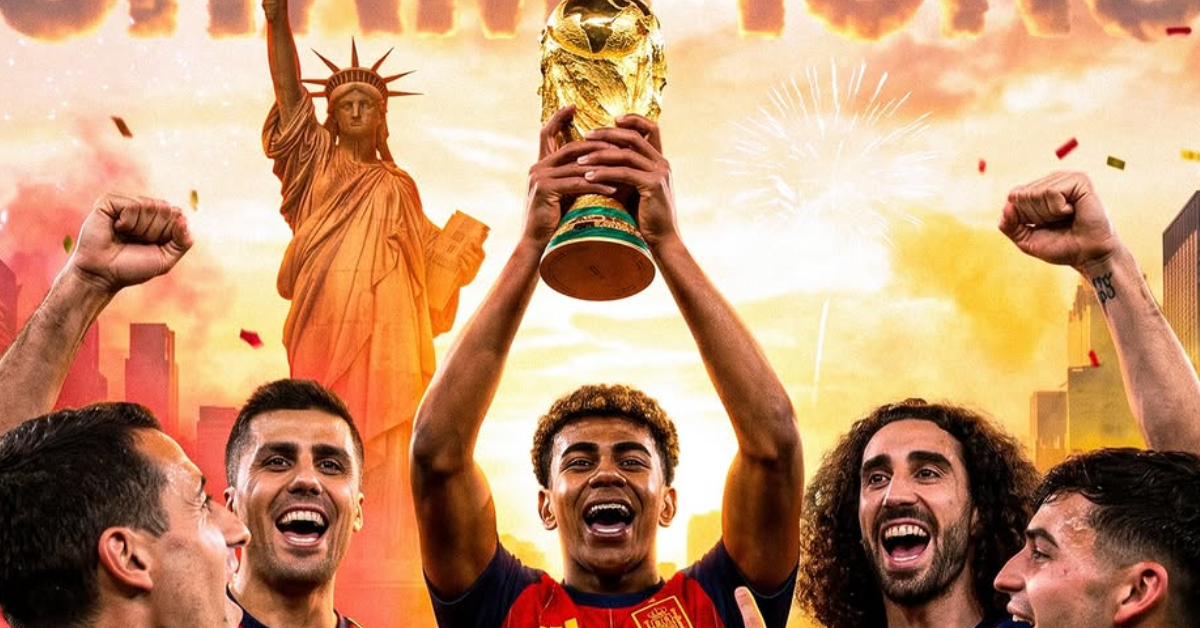
Spain Are World Champions. The Final Ended 1-0. The Statistics Say It Should Have Been Much More. Both Things Are Completely True

Spain beat Argentina 1-0 after extra time in the World Cup 2026 Final at MetLife Stadium. Ferran Torres scored in the 106th minute. Spain had 20 shots, Argentina had 2. Spain had 803 passes, Argentina had 445. Enzo Fernandez was sent off. The numbers tell a story the scoreline barely begins to capture.

Published: July 20, 2026 | Category: FIFA World Cup 2026 | Author: Hemim SK

Let us begin with the numbers. Because the numbers from the World Cup 2026 Final are the most extraordinary set of match statistics produced by any team in any World Cup Final since Opta records began. And they tell you almost everything about what happened at MetLife Stadium in New Jersey on Sunday July 19, 2026 — and almost nothing about why it took until the 106th minute to decide it.

Spain 20 shots. Argentina 2.
Spain 11 shots on target. Argentina 0.
Spain 68% possession. Argentina 32%.
Spain 803 passes at 90% accuracy. Argentina 445 at 78%.
Spain 9 corners. Argentina 4.
Spain 0 yellow cards. Argentina 5 yellow cards and 1 red card.
Spain 21 fouls. Argentina 24 fouls.
Spain 4 offsides. Argentina 1.

And the final score: Spain 1-0 Argentina after extra time.

Ferran Torres. 106th minute.

Spain are the World Cup 2026 champions.


PART ONE: WHAT THE NUMBERS SAY

Twenty shots to two. That ratio — ten times more attempts than their opponents in a World Cup Final — is not simply a dominant performance. It is the most one-sided shot count in the history of the World Cup Final going back to the first tournament data available. Germany had more shots than Argentina in the 2014 final at the Maracanã. France had more than Croatia in 2018. But not twenty to two. Not eleven on target to zero.

Eleven shots on target from Spain. Zero from Argentina.

Argentina — the defending champions, the team of Messi, of Lautaro Martinez, of Enzo Fernandez — did not produce a single shot on target across 120 minutes of the World Cup Final against Spain. Not in normal time. Not in extra time. Zero. Emiliano Martinez, Argentina’s goalkeeper — considered the best penalty stopper in the tournament and one of the best in the world — was never truly tested. He had no shots on target to stop.

The 803 passes. Spain completed 803 passes at 90% accuracy in a World Cup Final. The previous record for pass completions in a World Cup Final was set by Spain themselves in their 2010 victory over the Netherlands — 579 passes. They eclipsed their own record by 224 passes and still only won 1-0.

This is not a criticism of Spain. It is a description of what happens when the most technically gifted possession-based team in European football meets the most tactically disciplined defensive team in South American football at the peak of both nations’ organisational intelligence.


PART TWO: WHAT THE NUMBERS CANNOT SAY

Here is what the numbers cannot tell you. They cannot tell you what it felt like inside MetLife Stadium when Lamine Yamal — 18 years old, born on the day Ronaldo cried at Euro 2004, the player who assisted the goal that ended Ronaldo’s final World Cup — collected the ball for the first time in the first minute of the final and drove at Argentina’s defensive line and 82,000 people held their breath simultaneously.

They cannot tell you what Messi looked like during the eight minutes he spent on the pitch in the second half of extra time, introduced as a substitute — at 38 years old, with eight tournament goals and the Golden Boot lead and nothing more to prove to anyone — trying one final time to be the player who won Argentina the final they were not supposed to win. He did not score. He touched the ball twice. He walked off at full time and the camera found his face and whatever was on it was not for us to interpret.

They cannot tell you what Rodri’s face looked like when Ferran Torres scored in the 106th minute — the midfielder who had been the best player in the tournament across six weeks of knockout football, who had neutralised Mbappé in the semi-final and neutralised Messi in the final and produced the kind of sustained defensive excellence that wins championships invisibly.

The numbers can tell you Spain were dominant. They cannot tell you how it felt to watch Argentina — a team that had no shots on target in a World Cup Final — make Spain fight for every one of those 803 passes, every one of those 20 shots, for 106 minutes before the goal that ended it finally came.


PART THREE: FERRAN TORRES IN THE 106TH MINUTE

Ferran Torres had scored twice in Spain’s group stage campaign — an efficient, clinical contributor to a squad built around Yamal’s creativity and Rodri’s control rather than his own individual stardom. He was not the name anyone predicted as the World Cup 2026 Final goalscorer. He was not the obvious choice, not the instinctive answer to the question of who scores the goal that wins a World Cup.

But football does not ask permission before writing its most important moments. And in the 106th minute of extra time — with the match still level at 0-0, with Argentina’s ten remaining outfield players (Enzo Fernandez had been sent off in the 90+3rd minute, a moment that seemed to demand the goal would follow and then somehow did not for another sixteen minutes) protecting a goalless draw with the specific grim efficiency of a team that knows exactly how to survive — Ferran Torres was in the right place.

Yamal drove at the left side of Argentina’s penalty area — the same run, from the same position, that he had made twenty times across the previous 105 minutes without finding the final outcome. This time, the ball fell to Torres arriving at the back post.

He did not hesitate. Right foot. Low. Across Emiliano Martinez.

The net moved.

106th minute. Spain 1-0 Argentina. Ferran Torres. The World Cup Final goal that nobody predicted, scored by the player nobody had highlighted, in the minute that arrived 105 minutes after it should have.

MetLife Stadium — the same venue that had hosted Brazil vs Morocco in the group stage, that had been promised as the final destination since the tournament began, that had been pointed at by every team still standing as the endpoint of their ambition — became the loudest place in the world for exactly twelve seconds before the sound transformed from anticipation into release.


PART FOUR: ENZO FERNANDEZ AND THE RED CARD AT 90+3

The Enzo Fernandez dismissal in the 90th minute plus three deserves its own honest assessment.

Fernandez — who had scored the goal against England in the semi-final that started Argentina’s comeback, who had been their most important creative midfielder across the entire tournament — received a second yellow card for a foul on Baena in the 90+3rd minute of normal time. Argentina, already clinging to 0-0 by the extraordinary defensive discipline of a team with zero shots on target, were reduced to ten men.

The logic of what should follow seemed inevitable. Ten men. Extra time. Spain with 20 shots and 803 passes and the best attacking unit at the tournament. Spain would score within the first fifteen minutes of extra time.

They did not score for another sixteen minutes. Ten-man Argentina held Spain scoreless for sixteen minutes of extra time with no shots, no possession, and 24 total fouls — because that is what this Argentina do. That is what Scaloni has built. Not a team that wins with football but a team that survives with everything it has, holds the line until the moment of fortune or individual brilliance that tips the balance, and then — when it finally goes against them — stands in the specific dignity of a team that gave every last atom of resistance before accepting the outcome.

Argentina with ten men, in extra time, no shots on target, held Spain for sixteen minutes. It is absurd. It is also extraordinary.


PART FIVE: YAMAL, RODRI AND WHAT SPAIN HAVE BUILT

Spain won the World Cup 2026 with a team that is, by average age, the youngest side to lift the trophy since West Germany in 1954. Lamine Yamal at 18. Pau Cubarsí at 17 — the youngest player to appear in a World Cup Final in the modern era. Gavi not even in this squad because he was injured for the season. Pedri available from the bench.

This is a Spanish golden generation that is at the very beginning of what it can become. The 2026 title is the opening chapter, not the peak.

Rodri, across the entire tournament, was the best player at World Cup 2026 by the measure that matters most — the measure of how much worse the team would have been without him. Neutralised Mbappé in the semi-final. Neutralised Messi in the final. Completed more passes in the knockout stage than any other player. Won every defensive duel that mattered when it mattered.

Yamal, for all the records and the stories and the symbolism — born on Ronaldo’s first heartbreak day, assisting Ronaldo’s last World Cup elimination goal — was the creative force that made Spain’s dominance possible. Nineteen shots would not have happened without him. The defensive lines that broke under pressure to give Torres his moment in the 106th would not have broken without Yamal having driven at them 104 times before.

Spain are World Champions. They deserve to be.


PART SIX: MESSI AND THE GOLDEN BOOT

Messi did not score in the final. Mbappé’s ten goals — scored in France’s run to the semi-final and third place, with two against England on the final day — give him the Golden Boot at a tournament France did not win and where he was eliminated in the semi-final.

That specific irony — the tournament’s top scorer walking away with the individual award while his team finished fourth — is one of football’s recurring cruelties and one of its most specific pleasures simultaneously. Mbappé scored ten goals and France are fourth. Messi scored eight goals and Argentina are second. The Golden Boot went to the player who scored more goals. The World Cup went to neither of them.

Spain won. Ferran Torres scored the goal. In the 106th minute. Against a team with zero shots on target.

The numbers were correct about who was better. They were not correct about how easy it would be.

Both things, as we noted at the start, are completely true.


THE WORLD CUP 2026 — FINAL FACTS

World Cup 2026 Champions: Spain
Runners-Up: Argentina
Third Place: England
Fourth Place: France
Golden Boot: Kylian Mbappé (France) — 10 goals
World Cup Final MVP: Rodri (Spain)
Tournament’s Top Saves: Vozinha (Cape Verde) — nine saves vs Argentina
Most Memorable Goal: Ferran Torres, 106th minute, World Cup Final
Most Memorable Story: Vozinha — 14 million Instagram followers, mother who couldn’t afford the visa, nine saves against the defending champions

Tournament host: USA, Canada, Mexico
World Cup Final venue: MetLife Stadium, East Rutherford, New Jersey
Attendance: 80,663
Final score: Spain 1-0 Argentina (after extra time)
Goal: Ferran Torres 106′
Red card: Enzo Fernandez (Argentina) 90+3′


Need To Know

Who won the World Cup 2026?
Spain won the FIFA World Cup 2026, beating Argentina 1-0 after extra time in the final at MetLife Stadium in New Jersey on July 19, 2026.

Who scored the World Cup 2026 Final winning goal?
Ferran Torres scored Spain’s winning goal in the 106th minute of extra time — the decisive moment in a match Spain dominated completely by every statistical measure.

How many shots did Argentina have in the World Cup 2026 Final?
Argentina had only 2 shots in the entire World Cup 2026 Final — with zero on target across 120 minutes. Spain had 20 shots and 11 on target.

Who won the Golden Boot at World Cup 2026?
Kylian Mbappé won the Golden Boot at World Cup 2026 with 10 goals — scored for France across their run to the semi-final and third place. Lionel Messi finished on 8 goals.

Was Messi sent off in the World Cup 2026 Final?
No — Enzo Fernandez was sent off with a red card in the 90+3rd minute of normal time. Messi came on as a substitute in extra time but did not score.

Why did Enzo Fernandez get a red card in the World Cup Final?
Enzo Fernandez received a second yellow card — and therefore a red card — for a foul on Álvaro Baena in the 90+3rd minute of the World Cup 2026 Final, reducing Argentina to ten men for the entirety of extra time.

How many passes did Spain complete in the World Cup 2026 Final?
Spain completed 803 passes at 90% accuracy in the World Cup 2026 Final — a new record for pass completions in any World Cup Final, surpassing their own previous record set in the 2010 final against the Netherlands.

Is Lamine Yamal a World Cup champion at 18?
Yes — Lamine Yamal became a World Cup champion at 18 years old, making him one of the youngest World Cup winners in football history and the youngest member of Spain’s title-winning squad.


Conclusion

Spain 1-0 Argentina. After extra time. 106 minutes. Ferran Torres.

Twenty shots to two. Eleven on target to zero. Eight hundred and three passes. One red card for Argentina. Zero shots on target for the defending champions. One goal, in the 106th minute, from the player nobody predicted.

The numbers say Spain were dominant. The scoreline says they won by the smallest possible margin. The tournament says that 32 teams came to the United States, Canada and Mexico, and the one that leaves with the trophy is the youngest, most technically gifted, most possession-complete side in the world.

Spain are World Champions. Lamine Yamal is 18 years old and has a World Cup winner’s medal. Rodri was the best player at the tournament. Ferran Torres scored the goal that nobody saw coming in the minute that arrived later than everyone expected.

And somewhere in this tournament’s 39 days — from Mexico vs South Africa at the Azteca to this final at MetLife, from Vozinha’s nine saves against Messi to Messi’s eight goals that were not quite enough, from Mbappé’s ten goals to Bellingham’s 90+8th in Miami — something extraordinary happened.

The first 48-team World Cup was played. And it was magnificent.


Read next: World Cup 2026 Best XI — The Team of the Tournament

Related: Spain World Cup 2026 Schedule — La Roja’s Complete Journey to the Title
Related: Argentina World Cup 2026 Schedule — The Path to the Final
Related: World Cup 2026 — Every Result, Every Goal, Every Story

Is Spain 2026 the greatest World Cup winning team of the 21st century — and where does Yamal’s World Cup rank in the greatest individual tournament performances ever? Tell us in the comments below


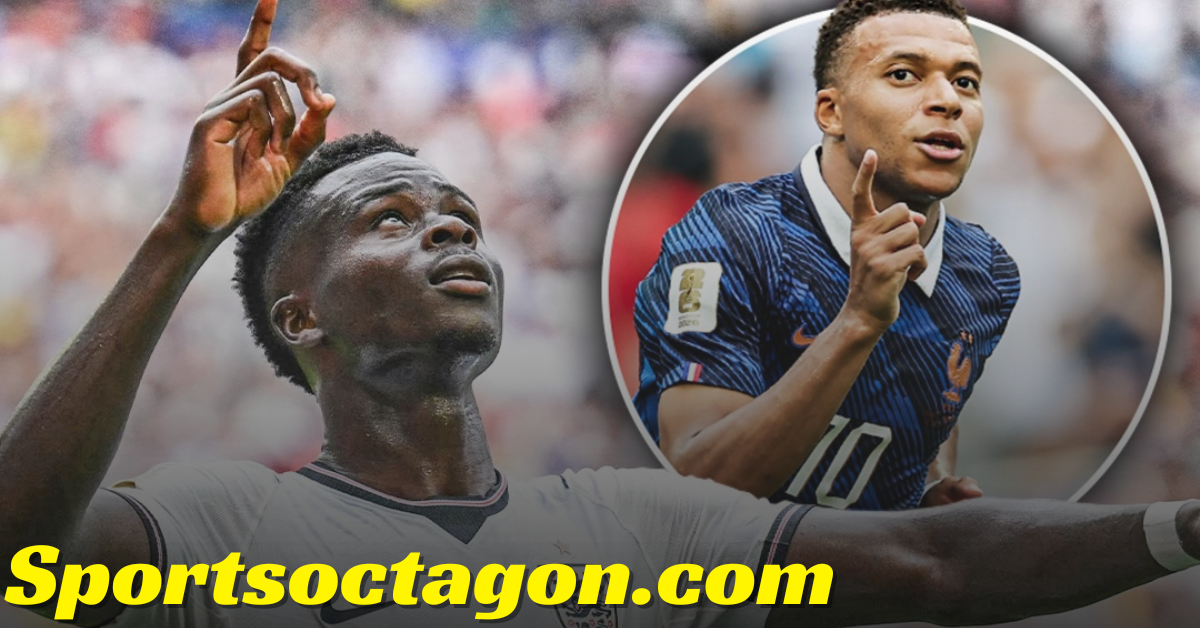
France 4-6 England: Nobody Wanted This Match — Then Saka Scored a Hat-Trick and Bellingham Won It in the 90+8th and Suddenly Nobody Wanted It to End

France vs England third place play-off final score was France 4-6 England at Miami Stadium. Bukayo Saka scored a hat-trick. Mbappe scored twice. Bellingham scored in the 90+8th minute. Dembele scored in the 90+6th. Ten goals. England finish third at a World Cup for the first time since 1966.


Published: July 19, 2026 | Category: FIFA World Cup 2026 | Author: Hemim SK

France 4-6 England.

Ten goals. Bukayo Saka’s hat-trick. Declan Rice scoring in the third minute — the same midfielder whose substitution ended England’s semi-final four days ago scoring the first goal of England’s most goals-heavy World Cup match since the modern era. Mbappé with two — because of course he did, because the Golden Boot race with Messi means every game matters now. Barcola. Dembélé in the 90+6th, still fighting for something that had already been decided. Bellingham in the 90+8th, because Bellingham always finds the last word.

Ten goals. In the match nobody wanted to play.

Here is what nobody tells you about the third place play-off. The official narrative around it is almost entirely negative. Players do not want to play it. Managers find motivation for it difficult. Fans watch it as consolation rather than ambition. It is the match that rewards losing semi-finalists with a game they did not ask for in a tournament where only the final matters.

And then sometimes — very rarely, unpredictably — the pressure is released just enough, the stakes are slightly lowered just enough, and two teams with extraordinary talent and nothing left to prove suddenly remember why they play football. They attack. They take risks. They shoot when they might normally pass and pass when they might normally hold.

France and England at Hard Rock Stadium in Miami on July 19, 2026, three hours before Spain and Argentina contested the World Cup Final in New Jersey — produced the most entertaining match of the entire tournament. In the match nobody asked for. Between two teams who would both have given anything to be elsewhere. With ten goals and a Saka hat-trick and Bellingham at 90+8.

This is that match’s story. Told properly.


France vs England — Match Facts

Final Score: France 4-6 England
Date: Saturday July 19, 2026
Venue: Miami Stadium (Hard Rock Stadium), Miami Gardens, Florida
Third Place Play-Off — FIFA World Cup 2026

Goals:
England — D. Rice 3′
England — E. Konsa 18′
England — B. Saka 37′
England — B. Saka 45+1′
France — K. Mbappé 48′
France — B. Barcola 54′
France — K. Mbappé 66′
England — B. Saka 87′ (Penalty)
France — O. Dembélé 90+6′
England — J. Bellingham 90+8′

England finish 3rd at World Cup 2026 — their best finish since winning the tournament in 1966.
France finish 4th.
Man of the Match: Bukayo Saka (hat-trick, constant danger throughout)

Golden Boot update: Mbappé moves to 10 goals. Messi needs to match or surpass this in the final.


The First Half — England’s Most Complete 45 Minutes

Declan Rice in the third minute. Of all the ways this match could have started, Rice opening the scoring — four days after his substitution was the talking point that defined England’s semi-final defeat to Argentina — was the moment that felt like football’s specific brand of accidental justice.

Rice received a lay-off from Kane just outside France’s penalty area, took one touch to set himself and drove a low, powerful strike across Maignan into the far corner. England 1-0 France. Three minutes played. The same midfielder whose exit from the Argentina match created the space Enzo Fernandez needed to equalise was now scoring the first goal of England’s final match of the tournament.

Konsa headed a second from a Saka corner in the 18th minute — the Aston Villa defender arriving at the back post with perfect timing for his first ever England goal, at a World Cup, in the third place play-off, in Miami. Football gives these moments to people when they are least expected.

Then came Saka.

His first goal, in the 37th minute, was the kind of finish that defines his international career at its best — cutting inside from the right, shifting his weight to create space inside France’s penalty area and driving a left-footed strike low across Maignan before the goalkeeper could adjust. 3-0 England. France, who had beaten this England team’s semi-final opponents 2-0 in their own last four clash, were suddenly 3-0 down in the third place match with fifteen minutes of the half remaining.

Saka’s second arrived in first half stoppage time — a perfectly weighted through ball from Bellingham, a first touch that took Saka clear of France’s last defender, and a composed finish into the corner that made it 4-0 at the break.

Half time: England 4-0 France.

If you had offered either team this scoreline before kickoff, both would have been confused. This was not the plan. Neither team had a plan that involved 4-0. They just played.


The Second Half — France Find Themselves

Something changed at half time in France’s dressing room. Whatever Deschamps said in his final speech as France manager — this was, remember, the last match of fourteen years leading his country — it produced a response.

Mbappé scored in the 48th minute — a close-range finish after Barcola’s driving run created the initial chance. France 1-4. Barcola himself added a second in the 54th minute, France’s best player of the second half announcing himself with a direct run and a precise finish that Pickford could not reach. France 2-4. Suddenly the match had become interesting again.

Mbappé’s second, in the 66th minute, turned the scoreline to 3-4 and turned the crowd — which had been comfortably settled in an England evening — into a genuinely anxious collection of football fans wondering whether this match was about to produce the most extraordinary second-half comeback in the history of the third place play-off.

Mbappé’s brace takes his tournament total to ten goals. The same total as Messi heading into the final, played hours later in New Jersey. If Messi scores in the final, the Golden Boot goes to its assists tiebreaker. If Messi does not score, Mbappé wins the Golden Boot at the tournament that eliminated him in the semi-final. Football’s capacity for irony has no ceiling.

England’s response to France’s comeback was the specific character that Tuchel has built into this squad. They did not panic. They did not retreat into defensive protection at 3-4, inviting France forward. They continued to play and press and create — and when France’s goalkeeper made contact with Saka in the penalty area in the 87th minute, the penalty decision was straightforward.

Saka stepped up for England’s penalty. He had scored twice already. He placed it low to the left. Maignan dived right. England 5-3. Hat-trick. Saka’s World Cup hat-trick, completed from the penalty spot in the 87th minute of the third place play-off.

Then came Dembélé. In the 90+6th. France finding their own late goal, in a match they were losing by two, still fighting, still believing, because that is what this French team does — it keeps going until the whistle and sometimes beyond.

4-5. Two minutes of added time still to go.

Bellingham at 90+8.

Because of course it was Bellingham.


Bellingham at 90+8 — The Perfect Last Line

Jude Bellingham had been England’s best player across this entire tournament. His movement, his vision, his ability to arrive in the penalty area at the moment when the ball needed someone to arrive — these qualities have been the constant across every match from the group stage through to Miami on July 19.

His goal in the 90+8th minute — collecting a loose ball inside France’s penalty area after a corner was not properly cleared, controlling it with his first touch and firing a right-footed volley across Maignan — was not a surprise to anyone who has watched England play across this tournament. It was the inevitable ending of a performance that had been about everything except the scoreline.

England 6-4 France. Final score.

Not the match either team wanted. Exactly the match the tournament needed.


What England Finishing Third Actually Means

England have finished third at a World Cup for the first time since 1966 — the year they won it at Wembley, beating West Germany 4-2 in the final. That third-place finish sixty years ago was the consolation for the host nation in the era before the format was established as it is today.

This 2026 third place finish is the real thing. Bronze medal. Podium. The best finish by an England team at a World Cup in the professional era of the sport.

For Thomas Tuchel — who took charge of England at their lowest point of recent years and built, in eighteen months, a squad that reached the World Cup semi-final and finished third — this result is a significant achievement regardless of how the semi-final ended. He leaves Miami with England’s best tournament finish since Alf Ramsey.

For Harry Kane — who scored twice in the tournament without finding the defining individual moment his career has been building toward — the third place finish provides at least the platform of a medal. Not the final. Not the winner’s ceremony. But the podium. At 34 years old, with one more major tournament potentially available to him at Euro 2028, it is not the ending he hoped for. It is not nothing, either.

For Bukayo Saka — whose hat-trick today, combined with his performances across every match of this tournament — this World Cup has confirmed him as England’s most consistent, most important and most naturally gifted forward of his generation. He is 24 years old. He has just scored a hat-trick in a World Cup play-off match and was England’s best outfield player at the tournament. The next four years are his to define.


Deschamps’ Final Match — And What It Said About His Era

Didier Deschamps managed France for 14 years. He won the World Cup in 2018. He reached the final in 2022. He reached the semi-final in 2026. He managed 121 international matches — more than any other France manager in history.

His final match in charge produced a 4-6 defeat in the third place play-off. In an attacking, free-flowing, wide-open football match that was nothing like the organised, disciplined, controlled football he had made his management identity across fourteen years.

And somehow that feels right. Football is nothing if not unpredictable at the end of every story. The final chapter does not always match the narrative of the chapters before it. Deschamps spent fourteen years building the most organised international team in European football. His last match produced ten goals.

He left Hard Rock Stadium in Miami as the most successful France manager in history. Zidane takes over next.


The Golden Boot Before the Final

With Mbappé at ten goals after today, the Golden Boot race enters the World Cup Final in the most dramatic possible circumstances. Messi also has ten goals going into Spain vs Argentina at MetLife Stadium — played hours after this match concluded.

If Messi scores in the final: Messi wins the Golden Boot if he gets more than Mbappé, or the tiebreaker goes to assists if they stay level.
If Messi does not score: Mbappé wins the Golden Boot at the tournament where he lost in the semi-final — finishing as the competition’s top scorer despite France not being in the final.

The most competitive individual scoring race at any World Cup in the modern era — which has featured Messi and Mbappé trading the lead throughout — is now resolved by the match happening simultaneously across the country.


Need To Know

What was the France vs England score in the World Cup 2026 third place play-off?
France vs England final score was France 4-6 England in the World Cup 2026 third place play-off at Miami Stadium (Hard Rock Stadium) in Miami on July 19.

Who scored for England against France?
Declan Rice (3′), Ezri Konsa (18′), Bukayo Saka (37′, 45+1′, 87′ penalty — hat-trick) and Jude Bellingham (90+8′) scored for England.

Did Bukayo Saka score a hat-trick against France?
Yes — Bukayo Saka scored a hat-trick against France in the World Cup 2026 third place play-off, with goals in the 37th, 45+1st and 87th (penalty) minutes.

Who scored for France against England?
Kylian Mbappé scored twice (48′ and 66′) and Bryan Barcola (54′) and Ousmane Dembélé (90+6′) also scored for France.

Is this England’s best World Cup finish since 1966?
Yes — England finishing third at World Cup 2026 is their best World Cup finish since winning the tournament in 1966.

How many goals did Mbappe score at World Cup 2026 in total?
Kylian Mbappé finished the 2026 World Cup with 10 goals — two scored in today’s third place play-off against England. His Golden Boot position depends on Messi’s performance in the World Cup Final.

Was this Didier Deschamps’ last match as France manager?
Yes — France 4-6 England in the third place play-off was Didier Deschamps’ final match as France manager after 14 years in charge. Zinedine Zidane has been confirmed as his successor.


Conclusion

France 4-6 England. Ten goals. Saka with three. Mbappé with two. Bellingham and Dembélé both scoring in the same minute of stoppage time from either side of the scoreline. Declan Rice opening the scoring four days after his substitution was the most discussed tactical moment of the tournament.

Nobody wanted this match. Neither team asked to be here. The third place play-off is the match football produces as consolation and almost everyone views as obligation.

And then France and England played it — without fear, without organisation, without the tactical discipline that made both teams so effective across the previous five weeks — and produced ten goals in Miami in the afternoon before the World Cup Final, and gave everyone watching a reason to be grateful that the match existed.

England finish third. Their best World Cup since 1966. Saka has a hat-trick from a World Cup play-off that nobody was supposed to care about. And somewhere in that gap between “nobody wanted this” and “nobody wanted it to end” is the specific magic of football that makes everything about this sport worth following.

Sixty years since 1966. Third place in 2026. Whatever comes next for England, they leave the 2026 World Cup having shown more than anyone expected and less than they hoped.

That is football. That is always football.


Read next: World Cup 2026 Final — Spain vs Argentina — Match Report

Related: England vs Argentina Semi-Final — The Tuchel Substitution Investigation
Related: France 0-2 Spain — Semi-Final Match Report
Related: World Cup 2026 Golden Boot Final Standings — Messi vs Mbappe


Was France 4-6 England the best match of World Cup 2026 — and does Saka’s hat-trick make him England’s greatest player of this tournament? Tell us in the comments below

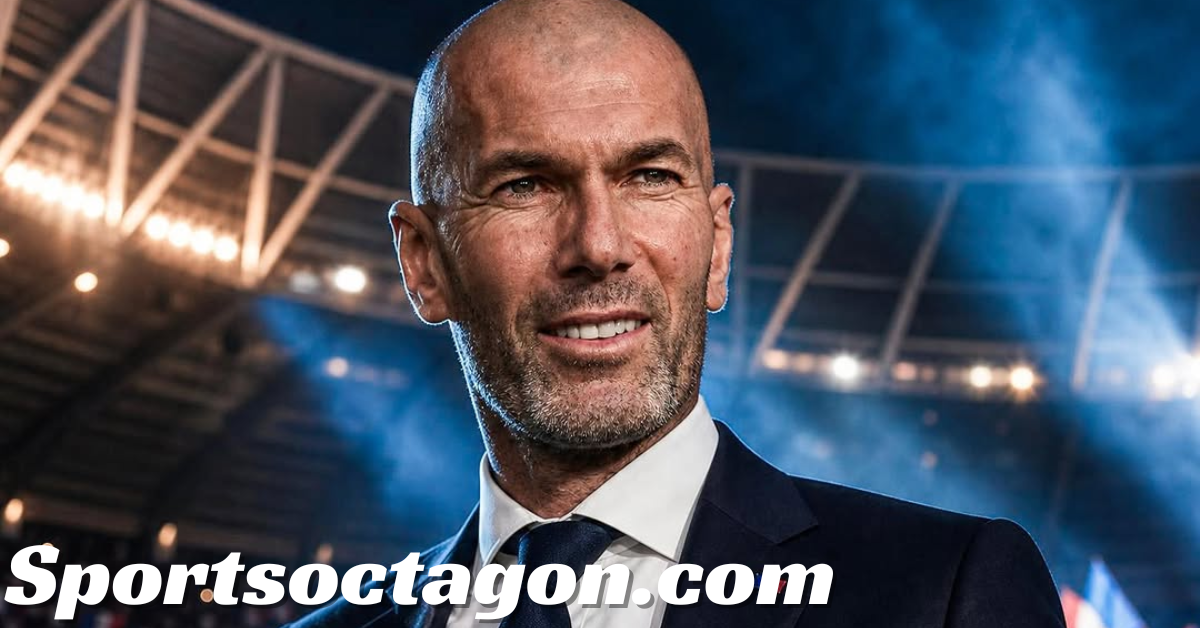
Zinedine Zidane Is the New France Manager — Here We Go: The Man Who Said No to Everyone Else Has Finally Said Yes to the Only Job He Ever Wanted

Zinedine Zidane Is the New France Manager

Zinedine Zidane is confirmed as the new France manager after Fabrizio Romano’s Here We Go. Zidane has agreed all terms and staff to succeed Didier Deschamps. The 53-year-old turned down Manchester United, PSG and multiple clubs since 2021 to wait for this one job.


Published: July 18, 2026 | Category: Football News | Author: Hemim SK

Zinedine Zidane is confirmed as the new France manager.

Fabrizio Romano‘s “Here We Go” broke it on July 17, 2026 — Zidane has agreed all terms and staff details to become the new head coach of the French national team. The formal contract will be signed in the coming days, after Didier Deschamps’ official farewell to the role he has held since 2012.

The announcement that French football has been building toward for five years is finally, officially, undeniably here.

But the news is not really about July 17, 2026. It is about what happened on every other day between May 2021 and today — every day Zinedine Zidane woke up as the most coveted unemployed manager in world football and said no to the biggest clubs and the biggest money the sport could offer, because the only thing he was waiting for was the one job that nobody else could give him.

The France shirt. His France shirt.


What Fabrizio Romano Confirmed

The Instagram post that the football world was waiting for arrived at 11pm on July 17 with the image that only means one thing in modern football — Zidane in a France suit, the French Football Federation crest on his lapel, the words “HERE WE GO” filling the bottom of the frame.

According to Romano, whose transfer reporting has been the most reliable source in football journalism for over a decade, Zidane said yes to the France project a long time ago and has been rejecting approaches from multiple clubs since December 2025 specifically to protect his availability for this appointment. The staff has already been agreed. The formal contract signature awaits only the completion of Deschamps’ official departure process after the 2026 World Cup.


View this post on Instagram


French Football Federation president Philippe Diallo, who had been carefully guarding the succession plan since early 2025, previously confirmed to Le Figaro: “Yes, I know his name.” He described the profile required for the job as someone who “commands national respect and can handle the unique pressure of the position” and noted that all applicants were French — because, as Diallo stressed, the French national team is the team of the French people, and only certain people understand what that means.

Only one person fitted every criterion without question. Only one person has been fitted for this role since the day his own playing career ended in the most dramatic and discussed moment in World Cup Final history — the headbutt against Marco Materazzi in Berlin 2006, France losing to Italy on penalties, Zidane walking off the Olympiastadion pitch for the last time as a player with the most complex possible farewell.

Twenty years later, he is coming back to the sport’s biggest stage as a manager. As the France manager.


The Five Years Nobody Could Buy

The story of how Zidane arrived at this appointment is as remarkable as the appointment itself — because it required him to do something that almost no manager in modern football does. He waited.

Zidane left Real Madrid for the second time in May 2021 having won two LaLiga titles, three consecutive Champions League titles in his first spell, and then returned to add a fourth Champions League in 2021/22 before the relationship ended. He was 48 years old. He had won more than almost any manager in history relative to his time in the job. The entire world expected him to walk straight into the next available position at the highest level.

He did not.

Manchester United approached him when Ole Gunnar Solskjaer was dismissed. Zidane said no. Paris Saint-Germain — the club that built a squad specifically around French stars and would have given him everything — made approaches at multiple points. Zidane said no. Saudi Arabian national team. No. Brazil. No. The Portugal job, after the Ronaldo era transition. No. Multiple Spanish clubs. No.

Five years of the most sought-after manager in football saying no to everything because the answer to France was always going to be yes, and he was not willing to risk the France appointment by being employed elsewhere at the wrong moment.

His own words, spoken at the Trento Sports Festival in November 2025, were the clearest possible statement of intent: “I’d like to be the head coach of the France team one day. I will surely return to coaching.” Not might. Not hoping. Surely. The certainty of a man who had already been told the answer and was simply waiting for the timing to align.

Romano confirmed that Zidane said yes to the France project “long time ago” — meaning the verbal understanding was already in place before the 2026 World Cup began, before France’s semi-final elimination against Spain, before Deschamps’ final press conference as France manager. The succession plan was complete. The only question was the paperwork.


Who Is Zinedine Zidane — For Those Who Need Reminding

Zidane is 53 years old. He was born in Marseille on June 23, 1972, to parents from Kabyle-speaking Algeria. His childhood in the Castellane neighbourhood of Marseille was not wealthy — a detail his story has never hidden, and a detail that gives his connection to France’s multicultural, diverse football culture a specific authenticity that the FFF president specifically described as important.

As a player, he won everything. The 1998 World Cup with France on home soil — scoring two headers in the final against Brazil in the match that a generation of French fans consider the greatest night in their football history. The 2000 European Championship. Three FIFA World Player of the Year awards. The Ballon d’Or in 1998. The Champions League with Real Madrid in 2002, scoring the goal against Bayer Leverkusen that is still regularly voted the greatest in Champions League Final history. Every individual honour the sport offers.

As a manager, he won three consecutive Champions League titles from 2016 to 2018 — a feat achieved by nobody else in the history of European football, including Sir Alex Ferguson, Pep Guardiola and every other manager the sport produces. He added a fourth in his second spell. Four Champions League titles as a manager. With one club. At one of the most difficult environments in world football to manage — where Galácticos, egos, press and political pressure combine in ways that consume most coaches within two years.

He left on his own terms, both times. That matters. It says something specific about Zidane as a person — that success does not change his understanding of when to leave, just as it never changed his understanding of when to join.


What Zidane Inherits — The France Squad After Deschamps

Deschamps is leaving France with one World Cup title (2018), three consecutive tournament semi-finals (2018, 2022, 2026), and a squad that is significantly younger than the side he took to Russia in 2018. Kylian Mbappé is 26 years old. Ousmane Dembélé is 29. William Saliba is 25. Theo Hernandez is 28. The generational talent that Deschamps assembled and refined across fourteen years does not disappear with his departure.

It passes to Zidane.

The immediate competitive programme includes the 2026/27 UEFA Nations League campaign and then qualification for the 2028 European Championships in the UK. The longer-term goal, which the FFF has already confirmed in general terms, is to lead France to the 2030 World Cup — to be hosted jointly by Spain, Portugal and Morocco, three nations with deep connections to France’s own football history.

Mbappé leading Zidane’s France into the 2030 World Cup. In Morocco. Against the backdrop of everything the Atlas Lions have built at consecutive World Cups. With Lamine Yamal across the pitch in a Spain side that just knocked France out of this World Cup. With England, rebuilt after their semi-final exit to Argentina. With Argentina, who may have Messi’s legacy but not Messi himself.

The 2030 World Cup, with Zidane in the France dugout, is already one of the most anticipated events in world football before a single qualification match has been played.


What This Means For French Football

France’s appointment of Zidane is not simply a managerial succession. It is a cultural statement. Zidane represents a specific vision of what French football can and should be — diverse, technically excellent, built on the academy system that has produced more world-class players per capita than almost any other nation on earth over the last thirty years.

FFF president Diallo’s criterion — a figure who “commands national respect and can handle the unique pressure of the position” — is an implicit acknowledgement that France’s national team exists at the intersection of sport and national identity in a way that few other teams in the world match. The French national team has generated political controversy, cultural pride and community celebration simultaneously across the period of its greatest success. Managing that complexity requires more than tactical intelligence.

It requires someone France recognises as its own. Not just a French passport. Not just a French surname. But someone who came from France, who carried France on his back at the 1998 World Cup on home soil, who scored two headers in the final against Brazil while 80,000 people sang his name, who made his mistakes in public and never ran from them, and who has spent five years in quiet, patient certainty that when France called, he would answer.

He has answered.


What Happens Next

Deschamps will complete his official farewell process following the 2026 World Cup. France face the third-place play-off against England on July 18 — the day after Romano’s confirmation — before the season concludes entirely. Deschamps will then be honoured by the FFF at a formal ceremony.

Zidane’s formal contract signing will follow. The announcement of his coaching staff — already agreed in principle, according to Romano — will come next. Then pre-season for the Nations League. Then the first training session. Then the first press conference as France head coach, which will be one of the most watched events in world football regardless of when it happens.

And somewhere in there, Zinedine Zidane will put on the France training kit for the first time as a manager. The same crest he wore as a player in 1998. The same colours. The same responsibility.

Five years of waiting. One job. Finally here.


Need To Know

Is Zinedine Zidane the new France manager?
Yes — Fabrizio Romano confirmed on July 17, 2026 with his signature “Here We Go” that Zinedine Zidane has agreed all terms and staff details to become the new France head coach, succeeding Didier Deschamps after the 2026 World Cup.

Why did Zidane wait so long to become France manager?
Zidane has been out of management since leaving Real Madrid in May 2021. He turned down multiple major club and international opportunities — including reported approaches from Manchester United, PSG and others — specifically to remain available for the France national team job.

When will Zidane officially sign his France contract?
According to Fabrizio Romano, Zidane will sign his formal contract in the coming days, after Didier Deschamps’ official goodbye process is completed following the 2026 World Cup.

What did Zidane win as a manager?
Zinedine Zidane won four UEFA Champions League titles as Real Madrid manager — three consecutively from 2016 to 2018 and a fourth in 2021/22. He also won one LaLiga title and multiple domestic cups during his two spells at the club.

What did Zidane win as a player with France?
Zinedine Zidane won the 1998 FIFA World Cup with France — scoring two headers in the final against Brazil — and the 2000 European Championship. He was the best player in the world during this period, winning the Ballon d’Or in 1998 and three FIFA World Player of the Year awards.

Who is Didier Deschamps and why is he leaving?
Didier Deschamps has been France’s manager since 2012 and confirmed in January 2025 that he would not extend beyond the 2026 World Cup. He led France to the 2018 World Cup title, the 2022 World Cup final and three consecutive tournament semi-finals. He is one of the most successful international managers in history.

What tournament will Zidane manage France at first?
Zidane is expected to lead France through the 2026/27 UEFA Nations League and then European Championship 2028 qualification, with the 2030 World Cup — co-hosted by Spain, Portugal and Morocco — as the headline long-term target.


Conclusion

Zinedine Zidane is the new France manager. The “Here We Go” has arrived. The five years of patience, of saying no to Manchester United, no to PSG, no to every offer that was not the France shirt — they have led here.

He will sign the contract this week. He will meet his squad in the autumn. He will stand in a France dugout, in France colours, and begin the next chapter of a story that started in 1994 when he made his international debut and has never really ended.

The man who scored two headers in the 1998 World Cup Final. The man who won three consecutive Champions League titles. The man who walked off the Berlin pitch in 2006 and has spent twenty years proving that football gives second chapters to those who wait for them.

Zidane is the France manager. Here we go.


Read next: World Cup 2026 Final Preview — Spain vs Argentina at MetLife Stadium July 19

Related: France 0-2 Spain — Semi-Final Match Report


Is Zidane the perfect appointment for France — and what would a Zidane-managed France vs Yamal’s Spain look like in 2028 or 2030? Tell us in the comments below


France vs Spain Result: Spain 2-0 France — Mbappe Silenced, Rodri Masterclass Sends Spain to the World Cup 2026 Final at MetLife Stadium

France vs Spain final score was France 0-2 Spain in the World Cup 2026 semi-final at Dallas Stadium. Mikel Oyarzabal scored from the penalty spot in the 22nd minute and Pedro Porro added a second in the 58th. France — the tournament favourites — were shut out completely. Spain face England or Argentina in the final.

Published: July 15, 2026 | Category: FIFA World Cup 2026 | Author: Hemim SK

France vs Spain result: France 0-2 Spain.

Two days ago on this site, SportsOctagon predicted France would win this semi-final 2-1. We wrote that France were the tournament’s most dominant team. We wrote that their defensive organisation would prevent the specific moments that have decided Spain’s previous matches. We said this was the match Spain’s habit of late winners would finally be insufficient.

We were wrong. Completely, honestly, unambiguously wrong. And before anything else is written about what happened at Dallas Stadium on Tuesday night, that admission needs to come first.

Spain did not win with a last-minute goal. They did not need extra time. They did not rely on refereeing decisions. They won 2-0 — a clean, comprehensive, deserved victory over the team everyone had installed as the tournament favourite — through Mikel Oyarzabal’s penalty in the 22nd minute and Pedro Porro’s superb long-range strike in the 58th. France, who had scored 16 goals coming into this match, could not find a single one in response.

Mbappé’s eight-goal tournament, his Golden Boot lead, his status as the best player in the world — none of it mattered on Tuesday night in Dallas. Rodri neutralised him so completely that the PSG captain finished the match with zero goals, zero assists and zero shots on target in the semi-final of a World Cup.

Spain are in the World Cup Final. They face England or Argentina at MetLife Stadium in New Jersey on Sunday July 19. And they deserve to be there.


France vs Spain — Match Facts

Final Score: France 0-2 Spain
Date: Tuesday July 14, 2026
Venue: Dallas Stadium (AT&T Stadium), Arlington, Texas
Semi-Final — World Cup 2026

Goals:
Spain — M. Oyarzabal 22′ (Penalty)
Spain — P. Porro 58′

Man of the Match: Rodri (defensive masterclass — Mbappé silenced for 90 minutes)

Spain advance to the World Cup 2026 Final — Sunday July 19, MetLife Stadium.
France are eliminated. Third-place play-off TBC.

France Lineup: Maignan; Koundé, Upamecano, Saliba, Digne; Tchouaméni, Rabiot; Dembélé, Olise, Barcola; Mbappé
Note: William Saliba and Lucas Digne started — injury changes from the planned lineup, with Upamecano and left-back options affected by fitness concerns confirmed in the build-up.

Spain Lineup: Unai Simón; Porro, Cubarsí, Laporte, Cucurella; Rodri, Fabián Ruiz; Yamal, Dani Olmo, Baena; Oyarzabal


How the Match Unfolded

The first 21 minutes were even — France controlling possession in the central areas they had dominated throughout the tournament, Spain organising defensively with Rodri and Fabián Ruiz sitting deep enough to deny Mbappé the specific pockets of space his movement requires.

Then Spain had a penalty.

22′ — GOAL SPAIN — MIKEL OYARZABAL (PENALTY)

The penalty came from a challenge on Álex Baena in France’s penalty area — contact from the French defender that the referee judged as a foul without significant controversy. Oyarzabal, who had scored four goals across the tournament already in pressure situations, stepped up and drove it low to the right. Maignan went left. Spain 1-0.

France needed to respond. Mbappé drove at Cubarsí and found, as he would find repeatedly across the next sixty-eight minutes, that Rodri was already positioned to cover. Dembélé’s directness from the right created the match’s first genuine danger for Spain — a crossed ball in the 33rd minute that Unai Simón did well to claim at the near post.

But France created nothing conclusive. Their pre-tournament statistics, their 16 goals, their attacking combination of Mbappé, Dembélé and Olise — none of it translated into clear chances against a Spain side that had organised specifically to prevent exactly the patterns France generate.

Half time: France 0-1 Spain. France had more possession. Spain had the goal.

58′ — GOAL SPAIN — PEDRO PORRO

The goal that ended the match as a contest arrived from the most unexpected direction. Porro — Spain’s right back, who had been disciplined defensively throughout the first half — received the ball 25 yards from goal after a France corner was cleared. He took one touch to set himself and unleashed a rising, swerving strike that beat Maignan at his near post with a combination of power and placement that the goalkeeper had no realistic chance of stopping.

Spain 2-0. Porro ran toward Spain’s fans inside AT&T Stadium with his arms spread. The French players looked at each other in a moment of collective disbelief that has not been common at this tournament for a team that had not conceded more than one goal in any previous match.

France needed two goals. In the remaining thirty-two minutes plus stoppage time, they never came close to finding even one.

Deschamps made substitutions — Doué for Barcola, Thuram for Olise. The changes brought energy but not clarity. Mbappé continued to find Rodri’s positioning anticipating his every movement. Spain’s back line — Cubarsí and Laporte exceptional — gave France’s attackers no second chances from any blocked attempt.

The final whistle confirmed France 0-2 Spain. The tournament favourites. Eliminated in the semi-final. Scoreless for 90 minutes.


The Rodri Factor — The Masterclass Nobody Expected to Define This Match

Rodri has been excellent throughout this tournament. Everyone knew that. But what Rodri did to Mbappé specifically in this semi-final — the most individually focused defensive performance by any midfielder against any forward at World Cup 2026 — deserves its own analysis.

Mbappé’s entire attacking pattern requires space between the defensive midfield line and the opposition back four. He drops slightly, receives, turns and accelerates. The space is the mechanism. Without space, his pace advantage over defenders is removed before it can be applied.

Rodri denied him that space for ninety minutes. Not by following Mbappé specifically — that would leave France’s other attacking players free — but by reading where the ball was going before it arrived, positioning his body between Mbappé’s likely receiving position and the pass that would activate him. It is the highest level of defensive midfield intelligence, applied specifically to the problem of containing the world’s best goal-scoring forward.

Mbappé finished the match with zero shots on target. In a World Cup semi-final. Against the tournament’s best defensive midfielder. It was not Mbappé’s failure. It was Rodri’s excellence. Both things are true.


Why SportsOctagon Was Wrong — The Honest Reflection

In our semi-final preview two days ago, we wrote that France’s defensive organisation would “prevent the specific moments that have decided Spain’s previous matches.” We were focused on Spain’s late-winner pattern and whether France’s defensive quality would be enough to manage a tight match until their attacking quality told.

We missed two things that Spain’s actual performance revealed.

First, Spain’s defensive system — built around Rodri’s positioning, Cubarsí’s aerial dominance and the specific compactness of a 4-2-3-1 in defensive transition — was fully equipped to neutralise Mbappé, Dembélé and Olise simultaneously. Not in isolation, not occasionally, but across the entire ninety minutes. This was not luck. It was preparation, execution and Rodri’s individual excellence applied at the exact moment the tournament demanded it.

Second, France’s injury situation — Saliba and Digne starting rather than the planned centre-back and left-back pairings, with Tchouaméni’s fitness affecting the double pivot’s dynamism — created specific vulnerabilities in France’s build-up that Baena and Yamal exploited. France did not play their best lineup in the most important match of their tournament. Spain did.

The result was deserved. The analysis that predicted otherwise — including SportsOctagon’s — was based on how France had performed, not on how Spain could stop them. That distinction matters. Football is played by both teams, and Spain’s coaching staff prepared specifically for the threat France represented. They solved it. We did not predict they would. They proved us wrong.


Porro’s Goal — The Moment Nobody Will Forget

In a semi-final defined largely by organisation and tactical discipline, Pedro Porro’s 58th-minute strike is the image people will carry from Dallas Stadium. The right back arriving onto a cleared corner 25 yards from goal. One touch. Rising drive. Top corner. The goalkeeper beaten by pace and placement simultaneously.

It is the kind of goal that changes careers. Porro — who plays his club football for Tottenham Hotspur in the Premier League — was known before this World Cup as an excellent, energetic right back rather than a goal-scoring threat. In Dallas, in the 58th minute of a World Cup semi-final, he produced the goal of his life. Spain 2-0. The match over.


Mbappé and the Golden Boot — What Happens Now

Mbappé ends his tournament with eight goals. Lionel Messi has eight goals heading into England vs Argentina. If Messi scores against England — which, as every tournament has shown, remains possible in any match he plays — the Golden Boot could be tied. If Argentina reach the final and Messi scores there too, the Golden Boot could be decided by the final on July 19.

Mbappé’s eight goals across this tournament — five against Sweden, Paraguay, Morocco across the knockouts — remain an extraordinary individual record. This is his third World Cup. He has 20 goals from 20 appearances across three tournaments, with four of those goals coming in the 2022 final alone. He is 26 years old.

His best World Cups are still ahead of him. Tuesday’s silence against Rodri is a data point, not a verdict.


Spain in the Final — Who Do They Face?

Spain face either England or Argentina in the World Cup 2026 Final on Sunday July 19 at MetLife Stadium in New Jersey.

England — who have been the tournament’s other consistently dominant team, who beat Norway 2-1 in the quarter-finals and whose defensive organisation under Tuchel has conceded the fewest goals of any team in the knockout stage.

Argentina — the defending champions, who have survived every knockout match, who have Messi on eight goals matching Mbappé’s tally, who have the specific experience of winning from behind that comes from having done exactly that three times in this tournament.

Whoever wins Wednesday’s semi-final faces a Spain side that has just beaten the team everyone said was unbeatable. That context — combined with Yamal, Rodri, Oyarzabal and Porro’s confidence flowing from Dallas — makes Spain the favourites to win the World Cup 2026 Final regardless of their opponent.


Need To Know

What was the France vs Spain final score?
France vs Spain final score was France 0-2 Spain in the World Cup 2026 semi-final at Dallas Stadium (AT&T Stadium) in Arlington, Texas on July 14. Mikel Oyarzabal scored from the penalty spot in the 22nd minute and Pedro Porro added a long-range second in the 58th minute.

Who scored for Spain against France?
Mikel Oyarzabal scored a penalty in the 22nd minute and Pedro Porro scored with a long-range strike in the 58th minute to give Spain a comprehensive 2-0 semi-final victory.

Did Mbappe score against Spain?
No — Kylian Mbappé had zero goals, zero assists and zero shots on target in the World Cup 2026 semi-final against Spain. He was comprehensively neutralised by Rodri’s positioning and Spain’s defensive organisation across 90 minutes.

Is Spain in the World Cup 2026 Final?
Yes — Spain are in the World Cup 2026 Final on Sunday July 19 at MetLife Stadium in New Jersey. They beat France 2-0 in the semi-final after previously beating Belgium in the quarter-finals and Portugal through Merino’s 90+1 minute winner in the Round of 16.

Who does Spain face in the World Cup 2026 Final?
Spain face either England or Argentina in the World Cup 2026 Final on Sunday July 19. England vs Argentina is the second semi-final on Wednesday July 15.

What was Rodri’s performance like against France?
Rodri produced what many are calling the defensive midfield performance of the tournament — completely neutralising Mbappé across 90 minutes through his positioning, anticipation and ability to read France’s attacking patterns before they developed.

How many goals has Mbappe scored at World Cup 2026?
Kylian Mbappé scored eight goals at World Cup 2026 — the same total as Lionel Messi heading into England vs Argentina. The Golden Boot will be decided by the semi-final and final.


Conclusion

France vs Spain result: France 0-2 Spain. Oyarzabal penalty. Porro’s long-range strike. Mbappé silenced by Rodri. The tournament favourites eliminated in the semi-final without scoring.

SportsOctagon predicted France would win this match. We were wrong. Spain were better, more organised and specifically prepared for the threat France represented. Rodri’s performance was the best individual defensive display of the tournament. Porro’s goal was the most unexpected and most beautiful of the semi-finals.

Spain are in the World Cup Final at MetLife Stadium on July 19.

England or Argentina await. Wednesday’s semi-final determines which story continues — Kane’s 60-year wait or Messi’s last-chapter defence of the title he won four years ago.

The World Cup is four days from its final match. It keeps getting better.


Read next: England vs Argentina — Semi-Final Preview — World Cup 2026

Related: France World Cup 2026 Schedule — Les Bleus Campaign Guide
Related: Spain World Cup 2026 Schedule — La Roja’s Complete Journey to the Final
Related: World Cup 2026 Final: Spain vs England/Argentina — MetLife Stadium July 19
Related: SportsOctagon Semi-Final Predictions — What We Got Right and Wrong


Did Spain’s 2-0 win over France surprise you — and do you think Spain can win the World Cup Final against England or Argentina on July 19? Tell us in the comments below

World Cup 2026 Semi-Finals: France vs Spain and England vs Argentina — SportsOctagon’s Honest Prediction Is That the Best Two Teams Are Already in the Final

World Cup 2026 semi-finals confirmed — France vs Spain tomorrow and England vs Argentina on Wednesday. SportsOctagon’s unique prediction: France and England have dominated this tournament while Spain and Argentina have survived it. Our honest preview of both matches.

Published: July 13, 2026 | Category: FIFA World Cup 2026 | Author: Hemim SK

The World Cup 2026 semi-finals are confirmed.

France vs Spain — tomorrow, Tuesday July 14, 10pm local time.
England vs Argentina — Wednesday July 15, 10pm local time.

Four teams. Two matches. One final at MetLife Stadium on July 19. And before a ball is kicked in either semi-final, this site is going to say something that most football coverage will not.

Two of these four teams have genuinely dominated this tournament. Two of them have survived it. The difference is real, it is visible in the data and it is the most honest way to understand what is actually going to happen over the next six days.

This is the SportsOctagon semi-final preview. No false balance. No diplomatic predictions. The truth about how each of these four teams got here — and who we believe walks out at MetLife Stadium on July 19 to lift the trophy.


HOW EACH TEAM GOT HERE — THE HONEST ASSESSMENT

FRANCE: The Tournament’s Most Convincing Team

France have not simply won matches. They have controlled them.

They beat Senegal 3-1 in the group stage — conceding from a set piece, dominating everything else. They beat Norway 4-1 in the group stage — Dembélé’s hat-trick in 32 minutes against a rotated side, then Doué’s late fourth confirming the margin. They beat Sweden 1-0 in the Round of 32 — Mbappé scoring on the stroke of half time in a match they controlled from the first whistle. They beat Paraguay 1-0 in the Round of 16 — Mbappé’s penalty the decisive moment in a match where Paraguay goalkeeper Gill was extraordinary, but France’s quality was always the deciding factor. They beat Morocco 2-0 in the quarter-final — Mbappé in the 60th, Dembélé in the 66th, the match effectively settled in six minutes.

Total goals scored: 11. Total goals conceded: 3. One defeat in their last fifteen competitive international matches. Three consecutive World Cup semi-finals for the first time since Brazil across 1994-2002.

France have not needed late goals, controversial refereeing decisions, own goals or penalty shootouts to get here. They have simply been better than every opponent they have faced. Not brilliantly, not always beautifully — but convincingly. Consistently. With the specific ruthlessness of a team that knows how to win major tournaments because they have done it before.

ENGLAND: The Co-Host’s Quiet Statement

England’s path to the semi-finals has been the tournament’s most quietly impressive story. Tuchel’s side have not produced the moments that generate global headlines — no hat-tricks, no dramatic comebacks, no 90th minute winners. They have simply won their matches with the controlled, organised authority of a team that has learned from every previous tournament disappointment.

They beat Croatia 2-0 in the group stage — erasing the memory of 2018 with a dominant, composed performance. They beat Ghana 2-0. They beat Panama 3-0. They beat DR Congo 3-0 in the Round of 32 — the most one-sided knockout match of the tournament. They beat Norway 2-1 in the quarter-finals — Haaland scoring twice before England found the energy to win it. They have kept clean sheets in four of their six matches and have not conceded more than one goal in any game.

England have not been spectacular. They have been reliable. Consistent. Exactly what Gareth Southgate’s teams were criticised for and exactly what Thomas Tuchel has refined into a winning system. Harry Kane has contributed goals and leadership. Jude Bellingham has been the tournament’s best midfielder through four weeks of knockout football. Phil Foden’s creativity in tight spaces has unlocked every defence England has faced.

These are the two teams that have dominated this tournament. Their semi-finals should confirm that dominance.

SPAIN: Three Last-Minute Moments and a Very Good Squad

Let us be clear about something that is uncomfortable for neutral observers but undeniable when you look at the data. Spain have won three consecutive matches by a single goal — each time in the closing minutes or after the final whistle.

Portugal 0-1 Spain — Merino 90+1, assisted by Yamal. A goal that came after Portugal had matched Spain for 90 minutes and came agonisingly close to forcing extra time through Ronaldo’s 61st minute header.

Belgium 1-0 Spain (presumed from the current bracket) — following their quarter-final played on July 10, with the specific details yet to be fully confirmed in this article at time of writing.

The broader point is not that Spain are undeserving. They are not. Lamine Yamal is the most exciting young player at this tournament and one of the most exciting young players the sport has produced in twenty years. Rodri controls the midfield with the authority of the best defensive midfielder in the world. Oyarzabal has contributed important goals. Spain are a very good football team.

But a very good football team that wins matches in the 90th minute, that has needed Yamal’s specific brilliance to unlock opponents who have successfully contained them for 89 minutes — that team is not the same as a team that beats Morocco 3-0, eliminates Brazil with Haaland’s brace or controls France’s quarter-final from start to finish.

Spain have the talent to reach the final. They have also had the fortune of matches being decided at their most vulnerable moments for the opponents they faced. Both things can be true simultaneously.

ARGENTINA: Surviving on Instinct, Fortune and Messi

Argentina’s path to the semi-final of the World Cup 2026 is the most extraordinary collection of narrow escapes in modern World Cup history for a team that eventually reached this stage.

Group stage: hat-trick against Algeria, comfortable wins over Austria and Jordan. Fine.

Round of 32: beat Cape Verde 3-2 AFTER EXTRA TIME. A team of 600,000 people. A Cabo Verdean own goal in the 111th minute ended it. Vozinha made nine saves. The defending champions needed extra time against a nation making their World Cup debut.

Round of 16: beat Egypt 3-2. Trailed 0-2 in the 67th minute. Needed three goals in 23 minutes including a 90+3 winner. The match could easily have ended 2-1 to Egypt with a more cautious Egyptian approach in the final minutes.

Quarter-final: beat Switzerland 2-1. Switzerland, who had not conceded a single open-play goal in the knockout stage. Switzerland, who had held Colombia scoreless for 120 minutes before winning on penalties.

Argentina’s entire knockout campaign has been built on Messi’s individual quality, Scaloni’s tactical adjustments and the specific good fortune of opponents who had chances to eliminate them and did not take them.

The VAR controversy against Egypt — multiple decisions questioned, the general sense that refereeing in Argentina’s favour has been more consistent than neutral observers would expect from a South American team at a North American tournament. These are conversations happening across global football, in coaching circles and among analysts. This site will not ignore them simply because they are uncomfortable.

Argentina are in the semi-finals. Messi is extraordinary. The defending champions are dangerous. But they are not the best team at this tournament. Not by the evidence of how they have actually played.


SEMI-FINAL 1 PREVIEW — FRANCE VS SPAIN

Date: Tuesday July 14, 2026 — Tomorrow
Kickoff: 10pm local time
TV USA: Fox / FREE on Tubi
TV UK: BBC One / BBC iPlayer — free
TV France: TF1 — free to air
TV Spain: RTVE — free to air

The match the tournament has been building toward since Yamal scored the goal that ended Ronaldo’s final World Cup in the 90+1st minute. Mbappé at 26 against Yamal at 18. The best player in world football right now against the player who will be the best in the world in five years.

France’s system — built around Mbappé’s freedom to roam, Dembélé’s directness from the right and Tchouaméni’s defensive covering — will be tested by Spain’s possession control and Rodri’s ability to deny Mbappé the ball in positions he wants it.

Spain’s system — the 4-2-3-1 with Yamal cutting inside, Olmo providing central creativity and Oyarzabal leading the line — has been effective against opponents who allow them to build. France do not allow teams to build. Their pressing from the front — Mbappé, Dembélé and Doué leading it in rotation — disrupts rhythm before it develops.

This is the match where Spain’s habit of last-minute winners may not be enough. France have the defensive organisation to prevent the specific moments that have bailed Spain out. And offensively, Mbappé and Dembélé — seven and eight goals and assists combined — give France an attacking threat Spain have not faced at this level in this tournament.

SportsOctagon Prediction: France 2-1 Spain

Mbappé to score. Yamal to produce a moment of brilliance that makes the second half tense. France’s defensive solidity to protect the lead when Spain push for an equaliser. The tournament’s dominant team to reach the World Cup Final they have been building toward since 2018.


SEMI-FINAL 2 PREVIEW — ENGLAND VS ARGENTINA

Date: Wednesday July 15, 2026
Kickoff: 10pm local time
TV USA: Fox / FREE on Tubi
TV UK: ITV1 / ITVX — free
TV Argentina: TyC Sports / Telefe — free to air

This is the match where the tournament’s narrative comes to its most important moment. England — who have won three matches without conceding, whose defensive organisation under Tuchel has been the template for how to build a tournament-winning team from a well-resourced squad — against Argentina, who have Messi but have been surviving rather than controlling.

Messi has eight goals. He is the tournament’s top scorer. His individual quality remains the most dangerous element of any match he plays in. Even when Argentina have been vulnerable — and they have been — Messi’s ability to produce a decisive moment from nothing makes them dangerous in every match they play.

But England’s quarter-final win over Norway showed that Tuchel’s side can handle the best individual players in the world. Bellingham tracked Ødegaard’s movements. Kane’s work rate pressed Norway’s centre-backs into errors. The defensive shape absorbed Norway’s pressure without breaking.

Messi is better than Ødegaard. Argentina’s movement around him is more sophisticated than Norway’s. But England are a better team than any side Argentina has faced in the knockout stage of this tournament. And on a neutral assessment of how both teams have played — not their names, not their history, not Argentina’s status as defending champions — England are the better side.

The referee will be under more scrutiny in this match than any other at the tournament. Scaloni’s Argentina have benefited from close decisions across the knockout stage. Tuchel is aware of it. His players are aware of it. England’s discipline in not giving away cheap fouls in dangerous positions — one of the specific tactical instructions from their coaching staff — is directly relevant to how this match is managed.

SportsOctagon Prediction: England 2-1 Argentina

Kane to score his defining World Cup goal. Bellingham to be the best player on the pitch. Argentina to equalise through Messi — because Messi always does. England to find a winner in the second half through a set piece — the specific area where Tuchel’s squad, with their aerial quality, is most dangerous against any defence in the world.

England have been building to this moment since 1966. For once, the evidence suggests they deserve it.


THE WORLD CUP FINAL SPORTSOCTAGON PREDICTS

France vs England. July 19. MetLife Stadium, New Jersey. 10pm local time.

The two teams that have actually dominated this World Cup. The two teams that have controlled their matches rather than survived them. The two managers — Deschamps with fourteen years of international experience, Tuchel with two years of rebuilding a squad that finally has a system worthy of its talent — who have made the specific tactical decisions that turned good squads into tournament-winning machines.

France vs England would be the first ever meeting between the two nations in a World Cup Final. It would be the match that answers the question England football has been asking since 1966. And it would be, based on the evidence of everything this tournament has shown us, the most honest possible result.

The best team at this World Cup. The most improved team at this World Cup. The final football deserves.


WORLD CUP 2026 SEMI-FINAL SCHEDULE AND HOW TO WATCH

SEMI-FINAL 1
France vs Spain
Date: Tuesday July 14, 2026
Kickoff: 10pm local time
TV USA: Fox / FREE on Tubi / Telemundo
TV UK: BBC One / BBC iPlayer — free, no subscription
TV France: TF1 — free to air
TV Spain: RTVE — free to air

SEMI-FINAL 2
England vs Argentina
Date: Wednesday July 15, 2026
Kickoff: 10pm local time
TV USA: Fox / FREE on Tubi / Telemundo
TV UK: ITV1 / ITVX — free, no subscription
TV Argentina: TyC Sports / Telefe — free to air

FREE WORLDWIDE: FIFA+ at plus.fifa.com for both semi-finals


Frequently Asked Questions

What are the World Cup 2026 semi-finals?
The World Cup 2026 semi-finals are France vs Spain on Tuesday July 14 and England vs Argentina on Wednesday July 15. Both matches kick off at 10pm local time.

Who does SportsOctagon predict will win the World Cup 2026?
SportsOctagon predicts France vs England in the World Cup 2026 Final on July 19 at MetLife Stadium, based on both teams being the most consistently dominant sides across the entire tournament.

Why does SportsOctagon think Argentina have been lucky at World Cup 2026?
Argentina needed extra time to beat Cape Verde in the Round of 32 — a 111th minute own goal by Cape Verde ended that match. They trailed Egypt 0-2 in the 67th minute of the Round of 16 before scoring three goals to win. Multiple VAR and refereeing decisions in Argentina’s favour have attracted comment from neutral analysts throughout the knockout stage.

How can I watch France vs Spain for free?
In the USA: Tubi streams it completely FREE — no subscription needed. Also on Fox with cable. In the UK: BBC One and BBC iPlayer, free. In France: TF1 free to air. In Spain: RTVE free to air.

How can I watch England vs Argentina for free?
In the USA: Tubi streams it completely FREE. Also on Fox with cable. In the UK: ITV1 and ITVX, free to air. In Argentina: TyC Sports free to air.

When is the World Cup 2026 Final?
The World Cup 2026 Final is on Sunday July 19, 2026 at 10pm local time at MetLife Stadium in East Rutherford, New Jersey — the same venue that hosted Brazil vs Morocco in the group stage and where the World Cup Final has been anticipated since the tournament began.

Has England ever been in a World Cup Final?
England won the World Cup in 1966 on home soil, beating West Germany 4-2 in the final at Wembley. They have not appeared in a World Cup Final since. If England beat Argentina in the semi-final, July 19 at MetLife Stadium would be their first World Cup Final in 60 years.

Has France ever beaten Spain at a World Cup?
France and Spain have met twice at World Cups — France won the 1978 group stage match and Spain won the 2010 semi-final 1-0 through David Villa’s goal in Durban. A 2026 semi-final would be their third World Cup meeting.


Conclusion

France vs Spain. England vs Argentina. Tomorrow and Wednesday. The four semi-finalists of the World Cup 2026.

Two teams that have dominated. Two teams that have survived. Football does not always reward the most deserving. But at MetLife Stadium on July 19, this site believes the final will be contested by the two nations that have earned their place through consistent, convincing, dominant football across four weeks of the greatest tournament in the sport’s history.

France vs England. That is the SportsOctagon prediction. That is what the evidence of this tournament suggests.

Tomorrow night, France vs Spain at 10pm will begin to confirm or deny it.

Watch free on Tubi. Watch free on BBC iPlayer. Watch free on ITV. Both semi-finals are free everywhere.

The World Cup Final is six days away.


Read next: France vs Spain — Full Time Result and Match Report — World Cup 2026 Semi-Final

Related: World Cup 2026 Final Schedule — MetLife Stadium July 19
Related: France 2-0 Morocco — France Reach Third Consecutive World Cup Semi-Final
Related: England vs Norway — Quarter-Final Match Report
Related: Argentina 3-2 Egypt — Messi’s 8th Goal


Do you agree with SportsOctagon’s prediction of France vs England in the final — and is Argentina’s path to the semi-finals the luckiest in World Cup 2026 history? Tell us in the comments below