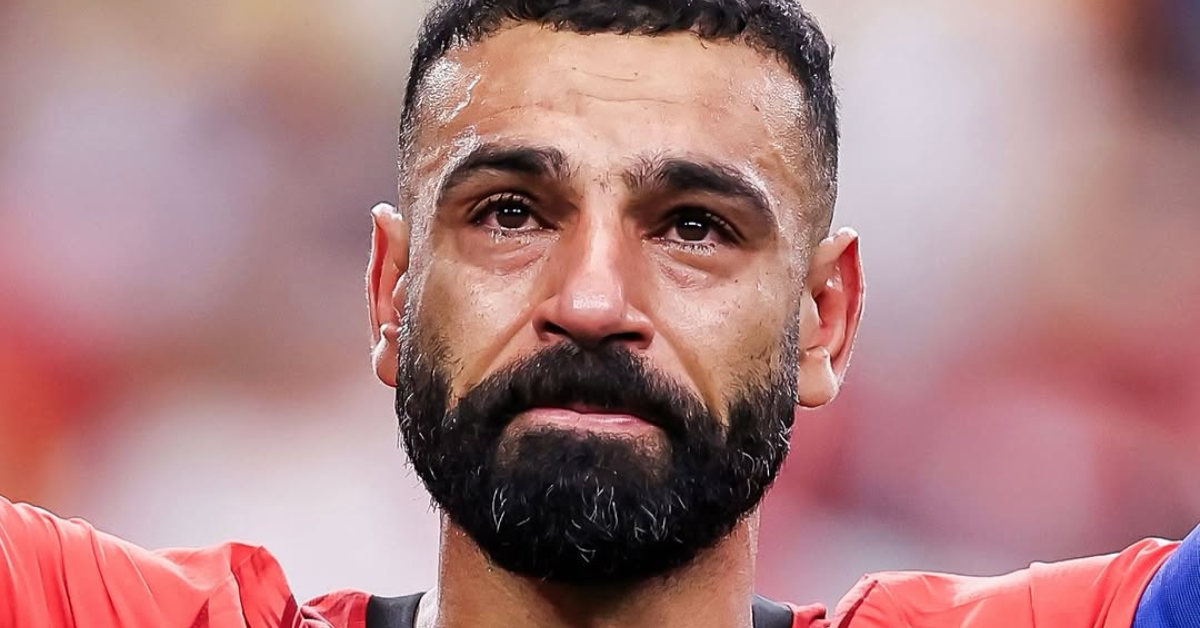
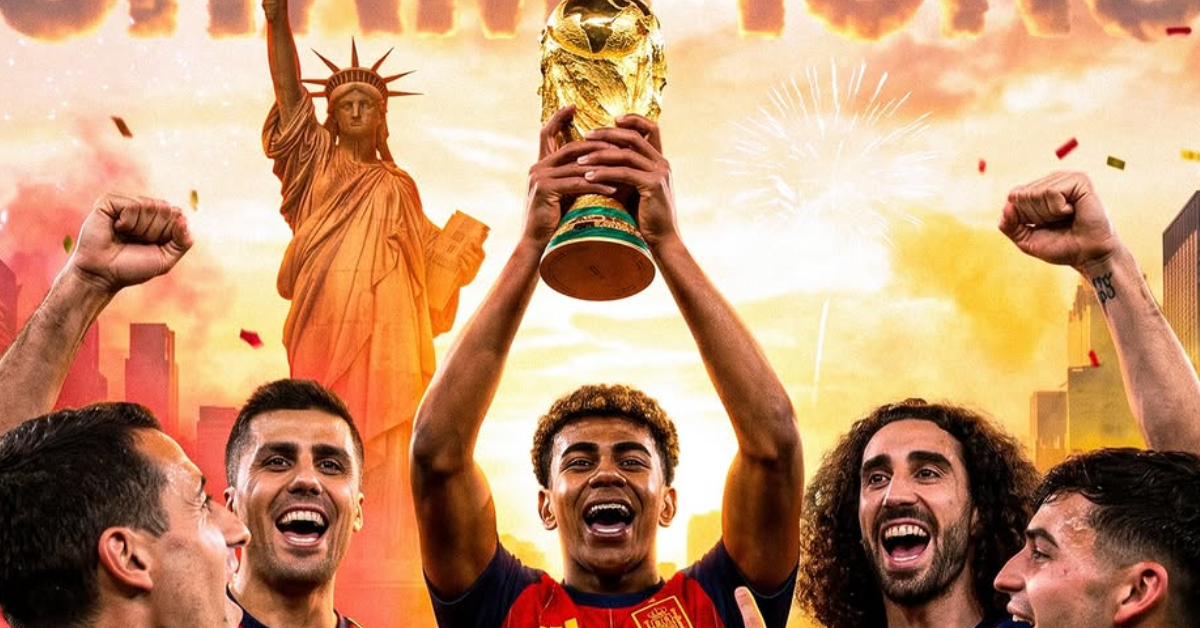
Mexico World Cup 2026 Squad: Full Official Player List, Ochoa’s Historic Sixth World Cup & El Tri Predictions

Mexico World Cup 2026 Squad: Full Official Player List, Ochoa's Historic Sixth World Cup & El Tri Predictions

Mexico have confirmed their official FIFA World Cup 2026 squad. Guillermo Ochoa heads to a historic sixth World Cup alongside Messi and Ronaldo. Full player list, key stars, tactical breakdown and predictions for the host nation.

Mexico World Cup 2026 Squad: Ochoa Makes History, Full Official Player List & El Tri Predictions
Published: June 1, 2026 | SportsOctagon Desk

History is being made before a single ball has been kicked.
Guillermo Ochoa — Mexico’s legendary goalkeeper — has been confirmed in El Tri’s official FIFA World Cup 2026 squad, making him one of only three players in the history of football to appear at six World Cups. The other two? Lionel Messi and Cristiano Ronaldo.
Let that sink in. The greatest goalkeeper Mexico has ever produced stands alongside the two greatest outfield players the sport has ever seen in achieving something no player had ever done before this summer. Three men. Three countries. Six World Cups each. It is one of the most extraordinary statistical facts in the history of the game.
But Mexico’s World Cup 2026 story is not just about Ochoa’s remarkable achievement. As one of three host nations — alongside the USA and Canada — El Tri arrive at this tournament with the most passionate home support of any team in North America, a squad packed with European-based talent, and a burning desire to finally break through the infamous Quinto Partido curse — the barrier that has kept Mexico from reaching the quarter-finals in every World Cup since 1986.
Here is the complete, in-depth breakdown of Mexico’s official World Cup 2026 squad — every player, every club, and every reason why El Tri could finally make history on home soil.

Mexico World Cup 2026 Squad: Full Official Player List, Ochoa's Historic Sixth World Cup & El Tri Predictions
Mexico World Cup 2026 Squad Via Instagram (@Sportsoctagon)

Mexico World Cup 2026 Full Official Squad List

🧤 Goalkeepers
Player Club
R. Rangel Guadalajara
C. Acevedo Santos Laguna
G. Ochoa AEL Limassol

🛡️ Defenders
Player Club
I. Reyes Club América
J. Gallardo Toluca
J. Sánchez PAOK
C. Montes Lokomotiv Moscow
J. Vázquez Genoa
M. Chávez AZ
B. Gutiérrez Chivas
O. Pineda AEK Athens
E. Álvarez Fenerbahçe
G. Mora Club Tijuana
C. Huerta Anderlecht
Á. Fidalgo Real Betis
L. Chávez Dinamo Moscow

⚙️ Midfielders
Player Club
E. Lira Cruz Azul
L. Romo Chivas
O. Vargas Atlético

⚡ Attackers
Player Club
R. Alvarado Chivas
A. Vega Toluca
J. Quiñones Al Qadsiah
S. Gimenez Milan
G. Martínez Pumas
A. González Chivas
R. Jiménez Fulham

The Historic Story: Ochoa, Messi and Ronaldo — Three Players, Six World Cups Each

Before diving into tactics and tournament predictions, this moment deserves to be properly recognised.
No player in the history of football had ever appeared at six World Cups until the summer of 2026. Then three players did it simultaneously — and the list reads like the opening line of a football fairy tale.
Guillermo Ochoa 🇲🇽 — The Mexican goalkeeper who first appeared at a World Cup in 2006 in Germany as a 21-year-old. Twenty years later, at 41, he lines up for his sixth tournament. His career has been defined by World Cup moments — none more iconic than his extraordinary performance against Brazil in 2014, when he produced save after save to hold the five-time champions to a goalless draw. Ochoa at a World Cup is not just a footballer. He is an event.
Lionel Messi 🇦🇷 — The greatest player in football history, appearing at his sixth and almost certainly final World Cup with Argentina as the defending champions. His journey from a nervous teenager in 2006 to the man who lifted the trophy in Qatar in 2022 is the greatest individual World Cup story ever told.
Cristiano Ronaldo 🇵🇹 — Portugal’s captain and all-time top scorer, also making his sixth World Cup appearance. Like Messi, this is almost certainly his last tournament — two of the greatest players who ever lived sharing the same stage for what may be the final time.
Three legends. Three nations. One tournament. One summer. Football does not get more historic than this.

Key Players for Mexico at World Cup 2026

Guillermo Ochoa — Six World Cups. One Legend.
There is nothing more to say about Guillermo Ochoa that has not already been said. At 41, he is the oldest player at this World Cup and the most experienced goalkeeper in the history of the tournament. His reflexes may no longer be what they were at 25 — but his reading of the game, his command of his area, and his ability to produce the miraculous save when Mexico need it most are qualities that do not simply disappear with age.
Mexico’s fans will roar for him every time he touches the ball. And in the moments that define knockout football — the shootout, the last-minute save, the one-on-one — Ochoa has proven more times than any other goalkeeper in Mexican history that he delivers.
Santiago Gimenez — The European Goal Machine
Santiago Gimenez is Mexico’s most dangerous and most important outfield player at this World Cup. The AC Milan striker has established himself as one of the best centre-forwards in European football — clinical, mobile, intelligent in his movement, and ruthless in front of goal.
Gimenez gives Mexico something they have rarely had at a World Cup — a genuine world-class centre-forward who can score against any defence on his best day. His club form at Milan has been outstanding, and the World Cup on home continent soil is the stage where he can announce himself to the entire world. If Mexico are to finally break through and reach a quarter-final, Gimenez’s goals will be central to that achievement.
Raúl Jiménez — The Experienced Leader Up Front
Raúl Jiménez at Fulham has reinvented himself over recent seasons after his serious injury in 2020. The experienced striker brings hold-up play, leadership, and the composure of a player who has performed at the highest level for over a decade. Alongside Gimenez, Mexico have two striker options capable of causing damage against any defence in this tournament.
Álvaro Fidalgo — The Creative Engine
Álvaro Fidalgo of Real Betis is one of the most technically gifted players in this Mexico squad. Born in Spain but representing Mexico internationally, the midfielder brings a touch of European creative quality to El Tri’s midfield — his passing, movement, and ability to find space between the lines gives Mexico a different dimension in possession.
Edson Álvarez — Steel in Midfield
Edson Álvarez at Fenerbahçe is Mexico’s most combative and important defensive midfielder. His ability to break up play, protect the defence, and use the ball efficiently gives Mexico the midfield base they need to be competitive against the world’s best teams.
Roberto Alvarado — Pace and Danger
Roberto Alvarado from Chivas brings pace, directness, and an ability to take on defenders that makes him one of Mexico’s most exciting attacking options. On his day, he is unplayable — and in a tournament where individual moments decide matches, Alvarado is the kind of player capable of producing them.

Mexico’s Tactical Setup: How El Tri Will Play

Mexico typically line up in a 4-3-3 or 4-2-3-1 system that prioritises defensive solidity and fast transitions. The structure is built around protecting Ochoa and the back four, with a midfield that works hard to win the ball and transition quickly to the attackers.
The key to Mexico’s best football is the space between the lines — Fidalgo operating as a creative number ten, feeding Gimenez and Jiménez through the middle, with Alvarado and Vega providing width and pace on the flanks.
Mexico’s biggest strength at this tournament is their home crowd. Playing in front of Mexican fans in the USA — where Mexican-American communities fill the stadiums to capacity — is the closest thing to a genuine home advantage El Tri have ever had at a World Cup. The noise, the colour, and the emotional energy of those crowds can lift this team beyond what their squad alone suggests.

The Quinto Partido Curse — Can Mexico Finally Break It?

Mexico’s World Cup history is defined by one number: five.
Since 1994, Mexico have reached the Round of 16 at every single World Cup they have participated in — and been eliminated every single time. Seven consecutive Round of 16 exits. The Quinto Partido — the fifth match, the quarter-final — has remained out of reach for 40 years.
The question that every Mexican fan asks every four years is the same: is this the year?
In 2026, the answer feels more possible than it has in decades. They are a host nation. Gimenez is world-class. The squad has genuine European quality. And the emotional weight of playing in front of Mexican fans in cities like Dallas, Los Angeles, and Houston — which have some of the largest Mexican-American communities in the United States — could provide the lift that finally gets El Tri over the line.
The curse ends when it ends. And 2026, on home soil, feels like the best chance Mexico have had to end it.
Realistic Outcome: Round of 16 guaranteed. Quarter-final the dream — and more achievable than ever.

Mexico World Cup 2026 — Further Reading on Sports Octagon
For more World Cup 2026 content, read our complete squad breakdowns of USA’s World Cup 2026 squad — Mexico’s fellow host nation — and Argentina’s World Cup 2026 squad featuring Messi, one of the three players sharing Ochoa’s historic six-World-Cup milestone. Also read our IFAB Rule Changes guide for everything new at the 2026 tournament — all at sportsoctagon.com.

Frequently Asked Questions — Mexico World Cup 2026

Q: What is Mexico’s full World Cup 2026 squad list?

Mexico’s World Cup 2026 squad is: GK — Rangel, Acevedo, Ochoa. DEF — I. Reyes, Gallardo, J. Sánchez, Montes, Vázquez, M. Chávez, Gutiérrez, Pineda, E. Álvarez, Mora, Huerta, Fidalgo, L. Chávez. MID — Lira, Romo, Vargas. ATT — Alvarado, Vega, Quiñones, S. Gimenez, G. Martínez, A. González, R. Jiménez.

Q: How many World Cups has Guillermo Ochoa played in?

Guillermo Ochoa is appearing at his sixth FIFA World Cup in 2026, making him one of only three players in history to achieve this feat alongside Lionel Messi and Cristiano Ronaldo. Ochoa’s World Cup appearances span from Germany 2006 to North America 2026 — a 20-year journey.

Q: Who are the three players going to their sixth World Cup in 2026?

The three players appearing at their sixth FIFA World Cup in 2026 are Guillermo Ochoa of Mexico, Lionel Messi of Argentina, and Cristiano Ronaldo of Portugal. No player had ever appeared at six World Cups before this summer.

Q: Is Mexico a host nation for World Cup 2026?

Yes. Mexico is one of three host nations for FIFA World Cup 2026 alongside the United States and Canada. Mexico previously hosted the World Cup in 1970 and 1986, making 2026 their third time hosting the tournament.

Q: Who is Mexico’s best player at World Cup 2026?

Santiago Gimenez of AC Milan is widely regarded as Mexico’s most dangerous and important player at World Cup 2026. The striker is one of the best centre-forwards in European football and Mexico’s greatest goal threat.

Q: Has Mexico ever reached the quarter-finals of the World Cup?

Mexico last reached the World Cup quarter-finals in 1986 when they hosted the tournament. Since 1994, Mexico have been eliminated in the Round of 16 at every World Cup they have participated in — a run known as the Quinto Partido curse. World Cup 2026 on home soil represents their best chance in decades to break it.

Q: How many times has Mexico hosted the World Cup?

Mexico has hosted the FIFA World Cup twice previously — in 1970 when Brazil won the title, and in 1986 when Argentina lifted the trophy. The 2026 tournament makes Mexico a three-time World Cup host, the only country to have hosted three times.

Q: Where will Mexico play their World Cup 2026 home games?

As a co-host nation, Mexico will play their World Cup 2026 group stage matches at the Estadio Azteca in Mexico City, Estadio BBVA in Monterrey, and Estadio Akron in Guadalajara — three of Latin America’s most iconic football venues.

Z Secures FIFA Broadcast Rights in India From 2026 to 2034 — World Cup, Women’s World Cup & More

Z Secures FIFA Broadcast Rights in India From 2026 to 2034 — World Cup, Women's World Cup & More

India to Broadcast FIFA World Cup 2026 to 2034: Z Secures Major FIFA Media Rights Deal — Full Details
Z has secured the rights to broadcast and distribute all major FIFA competitions in India from 2026 to 2034, including FIFA World Cup 2026, 2030, Women’s World Cup 2027 and more. Full details of the landmark deal.

Published: June 1, 2026 | FIFA World Cup 2026 | Sportsoctagon Desk

Football in India just got significantly bigger.
In a landmark deal that signals FIFA’s growing commitment to developing the game in one of the world’s most populous nations, broadcaster Z has been confirmed as the official partner to broadcast and distribute all major FIFA competitions in India from 2026 to 2034.
The agreement covers an extraordinary range of competitions — from the FIFA World Cup 2026 and 2030 to the FIFA Women’s World Cup, multiple youth World Cups, the FIFA Futsal World Cup, and the FIFA Intercontinental Cup. For Indian football fans, it is the most comprehensive access to global football’s biggest events that the country has ever had.
Here is everything you need to know about the deal, what it covers, and what it means for football in India.

The Full List: Every FIFA Competition Z Will Broadcast in India

                                Competition                                                                        Years Covered

  •                               FIFA World Cup                                                    2026 and 2030
  •                    FIFA Women’s World Cup                                                    2027
  •                            FIFA U-20 World Cup                                    2027, 2029, 2031 and 2033
  •                   FIFA U-20 Women’s World Cup                      2026, 2028, 2030, 2032 and 2034
  •                             FIFA U-17 World Cup                                                2026 to 2034
  •                        FIFA Women’s U-17 World Cup                                   2026 to 2034
  •                                FIFA Futsal World Cup                                           2028 and 2032
  •                       FIFA Futsal Women’s World Cup                                  2029 and 2033
  •                            FIFA Intercontinental Cup                                          2026 to 2030

That is ten separate FIFA competitions covered across an eight-year period — making this one of the most comprehensive football broadcasting deals ever agreed for the Indian market.

Why This Deal Is a Landmark Moment for Indian Football

India is the world’s most populous democracy with over 1.4 billion people. Football is the second most popular sport in the country after cricket, and interest in the game has been growing rapidly — driven by the Indian Super League, increased international coverage, and a younger generation of fans who follow European football passionately.
Until now, access to major FIFA competitions in India has been fragmented across different broadcasters with varying levels of coverage quality and accessibility. This single deal with Z changes that entirely — creating one unified home for FIFA football in India across the next eight years.
For FIFA, the deal is part of a broader strategic push to grow the game in markets where football has huge untapped potential. India represents exactly that — a nation with the passion, the population, and the infrastructure to become one of the world’s great football markets if given consistent, high-quality access to the sport’s biggest events.
For Indian football fans, the deal means that from the World Cup 2026 opening match in June all the way through to 2034, the biggest moments in global football will be available in one place.

FIFA World Cup 2026 in India — What Fans Need to Know

The immediate priority for Indian football fans is the FIFA World Cup 2026, which kicks off on June 11, 2026 across the United States, Canada, and Mexico. For the first time with this level of dedicated broadcast infrastructure, Indian audiences will be able to follow every single match of the tournament.
The 2026 World Cup is the first to feature 48 teams — meaning more matches, more nations, and more football than any previous edition. Across the group stage, round of 16, quarter-finals, semi-finals, and the final on July 19 at MetLife Stadium in New Jersey, there will be 104 matches in total.
With Z’s confirmed rights, Indian fans can expect comprehensive coverage — live matches, pre-match analysis, post-match reaction, and highlights — throughout the entire tournament.

FIFA Women’s World Cup 2027 — India Gets Full Coverage

The deal also covers the FIFA Women’s World Cup 2027, which will be held in Brazil. Women’s football in India has been growing steadily, and having full broadcast rights for the Women’s World Cup gives Z the platform to significantly expand that audience.
The Women’s World Cup 2023 in Australia and New Zealand was a global phenomenon — shattering viewership records in multiple countries and introducing millions of new fans to the women’s game. The 2027 edition in Brazil promises to be even bigger, and Indian fans will be watching.

Youth Football — The Next Generation of Indian Stars

Perhaps the most exciting long-term element of this deal for Indian football’s development is the inclusion of multiple youth World Cups — the U-20 World Cup, the U-17 World Cup, and their women’s equivalents — across the entire eight-year period.
India has hosted FIFA youth tournaments before — the FIFA U-17 World Cup came to India in 2017, igniting enormous interest in youth football across the country. Regular broadcast access to these competitions gives young Indian players role models to follow, coaches better understanding of international youth football standards, and fans a connection to the next generation of global football stars.

Futsal and the Intercontinental Cup — Broadening Football’s Reach

The inclusion of the FIFA Futsal World Cup and the FIFA Intercontinental Cup in the deal reflects FIFA’s ambition to use this partnership to grow every format of football in India — not just the 11-a-side game.
Futsal is particularly relevant in India, where space for full-sized pitches is often limited in urban areas. The sport is played widely at grassroots level and broadcast access to the Futsal World Cup could significantly raise its profile nationally.

What This Means for the Future of Football in India

This deal is about far more than broadcasting rights. It is a statement of intent — from FIFA, from Z, and from the Indian football ecosystem — that the country is ready to engage with global football at the highest level on a sustained, long-term basis.
The next eight years will cover two FIFA World Cups, the Women’s World Cup, and a full cycle of youth competitions. Every one of these events is an opportunity to grow the game, inspire young players, and build an audience that could one day support India becoming a genuine force in world football.
India qualified for their only FIFA World Cup in 1950 — and withdrew without playing a match. Over 70 years later, the dream of India competing at a World Cup remains alive. Deals like this one are part of the foundation being built to make that dream a reality.

Sports Octagon — World Cup 2026 Coverage
For complete coverage of every team heading to the 2026 World Cup, read our full squad breakdowns at sportsoctagon.com — including Argentina, Spain, Brazil, England and many more. Also read our full guide to the new IFAB rule changes for World Cup 2026.

Frequently Asked Questions — FIFA Broadcast India 2026

Q: Where can I watch the FIFA World Cup 2026 in India?

Z has secured the official rights to broadcast the FIFA World Cup 2026 in India. Indian football fans can watch all matches of the 2026 World Cup on Z’s platforms, which cover both the USA/Canada/Mexico hosted tournament beginning June 11, 2026.

Q: What FIFA competitions will Z broadcast in India?

Z will broadcast FIFA World Cup 2026 and 2030, FIFA Women’s World Cup 2027, FIFA U-20 World Cup (2027, 2029, 2031, 2033), FIFA U-20 Women’s World Cup (2026-2034), FIFA U-17 World Cup (2026-2034), FIFA Women’s U-17 World Cup (2026-2034), FIFA Futsal World Cup (2028, 2032), FIFA Futsal Women’s World Cup (2029, 2033), and FIFA Intercontinental Cup (2026-2030).

Q: How long does the Z FIFA India broadcast deal last?

The Z FIFA India broadcast deal covers the period from 2026 to 2034 — an eight-year agreement that includes two FIFA World Cups and multiple other FIFA competitions.

Q: When does the FIFA World Cup 2026 start?

The FIFA World Cup 2026 starts on June 11, 2026 and concludes with the final on July 19, 2026 at MetLife Stadium in East Rutherford, New Jersey, USA. It is the first World Cup to feature 48 teams with 104 total matches.

Q: How many matches are in FIFA World Cup 2026?

FIFA World Cup 2026 features 104 total matches — significantly more than the 64 matches at previous 32-team tournaments. The expanded format includes 12 groups of four teams in the group stage.

Q: Has India ever played in the FIFA World Cup?

India qualified for the 1950 FIFA World Cup in Brazil but withdrew before playing any matches. India has never competed in a FIFA World Cup match. The country’s football development has accelerated significantly in recent years through the Indian Super League and increased FIFA investment.

Q: What is the FIFA Women’s World Cup 2027 and where is it held?

The FIFA Women’s World Cup 2027 will be held in Brazil. It is the premier international competition for women’s national football teams and is broadcast in India as part of the Z-FIFA deal announced in 2026.

IFAB Rule Changes for World Cup 2026: Every New Law Explained — Red Cards, VAR, Five-Second Countdown & More

IFAB Rule Changes for World Cup 2026: Every New Law Explained — Red Cards, VAR, Five-Second Countdown & More

IFAB have confirmed major rule changes for FIFA World Cup 2026. From five-second countdowns on throw-ins to red cards for covering mouths, here is every new law explained and what it means for the tournament.

Published: June 1, 2026 | FIFA World Cup 2026 | SportsOctagon Desk 

The FIFA World Cup 2026 is not just bringing the biggest tournament in football history to North America — it is also bringing the most significant set of rule changes the game has seen in years.
The International Football Association Board (IFAB) — the body responsible for the laws of football — has confirmed a series of new rules that will be enforced at the 2026 World Cup. Some of these changes will affect how matches flow. Others will change how players behave during confrontations. And the expanded VAR powers could have a dramatic impact on the outcome of knockout matches.
Whether you are a fan watching from the stands, a player preparing to compete, or simply someone trying to understand what is different about the 2026 tournament — this is everything you need to know.
Here is the complete breakdown of every IFAB rule change for World Cup 2026, explained clearly and in full.

Every IFAB Rule Change for World Cup 2026 — Full List

⏱️ Rule Change 1: Five-Second Countdowns for Throw-Ins and Goal-Kicks
What is the new rule? Players taking throw-ins and goal-kicks will now have a maximum of five seconds to put the ball back into play once they are ready to do so. If they fail to take the restart within five seconds, the ball is awarded to the opposition.
Why has this been introduced? Time-wasting has been one of the most persistent and frustrating problems in football at the highest level. Teams protecting a lead routinely slow the game down by taking as long as possible over every restart — particularly throw-ins, which happen dozens of times per match. The five-second countdown rule is IFAB’s most direct attempt yet to tackle this issue and keep matches flowing.
What does it mean in practice? Expect referees to count down visibly — possibly using hand signals — and be prepared for a significant number of possession changes early in the tournament as players and teams adapt to the new timing. Teams that rely heavily on slow build-up from restarts will need to adjust their approach significantly.
Impact Level: HIGH — This will change the rhythm of matches noticeably.

🟥 Rule Change 2: Red Cards for Players Covering Their Mouths During Confrontations
What is the new rule? Any player who covers their mouth with their hand or shirt during a confrontation with a referee, opponent, or teammate will receive a red card. The rule is specifically targeting players who attempt to hide what they are saying during heated exchanges — typically abuse, threats, or discriminatory language directed at officials.
Why has this been introduced? Football has a long-standing problem with players abusing referees while concealing their words behind their hands or shirt collars to avoid lip-reading cameras. IFAB introduced this rule to give referees the authority to punish behaviour that undermines respect for officials, even when the exact words cannot be heard.
What does it mean in practice? This is one of the most controversial rule changes in the package and will almost certainly produce a high-profile red card in the early stages of the tournament. Players who are accustomed to whispering complaints to referees while covering their mouths will need to change their habits immediately. Any player caught doing so faces instant dismissal — no warning, no yellow card first.
Impact Level: VERY HIGH — Expect controversy and adjustment throughout the tournament.

🚶 Rule Change 3: Punishments for Teams Walking Off the Pitch in Protest
What is the new rule? Any team that walks off the pitch as a form of protest — against a refereeing decision, an incident of racism, or any other reason — will face formal punishment under the new rules. Teams are expected to remain on the pitch and use official channels to raise concerns.
Why has this been introduced? In recent years, teams at various levels of football have walked off the pitch to protest racist incidents in the crowd. While IFAB and FIFA support the fight against discrimination, the governing bodies want to establish a formal protocol that does not disrupt matches or set a precedent for walk-offs over refereeing decisions.
What does it mean in practice? This rule is likely to be tested at some point during the tournament, given the global nature of the event and the diverse fan bases attending. Teams will be advised to follow the official FIFA anti-racism protocol — which involves reporting to the referee and fourth official — rather than taking unilateral action.
Impact Level: MODERATE — Unlikely to affect most matches but significant when it applies.

🏥 Rule Change 4: Mandatory One-Minute Off-Field Treatment Periods
What is the new rule? When a player requires medical treatment during a match, they must now leave the field of play for a mandatory minimum of one minute before being allowed to return. The treatment must take place off the pitch — not on it.
Why has this been introduced? This rule directly targets the widespread practice of players exaggerating injuries to waste time, receive treatment on the pitch, and then immediately return to play without any real interruption to the match. The mandatory one-minute off-field period ensures that any player who genuinely needs treatment receives it properly, while simultaneously removing the incentive to fake injuries for time-wasting purposes.
What does it mean in practice? Teams will no longer be able to use feigned injuries as a tactical tool to waste time or break up opposition momentum. If a player goes down and requires the medical team to come onto the pitch, they must go off for at least one minute. This will require tactical adjustments — particularly late in matches when teams are defending a lead.
Impact Level: HIGH — This fundamentally changes the injury time-wasting dynamic in football.

📹 Rule Change 5: VAR Can Intervene for Fouls Committed Before the Ball Enters Play at Set-Pieces
What is the new rule? VAR officials will now have the power to step in and overturn or flag incidents where a foul is committed before the ball enters play at a set-piece situation — such as a corner kick or free-kick. Previously, VAR could only review incidents that occurred after the ball was in play.
Why has this been introduced? Players have long exploited the moment just before a set-piece is taken — particularly at corners — to foul, block, or illegally impede opponents before the ball is in play, knowing that VAR could not act. This loophole has been used systematically at the highest level to neutralise opponents’ set-piece routines.
What does it mean in practice? Set-piece specialists and teams that rely heavily on organised corner kick routines will need to reassess their approach entirely. If players are illegally blocking or fouling before the ball is delivered, VAR can now act. This is a significant change that could directly affect goals — particularly in a World Cup where set-pieces often decide knockout matches.
Impact Level: VERY HIGH — This could directly influence results in knockout matches.

📹 Rule Change 6: VAR Can Overturn Wrongly Awarded Second Yellow Cards and Corner Kicks
What is the new rule? VAR will now have the authority to review and overturn wrongly awarded second yellow cards and incorrectly given corner kicks. Both of these can now be corrected by the video review system if the on-field decision is clearly wrong.
Why has this been introduced? Second yellow cards leading to red cards are among the most match-defining moments in any football tournament. Wrongly awarding one — through a mistaken identity or a failure to see a clear simulation — could unfairly change the outcome of a World Cup match. Giving VAR the power to correct these decisions ensures the most serious disciplinary errors can be addressed.
Corner kick decisions, while seemingly minor, can also be significant — particularly in tight knockout matches where set-pieces are one of the primary routes to goal.
What does it mean in practice? Referees will know their second yellow card decisions are subject to VAR review, which should make them more careful before showing the card. For players, it means the safety net of an incorrect second yellow reducing their team to ten men is removed. Correct decisions will be enforced.
Impact Level: HIGH — Every second yellow card in knockout rounds will carry extra scrutiny.

Summary: All Six IFAB Rule Changes at a Glance

                 Rule Change                                                                                                                             Impact

  • Five-second countdown on throw-ins and goal-kicks                           Reduces time-wasting, changes game rhythm
  • Red card for covering mouth during confrontation                                  Protects referees, punishes hidden abuse
  • Punishment for walking off pitch in protest                            Maintains match continuity, formal protest channels required
  • Mandatory one-minute off-field treatment                                               Ends fake injury time-wasting tactic
  • VAR for pre-ball set-piece fouls                                                                   Closes long-exploited loophole at corners
  • VAR overturn of wrong second yellows and corners.                               Improves accuracy of key disciplinary decisions


What These Rule Changes Mean for World Cup 2026

Taken together, these six rule changes represent the most comprehensive attempt to clean up football’s most persistent problems in a generation. Time-wasting, referee abuse, fake injuries, and set-piece exploitation have undermined the sport at its highest level for decades.
IFAB is sending a clear message with the 2026 World Cup as the stage: the game is changing, the tolerance for gamesmanship is shrinking, and the players and teams who adapt fastest will have a significant advantage.
For fans, these changes should produce a faster, more flowing, and more honestly contested tournament. For players, the message is simple — play the game, respect the officials, and stop the theatrics.
The 2026 World Cup will be the most watched sporting event in history. IFAB wants to make sure the football itself is worthy of that audience.

Sports Octagon — Further World Cup 2026 Reading
For the full story on every team heading to North America, read our complete World Cup 2026 squad breakdowns including Argentina’s squad, Spain’s squad, Morocco’s squad, and our World Cup 2026 Top Scorers History — all at sportsoctagon.com.

Frequently Asked Questions — IFAB Rule Changes World Cup 2026

Q: What are the new IFAB rule changes for World Cup 2026?

IFAB has introduced six major rule changes for World Cup 2026: five-second countdowns for throw-ins and goal-kicks; red cards for covering mouths during confrontations; punishments for walking off in protest; mandatory one-minute off-field treatment; VAR intervention for pre-ball set-piece fouls; and VAR power to overturn wrong second yellow cards and corner kick decisions.

Q: What happens if a player covers their mouth at World Cup 2026?

Under the new IFAB rules for World Cup 2026, any player who covers their mouth during a confrontation with a referee, opponent or teammate will receive an immediate red card. There is no warning — it is a straight dismissal.

Q: What is the five-second rule at World Cup 2026?

The five-second rule means players taking throw-ins and goal-kicks must put the ball back into play within five seconds of being ready to do so. If they fail to do so, possession is awarded to the opposing team. It is designed to reduce time-wasting at restarts.

Q: Can VAR overturn a red card at World Cup 2026?

Yes. Under new IFAB rules, VAR can now review and overturn wrongly awarded second yellow cards — which result in red cards — if the original decision was clearly incorrect. This applies to cases of mistaken identity or a clear simulation by the player who won the foul.

Q: What is the one-minute treatment rule at World Cup 2026?

Under the new rules, any player who receives treatment from the medical team during a match must leave the field of play for a mandatory minimum of one minute before returning. Treatment cannot take place on the pitch. This rule is designed to stop players faking injuries to waste time.

Q: Who is IFAB and why do they make football rules?

IFAB — the International Football Association Board — is the body responsible for writing and maintaining the laws of association football. It was founded in 1886 and consists of FIFA and the four British football associations (England, Scotland, Wales, and Northern Ireland). All changes to the laws of football must be approved by IFAB.
Q: Will the five-second countdown apply to every restart at World Cup 2026? The five-second countdown specifically applies to throw-ins and goal-kicks at World Cup 2026. It does not apply to free-kicks or corner kicks, which have their own existing restart procedures.

Uruguay World Cup 2026 Squad: Every Player, Every Club — Full Official List

Uruguay World Cup 2026 Squad: Every Player, Every Club — Full Official List

Uruguay have confirmed their official FIFA World Cup 2026 squad. Get the full player list with every player, key stars including Darwin Nunez, Valverde and Ugarte, tactical breakdown, and Uruguay’s chances at World Cup 2026.

Published: June 1, 2026 | SportsOctagon Desk

Do not sleep on Uruguay.
While the football world talks about Spain, France, Argentina and Brazil, La Celeste quietly arrive at the FIFA World Cup 2026 as one of South America’s most dangerous and most underrated squads. A nation of just 3.5 million people that has produced two World Cup titles, four Copa América triumphs in recent years, and a generation of elite European-based players who compete at the very highest level every single week.
Uruguay’s official World Cup 2026 squad has been confirmed, and it is a group built on steel, quality, and a collective mentality that has made them one of the most difficult teams in the world to beat. From Darwin Núñez’s explosive pace up front to Federico Valverde’s relentless engine in midfield and Ronald Araújo’s commanding presence at the back — this is a squad that should frighten every team they face in North America.
Here is the complete, in-depth breakdown of Uruguay’s official World Cup 2026 squad — every player, every position, and every reason why La Celeste could be the tournament’s most dangerous dark horse.

Uruguay World Cup 2026 Squad Full Official List

🧤 Goalkeepers
Sergio Rochet
Fernando Muslera
Santiago Mele

🛡️ Defenders
Guillermo Varela
Ronald Araújo
José María Giménez
Santiago Bueno
Sebastián Cáceres
Mathías Olivera
Joaquín Piquerez
Matías Viña

⚙️ Midfielders
Manuel Ugarte
Emiliano Martínez
Rodrigo Bentancur
Federico Valverde
Agustín Canobbio
Juan Manuel Sanabria
Giorgian De Arrascaeta
Nicolás De La Cruz
Rodrigo Zalazar
Facundo Pellistri
Maximiliano Araújo
Brian Rodríguez

⚡ Attackers
Rodrigo Aguirre
Federico Viñas
Darwin Núñez

Uruguay World Cup 2026 Squad: Every Player, Every Club — Full Official List
Uruguay World Cup 2026 Squad Via Instagram (@sportsoctagon_)

Uruguay World Cup 2026 Squad: By the Numbers

Total Players: 26
Premier League Players: Darwin Núñez (Liverpool), Manuel Ugarte (Manchester United), Rodrigo Bentancur (Tottenham), Facundo Pellistri (Manchester United)
La Liga Players: Ronald Araújo (Barcelona), Federico Valverde (Real Madrid), De La Cruz (Barcelona)
World Cup Titles: 2 (1930 and 1950) — the fourth most successful nation in World Cup history
Biggest Strength: Defensive organisation combined with elite midfield quality

Key Players for Uruguay at World Cup 2026

Darwin Núñez — The Explosive Spearhead
Darwin Núñez is the name every opposition defence at this World Cup will fear most from Uruguay. The Liverpool striker is raw power, relentless pressing, and an ability to run in behind that makes him one of the most dangerous centre-forwards in the tournament.
At his best, Núñez is virtually unplayable. His pace is elite — among the fastest in world football. His movement off the ball is intelligent and constant. And when he is in the mood, his finishing can be clinical enough to decide matches at the highest level. The World Cup is the stage where Darwin Núñez needs to deliver consistently, and everything about his development at Liverpool suggests he is ready to do exactly that.
Uruguay’s entire attacking system is built to get Núñez in behind defences — and given the quality of the players feeding him from midfield, the chances will come. When they do, very few goalkeepers in this tournament will be able to stop him.
Federico Valverde — The Complete Midfielder
If you want to understand what makes Uruguay dangerous, start with Federico Valverde. The Real Madrid midfielder is one of the best players in European football — a box-to-box force of nature who contributes goals, assists, tackles, interceptions, and leadership in every single match he plays.
Valverde covers more ground than almost any midfielder in world football. He wins the ball, drives forward at pace, shoots from distance, and delivers the kind of big-moment performances that win knockout matches. In the 2022 World Cup he was outstanding for Uruguay despite their early elimination. In 2026, with more experience and at the peak of his powers at 28, he is capable of being one of the players of the entire tournament.
If Uruguay go deep at this World Cup — and they have every reason to — Valverde’s performances will be central to that run. He is their most complete player and their most important.
Manuel Ugarte — The Destroyer
Manuel Ugarte is one of the best defensive midfielders in world football. The Manchester United player — who built his reputation at PSG before moving to Old Trafford — is a tackle machine, a press trigger, and a player who makes everything around him better by doing the unglamorous work that wins football matches.
Ugarte’s role in Uruguay’s midfield is simple: destroy opposition attacks before they develop, win the ball back quickly, and give Valverde and De Arrascaeta the freedom to create. It sounds simple. Ugarte makes it look effortless. In reality it is one of the most physically and tactically demanding jobs in football, and he is among the best in the world at doing it.
Ronald Araújo — The Defensive Wall
Ronald Araújo is Barcelona’s most important defender and one of the best centre-backs in European football. His combination of pace, physicality, aerial dominance, and ability on the ball makes him the cornerstone of Uruguay’s defensive structure.
At this World Cup, Araújo has the chance to establish himself as the best centre-back in the tournament. His partnership alongside José María Giménez — another experienced, physically dominant defender — gives Uruguay one of the most formidable central defensive partnerships in North America. If you want to score against Uruguay, you have to get past both of them first. In 2022, almost nobody could.
Giorgian De Arrascaeta — The Creative Heartbeat
Giorgian De Arrascaeta is the player who makes Uruguay’s attack tick. The creative midfielder brings vision, technique, and an ability to unlock defences in tight spaces that provides an entirely different dimension to La Celeste’s attacking game from what Darwin Núñez’s directness offers.
De Arrascaeta’s ability to play the final pass, arrive into the box at the right moment, and deliver from set pieces makes him one of the most valuable players in this squad. When he is on form, Uruguay are a genuinely threatening attacking team. His experience and quality give Uruguay a creative option that most people who underestimate this squad fail to account for.
Rodrigo Bentancur — Leadership Through Midfield
Rodrigo Bentancur brings Premier League experience, leadership, and technical quality to Uruguay’s midfield. His ability to control tempo, press effectively, and contribute in both phases of play gives Uruguay a midfield depth that is genuinely world class. Alongside Ugarte and Valverde, Uruguay’s midfield three is one of the most balanced and physically imposing in the entire tournament.

Uruguay’s Tactical Setup: How La Celeste Will Play

Uruguay under their coaching setup typically deploy a disciplined 4-4-2 or 4-3-3 that prioritises defensive solidity as the foundation for everything else. The base is always the same — compact, hard to break down, and extremely dangerous on the counter-attack.
The midfield engine of Ugarte and Valverde — with Bentancur and De Arrascaeta completing the unit — gives Uruguay both the defensive steel to smother opposition attacks and the quality in possession to transition quickly and create chances for Núñez.
Defensively, Araújo and Giménez form a centre-back partnership that is arguably the best in South America. Full-backs Olivera and Piquerez push forward to provide width, stretching opposition defences and creating space centrally for the midfielders to exploit.
Uruguay’s biggest strength is their collective organisation — this is not a team of individuals performing for personal glory. This is a squad with a shared identity, a shared mentality, and a shared belief that was forged over decades of punching above their weight on the world stage. That mentality — the Garra Charrúa, the fighting spirit — is as much a part of their game as any individual player.

Uruguay’s World Cup 2026 Group Stage Prediction

Uruguay are one of the most dangerous teams in any group they are placed in. Their combination of defensive solidity, elite midfield quality, and the explosive attacking threat of Darwin Núñez makes them a team no opponent wants to face in the knockout rounds.
They will qualify from their group. And when the knockout rounds begin, with the pressure rising and the margins shrinking — that is when Uruguay become truly dangerous.
Realistic Outcome: Last 16 guaranteed. Quarter-finals very achievable. Semi-finals possible.

Uruguay World Cup 2026 — Further Reading on Sports Octagon
For more World Cup 2026 squad analysis, read our complete breakdowns of Argentina’s World Cup 2026 squad, Colombia’s World Cup 2026 squad, and Brazil’s World Cup 2026 squad — Uruguay’s South American rivals who they could face on the road to the final at sportsoctagon.com.

Frequently Asked Questions — Uruguay World Cup 2026

Q: What is Uruguay’s full World Cup 2026 squad list?

Uruguay’s World Cup 2026 squad is: GK — Rochet, Muslera, Mele. DEF — Varela, R. Araújo, Giménez, Bueno, Cáceres, Olivera, Piquerez, Viña. MID — Ugarte, E. Martínez, Bentancur, Valverde, Canobbio, Sanabria, De Arrascaeta, De La Cruz, Zalazar, Pellistri, M. Araújo, B. Rodríguez. ATT — Aguirre, Viñas, Darwin Núñez.

Q: Is Darwin Núñez in Uruguay’s World Cup 2026 squad?

Yes. Darwin Núñez of Liverpool is included in Uruguay’s official FIFA World Cup 2026 squad as their first-choice striker and primary attacking weapon. He is considered Uruguay’s most dangerous player at the tournament.

Q: Who is Uruguay’s best player at World Cup 2026?

Federico Valverde of Real Madrid is widely regarded as Uruguay’s most complete and important player at World Cup 2026. Darwin Núñez is their most dangerous attacker while Manuel Ugarte and Ronald Araújo are crucial in defence and midfield.

Q: How many World Cups has Uruguay won?

Uruguay have won the FIFA World Cup twice — in 1930 as the inaugural champions on home soil, and in 1950 when they famously beat Brazil in the Maracanazo at the Maracanã. They are the fourth most successful nation in World Cup history.

Q: Who is Uruguay’s goalkeeper for World Cup 2026?

Uruguay’s first-choice goalkeeper is Sergio Rochet, with the legendary Fernando Muslera included as experienced backup alongside Santiago Mele.

Q: Can Uruguay reach the semi-finals of World Cup 2026?

Yes. Uruguay have the squad quality, defensive organisation and attacking threat to reach the quarter-finals or semi-finals of World Cup 2026. Their midfield featuring Valverde, Ugarte and Bentancur is one of the best in the tournament and Darwin Núñez can score at any level.

Q: What is Uruguay’s nickname?

Uruguay’s national football team are known as La Celeste — meaning The Sky Blue — a reference to the light blue colour of their iconic national jersey.

Q: Who is the most experienced player in Uruguay’s World Cup 2026 squad?

Fernando Muslera, the veteran goalkeeper, brings the most World Cup experience to Uruguay’s squad having represented La Celeste at multiple tournaments throughout his long international career.

FIFA World Cup Top Scorers: Last Six Editions — Mbappe, Kane, James Rodriguez & Every Golden Boot Winner Ranked

FIFA World Cup Top Scorers: Every Golden Boot Winner From 2002 to 2022 — And Who Will Wins It in 2026?

Every four years, the world’s greatest footballers compete on the biggest stage the sport has to offer. And every four years, one player rises above the rest to claim the FIFA World Cup Golden Boot — the award given to the tournament’s leading scorer.
From Ronaldo’s unstoppable eight goals in 2002 to Kylian Mbappé’s extraordinary eight strikes in 2022, the history of the Golden Boot is a story of individual brilliance, legendary performances, and moments that live forever in football memory.

With the FIFA World Cup 2026 just weeks away — hosted across the United States, Canada, and Mexico — now is the perfect time to look back at every top scorer from the last six editions, understand what made each performance special, and ask the question every football fan wants answered: who will claim the Golden Boot in 2026?

Here is everything you need to know.

FIFA World Cup Top Scorers — Last Six Editions at a Glance

2022 World Cup Top Scorer: Kylian Mbappé — 8 Goals 🇫🇷
Tournament: FIFA World Cup 2022, Qatar Goals: 8 Assists: 2 Outcome: France runners-up (lost to Argentina in the final on penalties)
No player at the 2022 World Cup came close to Kylian Mbappé. Eight goals across seven matches — including a hat-trick in the final against Argentina that turned a comfortable defeat into one of the most dramatic finals in the history of the tournament.
Mbappé’s 2022 Golden Boot performance was not just statistically brilliant — it was historically significant. His eight goals matched the record set by Ronaldo in 2002, making him only the second player in the modern era to reach that total. His hat-trick in the final — the first in a World Cup final since Geoff Hurst in 1966 — announced him as the heir apparent to Messi and Ronaldo at the very top of the world game.
What makes Mbappé’s 2022 performance even more remarkable is the context. France ultimately lost. His goals were the only reason the final was competitive. Without him, Argentina win comfortably. With him, the world witnessed one of the great individual performances in tournament football history.
Goals Breakdown: 4 in group stage, 1 in Round of 16, 1 in quarter-final, 2 in semi-final and final combined — including that extraordinary three-goal comeback in the final.
Legacy: Mbappé’s 2022 campaign cemented his status as the best player on the planet after Messi. He is 25 years old heading into the 2026 World Cup. The Golden Boot defence is very much on.

2018 World Cup Top Scorer: Harry Kane — 6 Goals 🏴󠁧󠁢󠁥󠁮󠁧󠁿
Tournament: FIFA World Cup 2018, Russia Goals: 6 Assists: 0 Outcome: England semi-finalists (lost to Croatia)
Harry Kane arrived at the 2018 World Cup as one of the best strikers in European football. He left it as the tournament’s Golden Boot winner — a title that has defined his international legacy ever since.
Kane’s six goals came in typically clinical fashion. He scored twice against Tunisia in England’s opening game, a hat-trick against Panama, and added one more in the Round of 16 against Colombia. The majority came from his penalty-taking ability and his movement in the box — the hallmarks of a world-class centre-forward.
What is often forgotten about Kane’s 2018 Golden Boot is how completely the award masked what was sometimes a peripheral performance in open play. His six goals were real and vital — but the England team that reached the semi-finals was built on more than Kane alone, and his influence in the knockout rounds was more limited than the goal tally suggested.
None of that diminishes what he achieved. Six goals at a World Cup is an extraordinary return for any striker, and Kane’s 2018 campaign remains the high point of his international career.
Goals Breakdown: 2 vs Tunisia, 3 vs Panama, 1 vs Colombia (R16). None in the quarter-final or semi-final.
Legacy: Kane’s Golden Boot made him England’s most celebrated international striker of his generation. At 32 and still playing at the highest level with Bayern Munich, he is in England’s 2026 squad and will be desperate to add to his World Cup legacy.

2014 World Cup Top Scorer: James Rodríguez — 6 Goals 🇨🇴
Tournament: FIFA World Cup 2014, Brazil Goals: 6 Assists: 2 Outcome: Colombia quarter-finalists (lost to Brazil)
Of all the Golden Boot performances in this list, none captured the imagination of the football world quite like James Rodríguez in 2014. The then-22-year-old Colombian midfielder did not just score six goals — he scored six beautiful, memorable, technically extraordinary goals that made the entire world fall in love with him.
The goal of the tournament came in Colombia’s round of 16 victory over Uruguay — a first-time left-footed volley from outside the penalty area that sent the ball fizzing into the top corner before the goalkeeper had even reacted. It won the Puskás Award for goal of the year, and it remains one of the most iconic strikes in World Cup history.
James scored in every single match he played at the 2014 tournament and was directly involved in more goals than any other player in Brazil. His performances launched him from a promising talent to a global superstar overnight and led directly to his transfer to Real Madrid that summer.
What makes James’s 2014 Golden Boot particularly special is the purity of it. These were not penalties or tap-ins. They were six goals of genuine, remarkable quality from a player who was at the peak of his creative powers for three extraordinary weeks in June and July 2014.
Goals Breakdown: 1 vs Greece, 1 vs Ivory Coast, 2 vs Japan, 2 vs Uruguay (including that volley). Scored in every match.
Legacy: James’s 2014 World Cup remains the defining moment of his career and one of the great individual tournament performances in football history. Now 34 and in Colombia’s 2026 squad, can he produce one final magical chapter?

2010 World Cup Top Scorer: Thomas Müller — 5 Goals 🇩🇪
Tournament: FIFA World Cup 2010, South Africa Goals: 5 Assists: 3 Outcome: Germany third place
Thomas Müller announced himself to the world at the 2010 World Cup as a 20-year-old Bayern Munich forward with an extraordinary ability to be in the right place at exactly the right time. Five goals and three assists — eight direct goal contributions — made him the tournament’s most complete attacking performer alongside whoever claimed the Golden Ball.
Müller also won the Young Player of the Tournament award at South Africa 2010. His performances had everything that would define his career — clever movement, instinctive finishing, ability to score with both feet and his head, and that almost supernatural ability to drift into goal-scoring positions without defenders ever tracking him.
Germany’s 2010 side was one of the most exciting attacking teams of that tournament — young, fast, and devastating in transition. Müller was the spearhead of everything that was dangerous about them.
Goals Breakdown: 2 vs Australia, 2 vs England (R16), 1 vs Argentina (QF).
Legacy: Müller went on to become Germany’s all-time record World Cup scorer with 10 career goals across multiple tournaments. His 2010 performance was the foundation of a legacy that grew with every subsequent World Cup he played.

2006 World Cup Top Scorer: Miroslav Klose — 5 Goals 🇩🇪
Tournament: FIFA World Cup 2006, Germany (host nation) Goals: 5 Outcome: Germany third place
Miroslav Klose was already one of Europe’s most reliable goal scorers when he arrived at the 2006 World Cup on home soil. His five goals that tournament added to the four he had scored at 2002, beginning a remarkable World Cup scoring journey that would ultimately see him become the all-time leading scorer in World Cup history with 16 goals.
Klose’s 2006 campaign was defined by the joy of playing at home. Germany, as hosts, generated extraordinary national support, and Klose channelled that energy into powerful, direct performances through the middle of the pitch. His goals were not spectacular — they were efficient, clinical, and exactly what Germany needed at each moment.
The fact that Klose won the Golden Boot in 2006 and then went on to surpass Ronaldo as the all-time World Cup top scorer in 2014 makes his career one of the most remarkable in the history of the tournament.
Goals Breakdown: 1 vs Costa Rica, 1 vs Ecuador, 1 vs Sweden (R16), 1 vs Argentina (QF), 1 vs Portugal (3rd place).
Legacy: Klose retired as the greatest World Cup scorer in history with 16 goals. His 2006 Golden Boot was one chapter of a story that took 20 years to fully tell.

2002 World Cup Top Scorer: Ronaldo — 8 Goals 🇧🇷
Tournament: FIFA World Cup 2002, Japan & South Korea Goals: 8 Outcome: Brazil — World Champions 🏆
This is where the story begins. Ronaldo — the Brazilian striker, not Cristiano — delivered one of the greatest individual World Cup performances in the history of the tournament at the 2002 edition in Japan and South Korea. Eight goals. Brazil world champions. And a story of redemption that still makes the hairs stand on the back of your neck.
Ronaldo had been present at the 1998 World Cup final — and had played one of the most mysterious, troubling games of his career in France’s victory, having suffered a seizure or convulsive episode in the hours before kick-off. The circumstances remain controversial to this day. What is certain is that Ronaldo left that 1998 final as a broken footballer.
He came back in 2002 with everything to prove. And he proved it in the most emphatic way imaginable. Eight goals in seven matches. The decisive brace in the final against Germany — two goals, both finishing moves of pure class, both typical of the most complete striker the world had ever seen.
Ronaldo’s 2002 World Cup is not just the record — it is a story of how football can redeem, heal, and deliver the perfect ending to an unfinished story.
Goals Breakdown: 2 vs China, 1 vs Belgium (R16), 2 vs England (QF), 1 vs Turkey (SF), 2 vs Germany (Final).
Legacy: Ronaldo’s 8 goals in 2002 stood as the single-tournament record until Mbappé matched it in 2022. His total career World Cup haul of 15 goals makes him second only to Klose all-time.

Who Will Win the Golden Boot at World Cup 2026?
The 2026 World Cup is the first to feature 48 teams — meaning more games, more goals, and a higher ceiling for a top scorer to reach. The expanded format could see a Golden Boot winner with 9, 10, or even more goals for the first time in history.
Here are the top contenders:
Kylian Mbappé (France) — The defending Golden Boot holder. 25 years old. In the form of his life at Real Madrid. The overwhelming favourite. If France go deep — and they are one of the tournament’s strongest sides — Mbappé scoring 8 or more again is entirely realistic.
Lautaro Martínez (Argentina) — Clinical, powerful, and the main finishing option for the defending world champions. If Argentina go deep, Lautaro will score goals.
Harry Kane (England) — At 32, this is likely Kane’s last realistic chance to add to his World Cup legacy. England are strong favourites to go deep in this tournament. Kane in a confident England side could easily challenge for Golden Boot.
Erling Haaland (Norway) — If Norway qualify and give Haaland the service he needs, the Manchester City striker is capable of scoring at a rate no other player in world football can match.
Lionel Messi (Argentina) — At 38, Messi is not the primary goal threat he once was. But in a tournament on home continent soil, in what is likely his final World Cup, never write off the greatest player in history.
James Rodríguez (Colombia) — If James is fit and in his best form, his 2014 Golden Boot proves exactly what he is capable of at this tournament. At 34, it is a long shot — but it is not impossible.
Prediction: Kylian Mbappé to win the 2026 World Cup Golden Boot with 7-9 goals, becoming the first player in history to win back-to-back Golden Boots.

All-Time FIFA World Cup Top Scorers — Historical Context

Active players — totals may increase at World Cup 2026

Sports Octagon — Further World Cup 2026 Reading
For complete squad breakdowns of the teams whose players will be competing for the 2026 Golden Boot, read our full analysis of Argentina’s World Cup 2026 squad, France’s World Cup 2026 squad, Colombia’s World Cup 2026 squad, and England’s World Cup 2026 squad — all at sportsoctagon.com.

Frequently Asked Questions — World Cup Top Scorers

Q: Who is the top scorer at the last six World Cups?

The top scorers at the last six World Cups are: 2022 — Kylian Mbappé (France) 8 goals; 2018 — Harry Kane (England) 6 goals; 2014 — James Rodríguez (Colombia) 6 goals; 2010 — Thomas Müller (Germany) 5 goals; 2006 — Miroslav Klose (Germany) 5 goals; 2002 — Ronaldo (Brazil) 8 goals.

Q: Who has scored the most goals in a single World Cup tournament?

Kylian Mbappé (2022) and Ronaldo (2002) jointly hold the record for the most goals in a single World Cup tournament in the modern era, both scoring 8 goals. Just Fontaine holds the all-time single tournament record with 13 goals for France in 1958.

Q: Who is the all-time top scorer in World Cup history?

Miroslav Klose of Germany is the all-time World Cup top scorer with 16 goals across four tournaments (2002, 2006, 2010, 2014). Ronaldo of Brazil is second with 15 goals.

Q: Did Messi win the World Cup Golden Boot?

No. Lionel Messi has never won the World Cup Golden Boot. He won the Golden Ball (best player) at the 2022 World Cup but scored 7 goals — one fewer than Mbappé’s 8. His best Golden Boot challenge came in 2022.

Q: Who will win the Golden Boot at World Cup 2026?

Kylian Mbappé is the strong favourite to win the World Cup 2026 Golden Boot. The defending Golden Boot holder from 2022 will be 27 at the 2026 tournament and at the absolute peak of his powers with France.

Q: How many goals did Harry Kane score at the 2018 World Cup?

Harry Kane scored 6 goals at the 2018 World Cup in Russia, winning the Golden Boot. He scored twice against Tunisia, a hat-trick against Panama, and once against Colombia in the Round of 16.

Q: How many goals did James Rodriguez score at the 2014 World Cup?

James Rodríguez scored 6 goals at the 2014 World Cup in Brazil, winning the Golden Boot for Colombia. He scored in every single game he played, including a stunning volley against Uruguay that won the Puskás Award for goal of the year.

Q: What is the Golden Boot award at the World Cup?

The FIFA World Cup Golden Boot is the official award given to the leading goal scorer at each World Cup tournament. If players are tied on goals, it is decided by assists and then minutes played. It is one of the most prestigious individual awards in world football.

Final Verdict: The Golden Boot Race in 2026 Will Be Historic

The expanded 48-team format means more games, more goals, and a Golden Boot race unlike anything the sport has seen before. A player capable of scoring in every match could reach double figures for the first time in history.
Mbappé is the favourite. Kane will be desperate for one more moment of World Cup glory. And somewhere in the story — as he always is — Lionel Messi could yet write one final, extraordinary chapter in his last World Cup.
The top scorers list from the last six editions is a hall of greatness — Ronaldo, Klose, Müller, James, Kane, Mbappé. In 2026, a new name will be added. And the race to claim it will be one of the greatest storylines of the entire tournament.
The Golden Boot race starts June 2026. And it is going to be extraordinary.

Argentina World Cup 2026 Squad: Full Official 26-Man List, Messi’s Final Dance & La Albiceleste Predictions

Argentina World Cup 2026 Squad

La Albiceleste. Un Solo Corazón. Juntos Por La Gloria.
One team. One heart. Together for the glory.
Those are not just words on a graphic. For Argentina, heading into FIFA World Cup 2026 as the reigning world champions, those words carry the weight of everything — a nation’s passion, a generation’s sacrifice, and the final chapter of the greatest football story ever told.
Lionel Messi returns to the World Cup stage for what is almost certainly the last time. Around him, coach Lionel Scaloni has assembled a 26-man squad that is deeper, more balanced, and more dangerous than the group that lifted the trophy in Qatar four years ago. The defending champions are not coming to North America to make up the numbers. They are coming to make history again.
Here is the complete, in-depth breakdown of Argentina’s official World Cup 2026 squad — every player, every club, and every reason why La Albiceleste are the team that every other nation fears most.

🇦🇷 Argentina World Cup 2026 Full Official 26-Man Squad

🧤 Goalkeepers
1 Juan Musso (Atalanta)
12 Gerónimo Rulli (Marseille
23 Emiliano Martínez (Aston Villa)

🛡️ Defenders
2 Leandro Balerdi (Marseille)
3 Nicolás Tagliafico (Lyon)
4 Gonzalo Montiel (Nottingham Forest)
6 Lisandro Martínez (Manchester United)
13 Cristian Romero (Tottenham Hotspur)
19 Nicolás Otamendi (Benfica)
24 Facundo Medina (Lens)
25 Nahuel Molina (Atlético Madrid)

⚙️ Midfielders
5 Leandro Paredes (Roma)
7 Rodrigo De Paul (Inter Miami)
8 Valentín Barco (Brighton)
14 Giovani Lo Celso (Real Betis)
15 Exequiel Palacios (Bayer Leverkusen)
20 Alexis Mac Allister (Liverpool)
21 Enzo Fernández (Chelsea)

⚡ Attackers
9 Julián Álvarez (Atlético Madrid)
10 Lionel Messi (Inter Miami)
11 Nicolás González (Juventus)
16 Thiago Almada (Olympique Lyon)
17 Giuliano Simeone (Atlético Madrid)
18 Nico Paz (Como)
22 Lautaro Martínez (Inter Milan)

Head Coach: Lionel Scaloni First Match: June 16, 2026 vs Algeria — MetLife Stadium, East Rutherford, USA

Argentina World Cup 2026 Squad
Argentina World Cup 2026 Squad Via Instagram (@Sportsoctagon)

Argentina World Cup 2026 Squad: By the Numbers

Total Players: 26
Premier League Players: 4 — Mac Allister, Enzo Fernández, Lisandro Martínez, Romero
Atlético Madrid Players: 3 — De Paul, Molina, Julián Álvarez
World Cup Winners in the Squad: Multiple — core of the 2022 champions returns
Coach: Lionel Scaloni — the quiet genius who delivered Argentina’s third star

Key Players for Argentina at World Cup 2026

Lionel Messi — The Greatest. One Last Time.
There are no words adequate to describe what Lionel Messi means to this Argentina squad, to this tournament, and to the sport of football itself. The greatest player in the history of the game steps onto the World Cup stage for what is almost certainly his final time — and the world will stop to watch.
In Qatar 2022, Messi delivered the performance of a lifetime. Seven goals, three assists, and a World Cup final masterclass that ended 36 years of Argentine heartache. He was not just good — he was transcendent. He played like a man possessed, like someone who knew this was his moment and refused to let it pass.
Now 38 years old and playing his club football at Inter Miami, the physical peak may have passed. But Messi at 70 percent is still better than almost anyone else on the planet at 100 percent. His vision, his passing, his ability to find space where none exists — these are gifts that do not diminish with age in the way pace does.
The bigger question is not whether Messi can still perform. It is what this World Cup means to him emotionally. He has the trophy. He has nothing left to prove. And yet — the pull of one more time, one more tournament, one more chance to stand in a sea of blue and white with a nation behind him — that is something that does not fade easily.
If Messi is fit and motivated, Argentina are the most dangerous team in this tournament. The number 10 shirt, the captain’s armband, and the weight of a continent’s love ride with him every time he crosses that white line.
This is Messi’s last World Cup. Savour every moment.

Emiliano Martínez — The Wall. The Showman. The Champion.
Emiliano Martínez — Dibu — is the best goalkeeper in the world at this moment and one of the most important players in this entire Argentina squad. His penalty shootout heroics in 2022 — against the Netherlands and then France in the final — were the stuff of legend. His psychological warfare, his shot-stopping, and his ability to perform at his absolute best when the stakes are highest make him Argentina’s last and most reliable line of defence.
Dibu is not just a goalkeeper. He is an event. He gets inside the heads of opposition penalty takers before they have even placed the ball on the spot. In knockout football, where shootouts can decide everything, having Martínez between the posts is worth at least one extra match win. Every team at this World Cup knows it. None of them have an answer for it.

Alexis Mac Allister — The Engine of Champions
Alexis Mac Allister has developed from a promising talent into one of Liverpool’s most important players and one of the best midfielders in world football. His energy, his pressing, his ability to arrive late into the box and contribute goals — combined with his technical quality in possession — make him absolutely central to how Argentina function in midfield.
Mac Allister was a key part of the 2022 World Cup winning squad and has grown significantly since then. In 2026, he is not a squad player in a supporting role — he is a starter, a leader, and a player whose performances will be crucial to whether Argentina retain their title.

Rodrigo De Paul — The Warrior, The Heart
Rodrigo De Paul is described in Argentina’s own squad graphic as “the warrior — energy, passion and leadership.” That is exactly right. The Atlético Madrid midfielder is the player who makes the dirty runs, wins the loose balls, and sets the tempo and intensity of Argentina’s pressing game.
De Paul and Messi have one of the closest relationships on the international stage — De Paul has spoken about running for Messi, covering for Messi, doing the work so that Messi can do the magic. That combination — the warrior and the genius — is at the very heart of what makes this Argentina team function.

Lautaro Martínez — The Clinical Finisher
Lautaro Martínez is described in Argentina’s squad graphic as “the finisher — clinical, powerful and decisive.” At Inter Milan he has established himself as one of the best centre-forwards in Europe — a player who scores goals of all kinds, leads the line with physicality, and provides the focal point that Messi’s creativity needs to be converted into goals.
In 2026, with Messi ageing and less likely to carry the ball over 60 metres and score himself, Lautaro’s role becomes even more important. He is the man who needs to be in the right place at the right time when Messi’s through ball arrives. In the biggest matches, in the knockout rounds, Lautaro’s clinical finishing could be the difference between Argentina retaining the title and going home early.

Enzo Fernández — The Next Great Argentine Midfielder
The youngest of Argentina’s key players but already a World Cup winner, Enzo Fernández announced himself to the world in Qatar with a performance level that belied his age entirely. The Chelsea midfielder has the full package — technical quality, physicality, range of passing, and the composure to perform in the biggest moments without blinking.
At 25 heading into the 2026 tournament, Enzo is entering the prime years of his career. This is the World Cup where he steps fully out of the shadow of the older generation and announces himself as the future — and the present — of Argentine football.

Julián Álvarez — The Complete Forward
Julián Álvarez was one of the great stories of the 2022 World Cup — a young, dynamic forward who scored four goals and showed the world that Argentina’s attacking threat extended far beyond Messi. Now established at Atlético Madrid after a stellar spell at Manchester City, Álvarez brings pace, pressing, technical quality, and goals to Argentina’s attack.
His partnership with Lautaro gives Argentina two world-class centre-forward options — a luxury that almost no other team in this tournament can match.

Argentina’s Tactical Setup: How Scaloni’s Champions Will Play

Lionel Scaloni is the quiet architect of Argentina’s golden generation — a coach who took over with almost no experience and delivered a Copa América, a Finalissima, and a World Cup. His tactical setup is built around protecting Messi while maximising his influence, and it is a system that has proven it can win everything.
Argentina typically line up in a 4-3-3 or 4-4-2 diamond, with Messi given the freedom to roam from the right or through the middle depending on the game state. De Paul and Mac Allister provide the engine in midfield, while Enzo Fernández adds the quality in transition.
Defensively, Romero and Lisandro Martínez form one of the most aggressive and dominant centre-back partnerships in world football — both Premier League proven, both physically formidable, both with the technical ability to play out from the back. Emiliano Martínez behind them provides the safety net.
The key to Argentina’s success in 2026 will be managing Messi’s minutes intelligently — keeping him fresh for the knockout rounds — while ensuring the squad’s depth is used effectively in the group stage to avoid unnecessary fatigue.

Can Argentina Defend the World Cup Title?

No team has successfully defended the World Cup title since Brazil in 1958 and 1962. It is the hardest achievement in football. And yet — looking at this Argentina squad — it is impossible to argue they do not have the quality to do it.
The core of 2022 returns. Messi is still here. Dibu is still here. Romero, Otamendi, De Paul, Mac Allister, Álvarez, Lautaro — the champions are back, and they are joined by an even deeper pool of talent in Enzo Fernández, Nico Paz, and Giuliano Simeone.
Argentina open their campaign on June 16, 2026 against Algeria at MetLife Stadium in East Rutherford — the same stadium where they will hope to lift the trophy at the final. The symbolism is not lost on anyone in the Argentine camp.
The pressure of being defending champions is real. The targets on their backs are the biggest of any team at this tournament. But pressure is something this Argentina squad, under Messi’s leadership, has turned into fuel for extraordinary performances.
Realistic Outcome: Semi-finals guaranteed. Final extremely likely. Title retention genuinely possible.

Argentina World Cup 2026 — Further Reading on Sports Octagon
For more World Cup 2026 squad analysis, read our complete breakdowns of Spain’s World Cup 2026 squad, Netherlands’ World Cup 2026 squad, Morocco’s World Cup 2026 squad, and Colombia’s World Cup 2026 squad — all potential opponents for Argentina on the road to the final.

Frequently Asked Questions — Argentina World Cup 2026
Q: What is Argentina’s full World Cup 2026 squad list?

Argentina’s official 26-man World Cup 2026 squad is: GK — Musso, Rulli, E. Martínez. DEF — Balerdi, Tagliafico, Montiel, L. Martínez, Romero, Otamendi, Medina, Molina. MID — Paredes, De Paul, Barco, Lo Celso, Palacios, Mac Allister, E. Fernández. ATT — J. Álvarez, Messi, N. González, Almada, G. Simeone, Nico Paz, Lautaro Martínez. Coach: Lionel Scaloni.

Q: Is Lionel Messi playing at World Cup 2026?

Yes. Lionel Messi is included in Argentina’s official FIFA World Cup 2026 squad wearing the number 10 shirt. This is expected to be Messi’s final World Cup appearance, making it one of the most anticipated tournaments in the history of the sport.

Q: Who is Argentina’s goalkeeper for World Cup 2026?

Argentina’s first-choice goalkeeper is Emiliano Martínez of Aston Villa — widely regarded as the best goalkeeper in the world. Juan Musso of Atalanta and Gerónimo Rulli of Marseille serve as backups.

Q: Who is Argentina’s coach for World Cup 2026?

Argentina are managed by Lionel Scaloni, the coach who has delivered a Copa América, a Finalissima, and the 2022 FIFA World Cup title during his tenure. He remains in charge for the defence of the trophy in 2026.

Q: When is Argentina’s first game at World Cup 2026?

Argentina’s first match at World Cup 2026 is on June 16, 2026, against Algeria at MetLife Stadium in East Rutherford, New Jersey, USA.

Q: Can Argentina win back-to-back World Cups in 2026?

Argentina are one of the strongest favourites to retain the World Cup title in 2026. No team has successfully defended the title since Brazil in 1958 and 1962, but with Messi, Emiliano Martínez, Mac Allister, Lautaro, and the core 2022 champions returning, Argentina have the squad to make history.

Q: How many World Cups has Argentina won?

Argentina have won the FIFA World Cup three times — in 1978, 1986, and most recently in 2022 in Qatar, where they defeated France in a dramatic penalty shootout final.

Q: Who are Argentina’s key players at World Cup 2026?

Argentina’s key players at World Cup 2026 are Lionel Messi (forward), Emiliano Martínez (goalkeeper), Alexis Mac Allister (midfielder), Rodrigo De Paul (midfielder), Lautaro Martínez (forward), Julián Álvarez (forward), and Enzo Fernández (midfielder).

Final Verdict: The Champions Return — And They Are Hungry
This is not a team that won in 2022 and came to 2026 satisfied. This is a team that won in 2022 and spent four years asking themselves: can we do it again?
Messi wants one more. Dibu wants one more. Scaloni wants one more. And the younger generation — Mac Allister, Enzo Fernández, Lautaro, Julián Álvarez — they want to prove that 2022 was not a once-in-a-generation miracle but the beginning of something sustained.
Argentina open at MetLife Stadium on June 16. They will play every match like it could be the last — because for Messi, it genuinely might be. And when a squad of this quality plays with that kind of emotional fuel, they are the most dangerous team on the planet.
La Albiceleste are back. Un Solo Corazón. And they are coming for their fourth star.

Netherlands World Cup 2026 Squad: Full Official Player List, Van Dijk Leads Oranje & Dutch Tournament Predictions

Netherlands World Cup 2026 Squad

The Dutch are back — and they mean business. The Netherlands have officially confirmed their FIFA World Cup 2026 squad, and it is a group of players that carries both the quality and the experience to make a genuine run at the title. Oranje arrive in North America as one of Europe’s most dangerous teams, armed with world-class talent across every position and a burning desire to end a World Cup trophy drought that stretches back to the trophy they have never actually won.
This is a Dutch squad built on the steel of Virgil van Dijk, the creativity of Frenkie de Jong, and the firepower of Cody Gakpo. It is experienced enough to handle the pressure of a knockout tournament, young enough to have energy and hunger, and deep enough to cope with the demands of seven matches across a month in North America.
Here is the complete breakdown of the Netherlands’ official World Cup 2026 squad — every player, every club, and everything you need to know about why the Dutch could go all the way.

🇳🇱 Netherlands World Cup 2026 Full Official Squad List

🧤 Goalkeepers

B. Verbruggen (Brighton)
M. Flekken (Bayer Leverkusen)
R. Roefs (Sunderland)

🛡️ Defenders
Virgil van Dijk (Liverpool)
J.P. Van Hecke (Brighton)
Nathan Aké (Manchester City)
Micky van de Ven (Tottenham Hotspur)

Denzel Dumfries (Inter Milan)
J. Hato (Chelsea)
Jurrien Timber (Arsenal)
⚙️ Midfielders

Frenkie de Jong (Barcelona)
T. Reijnders (Manchester City)
J. Kluivert (Bournemouth)
Q. Timber (Marseille)
T. Koopmeiners (Juventus)
R. Gravenberch (Liverpool)
M. de Roon (Atalanta)
G. Til (PSV)
M. Wieffer (Brighton)

⚡ Attackers

Cody Gakpo (Liverpool)
Donyell Malen (Roma)
Brian Brobbey (Sunderland)
Noa Lang (Galatasaray)
Memphis Depay (Corinthians)
Wout Weghorst (Ajax)
Crysencio Summerville (West Ham)

Netherlands World Cup 2026 Squad
Netherlands World Cup 2026 Squad Via Instagram (@SportsOctagon)

Netherlands World Cup 2026 Squad: By the Numbers
Total Players: 26
Premier League Players: 10 — more than any other league
Clubs Represented: 18
Squad Average Age: Mid-to-late 20s — perfectly balanced between youth and experience
World Cup Pedigree: Runners-up 1974, 1978, 2010 — the most painful near-misses in football history

Key Players for the Netherlands at World Cup 2026

Virgil van Dijk — The Captain, The Leader, The Rock
When the history of this World Cup is written, Virgil van Dijk will be at the centre of whatever story the Netherlands tell. The Liverpool captain and one of the greatest defenders in the history of the game arrives at what is likely his final World Cup with everything to prove and a generation of younger players looking to him for leadership.
At 34, Van Dijk remains one of the most dominant centre-backs in European football. His aerial ability, composure on the ball, and sheer physical presence make him an almost impossible opponent for any striker in this tournament. But beyond the technical and physical qualities, it is the leadership that matters most at a World Cup. When games get tight, when the pressure becomes suffocating, when lesser players look around for reassurance — they will find Van Dijk. Calm. Certain. Ready.
This is his moment. This is his World Cup. And the entire Netherlands squad will follow wherever he leads.

Frenkie de Jong — The Midfield Maestro
Frenkie de Jong is the player through whom everything flows for the Netherlands. The Barcelona midfielder is one of the most technically gifted players in world football — a passer of extraordinary range and accuracy, a dribbler capable of carrying the ball out of the tightest spaces, and a reader of the game who always seems to be one step ahead of the opposition.
At 29, De Jong is at the absolute peak of his powers heading into this World Cup. His ability to control the tempo of a game, recycling possession and progressing the ball into dangerous areas, gives the Netherlands a platform that very few international teams can match. When Frenkie is on the ball, the Netherlands are in control. When he is not, they look a different team entirely. He is that important.

Cody Gakpo — The Lethal Weapon Up Front
Cody Gakpo announced himself to the world at the 2022 World Cup in Qatar with three goals in the group stage, and he has spent the years since becoming one of Liverpool’s most important attackers. Direct, powerful, and a genuine goal threat from wide or through the middle, Gakpo gives the Netherlands an attacking option that can hurt any defence in this tournament.
His ability to operate across the entire front line gives Dutch coach Ronald Koeman enormous tactical flexibility. Whether used as a centre-forward, a left winger, or tucked in behind the striker, Gakpo is a constant threat — and a player whose goals could be the difference between a quarter-final exit and a run at the trophy.

Tijjani Reijnders — The Surprise Star
If there is one player in this Netherlands squad who could emerge as the tournament’s breakout performer, it is Tijjani Reijnders. The Manchester City midfielder has been outstanding in the Premier League and brings energy, box-to-box running, and a genuine eye for goal from midfield that adds a different dimension to the Dutch system.
His ability to arrive late in the penalty area, combine quickly in tight spaces, and press relentlessly without the ball makes him one of the most complete midfielders at this World Cup. Do not be surprised if Reijnders ends the tournament as one of the names on everybody’s lips.

Teun Koopmeiners — The Goals-From-Midfield Threat
Teun Koopmeiners at Juventus has established himself as one of Europe’s most productive midfielders — a player who contributes goals, assists, and an extraordinary work rate across ninety minutes. His ability to arrive into the box and finish, combined with his technical quality in possession, gives the Netherlands a midfield that is both creative and dangerous in front of goal.

Ryan Gravenberch — Depth and Quality at Liverpool
Ryan Gravenberch has transformed himself from a player struggling for game time into one of Liverpool’s most important midfielders under Arne Slot. His physical presence, ability to carry the ball forward, and composure under pressure add real depth to a Netherlands midfield that is already one of the strongest in the tournament.

Memphis Depay — The Veteran Wild Card
At 32 and playing in Brazil with Corinthians, Memphis Depay is the wildcard in this squad — a player whose best years may be behind him but who brings goal-scoring instinct, experience, and an ability to produce moments of individual brilliance that no coach can ignore. At a World Cup where one moment can change everything, Depay’s presence off the bench could yet prove decisive.

Netherlands Tactical Setup: How Ronald Koeman’s Team Will Play

Under Ronald Koeman, the Netherlands operate in a fluid 4-3-3 that shifts to a 4-2-3-1 depending on the opposition. The system is built around De Jong as the deep-lying playmaker, with Reijnders and Koopmeiners providing energy and goal threat from the two advanced midfield positions.
In attack, Gakpo leads the line or operates from the left, with Noa Lang and Summerville providing width and directness on the flanks. Dumfries from right-back remains one of the team’s most dangerous attacking threats — his partnership with whoever plays on the right side of midfield or attack will be crucial to how much space and danger the Dutch can create.
Defensively, Van Dijk and either Aké or Van de Ven form a centre-back partnership that is among the best in the tournament. Verbruggen in goal has established himself as one of the best young goalkeepers in the Premier League. The Dutch defensive foundation is solid, experienced, and built for a six-game knockout run.
The Netherlands’ biggest tactical strength is their flexibility — Koeman can change shape, personnel, and approach depending on who they face. That adaptability is what separates good tournament teams from great ones.

Can the Netherlands Finally Win the World Cup in 2026?

The Netherlands are one of the great nearly-nations of world football. Three World Cup finals — 1974, 1978, 2010 — and no trophy. The pain of those near-misses runs deep in Dutch football culture. In 2026, with arguably their most complete squad in over a decade, the question is whether this is finally the year Oranje go all the way.
The case for yes is compelling. Van Dijk is at his last World Cup and will give everything. De Jong is in the form of his life. Gakpo is a proven World Cup performer. The squad has the right balance of experience and youth. And crucially, the Netherlands were European runners-up in the recent Nations League, proving they can perform across a full tournament against elite opposition.
The case against comes down to one question that has haunted Dutch football for decades — can they hold it together when the pressure is at its absolute peak? The 2010 final, when they faced Spain, showed the world that the Netherlands can suffer in the biggest moment. This squad, with its greater maturity and leadership, needs to answer that question differently.
A semi-final is the minimum expectation. A final is entirely possible. And if Van Dijk lifts that trophy in the summer of 2026, it will be one of the greatest moments in Dutch sporting history.
Realistic Outcome: Quarter-finals guaranteed. Semi-finals very likely. Final genuinely possible.

Netherlands World Cup 2026
For more World Cup 2026 squad analysis from Sports Octagon, Read our complete breakdowns of Spain’s World Cup 2026 squad, Morocco’s World Cup 2026 squad, and USA’s World Cup 2026 squad — three teams the Netherlands could face on the road to the final.

Frequently Asked Questions — Netherlands World Cup 2026

Q: What is the Netherlands full World Cup 2026 squad list?

The Netherlands World Cup 2026 squad is: GK — Verbruggen, Flekken, Roefs. DEF — Van Dijk, Van Hecke, Aké, Van de Ven, Dumfries, Hato, J. Timber. MID — De Jong, Reijnders, Kluivert, Q. Timber, Koopmeiners, Gravenberch, De Roon, Til, Wieffer. ATT — Gakpo, Malen, Brobbey, N. Lang, Depay, Weghorst, Summerville.

Q: Who is the Netherlands best player at World Cup 2026?

Virgil van Dijk is the captain and leader, while Frenkie de Jong is the most technically important player in the Dutch system. Cody Gakpo is their most dangerous attacker and proven World Cup goalscorer.

Q: Has the Netherlands ever won the World Cup?

No. The Netherlands have reached the World Cup final three times — in 1974, 1978, and 2010 — but have never won the tournament. The 2026 edition represents their best chance in years to finally claim the trophy.

Q: Who is the Netherlands goalkeeper for World Cup 2026?

The Netherlands first-choice goalkeeper is Bart Verbruggen of Brighton, one of the best young goalkeepers in the Premier League. Mark Flekken of Bayer Leverkusen and R. Roefs of Sunderland serve as backups.

Q: Who is the Netherlands coach for World Cup 2026?

The Netherlands are managed by Ronald Koeman, the experienced Dutch coach who previously managed Barcelona and the Dutch national team in an earlier tenure. He returned to lead Oranje into the 2026 tournament.

Q: How did Netherlands do at the 2022 World Cup?

The Netherlands reached the quarter-finals of the 2022 World Cup in Qatar, where they were eliminated by Argentina in a penalty shootout after a dramatic 2-2 draw. It was a painful exit that this squad is determined to avenge.

Q: Is Frenkie de Jong fit for World Cup 2026?

Frenkie de Jong is included in the Netherlands official World Cup 2026 squad and is expected to be a key player throughout the tournament as the Dutch midfield’s creative heart.

Final Verdict: Oranje Are Primed and Ready
There is something different about this Netherlands squad. The balance is right. The quality is there across every position. The leadership — Van Dijk, De Jong, Depay — is experienced and battle-hardened. And the hunger, after coming so close in 2022 and still not having that World Cup trophy, is absolutely burning.
Koeman has a squad capable of beating anyone on their day. Van Dijk will organise and inspire the defence. De Jong will control the midfield. Gakpo will score the goals. And somewhere in North America, in July 2026, the Dutch might finally write the ending that their football history has been waiting decades to produce.
The Netherlands are ready. Oranje are coming. And this time, they will not be denied.

Morocco World Cup 2026 Squad: Full Official Player List, Key Stars & Atlas Lions Tournament Predictions

The Atlas Lions are ready. Morocco have officially confirmed their FIFA World Cup 2026 squad, and this is a team that carries the weight of a continent’s expectations — and the belief that they can go all the way.
Four years ago, Morocco stunned the world at the 2022 World Cup in Qatar, becoming the first African nation ever to reach a semi-final. Now, with a stronger squad, a more experienced generation of players, and home-continent advantage in North America, Morocco arrive at World Cup 2026 as genuine dark horses who could go even further.
Here is the complete, in-depth breakdown of Morocco’s official World Cup 2026 squad — every player, every position, and everything you need to know about why the Atlas Lions could be the story of this tournament.

🇲🇦 Morocco World Cup 2026 Full Official Squad List

🧤 Goalkeepers

Yassine Bounou
Munir El Kajoui
Ahmed Reda Tagnaouti

🛡️ Defenders

Achraf Hakimi
Noussair Mazraoui
Anass Salah-Eddine
Youssef Belammari
Issa Diop
Chadi Riad
Zakaria El Ouahdi
Redouane Halhal
Nayef Aguerd

⚙️ Midfielders

Neil El Aynaoui
Bilal El Khannouss
Azzedine Ounahi
Ayyoub Bouaddi
Ismael Saibari
Sofyan Amrabat
Samir El Mourabet

⚡ Attackers

Brahim Díaz
Ez Abde
Ayoube Amaimouni
Soufiane Rahimi
Chemsdine Talbi
Gessime Yassine
Ayoub El Kaabi

Morocco’s Key Players at World Cup 2026

Achraf Hakimi — The World-Class Heartbeat
If Morocco have one player capable of deciding a World Cup match on his own, it is Achraf Hakimi. The Paris Saint-Germain right-back is one of the best players on the planet in his position — explosive going forward, relentless defensively, and a constant threat from set pieces and open play alike.
Hakimi was Morocco’s standout performer at the 2022 World Cup, and four years on he is at the very peak of his powers. Every team at this tournament will have a dedicated plan to deal with him. Most will fail. When Hakimi gets into his stride down the right flank, Morocco become a completely different animal — fast, direct, and lethal.
He is not just a right-back at this World Cup. He is Morocco’s most dangerous attacking outlet, their leader, and their inspiration. Where Hakimi goes, Morocco follow.
Brahim Díaz — The Magic Maker
Born in Málaga but proudly representing Morocco, Brahim Díaz has become one of the most exciting attacking players in world football. The Real Madrid forward brings dribbling ability, creativity, and a fearlessness in one-on-one situations that makes him a nightmare for defenders.
At 25 and in the form of his life, this World Cup represents Brahim’s greatest stage yet. His ability to play across the front line — cutting inside from the right, dropping into pockets of space, or leading the line — gives Morocco’s coach Walid Regragui enormous tactical flexibility. When the big moments arrive in the knockout rounds, Brahim Díaz is the man most likely to produce them.
Sofyan Amrabat — The Engine That Never Stops
Sofyan Amrabat became a global sensation at the 2022 World Cup, and his performances have since confirmed him as one of the elite defensive midfielders in European football. His role in Morocco’s system is simple but utterly vital — win the ball, protect the defence, and recycle quickly to the attackers.
Amrabat is the player who makes everything else possible for Morocco. Without him sitting and screening, the Atlas Lions’ defensive structure would be far more vulnerable. With him at his best, Morocco have a platform to build from that can compete with any team in the world.
Bilal El Khannouss — The Rising Star
Perhaps the most exciting name in this squad for the neutral, Bilal El Khannouss is the young midfielder who represents Morocco’s future — and increasingly, their present. Still only 20 years old, El Khannouss has the technical ability, vision, and composure to play at the very highest level. His emergence gives Morocco an extra dimension in midfield — creativity, directness, and the ability to make something happen when the game is tight.
Yassine Bounou — The Wall
Yassine Bounou — known simply as Bono — was one of the heroes of Morocco’s 2022 run, producing save after save in the penalty shootout victories that became the stuff of legend. Now aged 33 and with peak experience behind him, Bounou remains one of the best goalkeepers in world football. His shot-stopping, command of his area, and ability to perform under the most intense pressure make him Morocco’s last line of defence — and one of the best in the tournament.
Nayef Aguerd — The Defensive Rock
Centre-back Nayef Aguerd brings physicality, reading of the game, and leadership to Morocco’s defensive line. His partnership with whichever centre-back partner Regragui selects alongside him will be crucial to Morocco’s ability to replicate their Qatar 2022 defensive heroics — where they conceded just one open-play goal in their run to the semi-finals.

World Cup 2026 Injuries Tracker: Every Star Who Could Miss the Tournament

Morocco’s Tactical Setup: How Walid Regragui’s Team Will Play

Morocco under Walid Regragui are a side defined by two things: defensive organisation and devastating counter-attacks. Their base shape is a 4-3-3 or 4-5-1 out of possession that becomes a fast, direct attacking force the moment they win the ball.
The template from 2022 remains the foundation — Amrabat sits and screens, Hakimi bombs forward on the right, and the front three look to exploit pace in behind. What is different in 2026 is the attacking quality available. Brahim Díaz is now a genuine world-class operator. El Khannouss adds a creative dimension the 2022 team lacked. And Ayoub El Kaabi — the top scorer in the 2024 Club World Cup — adds a lethal finishing option through the middle.
Morocco’s strength is their ability to absorb pressure and hit teams on the counter. Their weakness, historically, has been creating chances against deep defensive blocks. With the attacking quality in this squad, that concern is significantly reduced.

Can Morocco Repeat Their 2022 Magic — And Go Even Further?

The question every football fan wants answered: can Morocco reach the World Cup final in 2026?
The honest answer is yes — and here is why.
In 2022, Morocco beat Belgium, Spain, and Portugal on their way to the semi-final. They did it with a squad that, on paper, was less talented than what they have now. The 2026 generation has Hakimi at his absolute peak, Brahim Díaz fully established as a world-class player, and a core group who now have major tournament experience baked in.
The expanded 48-team format also plays in Morocco’s favour. With more games in the group stage, teams like Morocco — who are tactically disciplined and well-organised — can pick up points without necessarily having to go all out from game one.
A semi-final is the minimum realistic expectation. A final is not a dream — it is a genuine possibility. And if it happens, the football world will have witnessed the greatest underdog story the sport has ever seen.
Realistic Outcome: Quarter-finals guaranteed. Semi-finals very achievable. Final within reach.

For more World Cup 2026 squad analysis, Read our full breakdown of Spain’s World Cup 2026 squad and USA’s World Cup 2026 squad — two of Morocco’s potential knockout-stage opponents.

Frequently Asked Questions — Morocco World Cup 2026
Q: What is Morocco’s full World Cup 2026 squad list?

Morocco’s World Cup 2026 squad is: GK — Bounou, El Kajoui, Tagnaouti. DEF — Hakimi, Mazraoui, Salah-Eddine, Belammari, I. Diop, Chadi Riad, El Ouahdi, Halhal, Aguerd. MID — El Aynaoui, El Khannouss, Ounahi, Bouaddi, Saibari, Amrabat, El Mourabet. ATT — Brahim Díaz, Ez Abde, Amaimouni, Rahimi, Talbi, G. Yassine, El Kaabi.

Q: Who is Morocco’s best player at World Cup 2026?

Achraf Hakimi is widely regarded as Morocco’s most important and dangerous player at World Cup 2026, with Brahim Díaz and Sofyan Amrabat also central to their chances of a deep run in the tournament.

Q: How far did Morocco go in the 2022 World Cup?

Morocco reached the semi-finals of the 2022 FIFA World Cup in Qatar — the best ever result by an African nation in World Cup history. They beat Belgium, Canada, Spain, and Portugal before losing to France in the last four.

Q: Can Morocco win the 2026 World Cup?

Morocco are considered genuine dark horses for World Cup 2026. While winning the tournament outright would be a historic achievement, they have the squad quality and tactical discipline to reach the quarter-finals or semi-finals, and a final appearance is not out of the question.

Q: Who is Morocco’s goalkeeper for World Cup 2026?

Morocco’s first-choice goalkeeper is Yassine Bounou — known as Bono — who was a hero at the 2022 World Cup, particularly in penalty shootout victories against Spain and Portugal. Munir El Kajoui and Ahmed Reda Tagnaouti serve as backups.

Q: Who confirmed Morocco’s World Cup 2026 squad?

Morocco’s official World Cup 2026 squad was confirmed and shared by renowned transfer journalist Fabrizio Romano via his social media accounts.

Q: Is Brahim Diaz Moroccan or Spanish?

Brahim Díaz was born in Málaga, Spain, but chose to represent Morocco internationally, the country of his family’s heritage. He is a proud member of the Moroccan national team and one of their most important attacking players.

Q: Who is Morocco’s coach for World Cup 2026?

Morocco’s head coach is Walid Regragui, who led the Atlas Lions to their historic semi-final finish at the 2022 World Cup in Qatar. He continues in the role for the 2026 tournament.

Final Verdict: Morocco Are Ready to Make History Again

This is a Morocco squad built on the foundation of 2022’s miracle run — but stronger, more experienced, and with significantly more attacking firepower. Hakimi is world class. Brahim Díaz is world class. Amrabat is one of the best midfielders in Europe. Bounou is one of the best goalkeepers in the tournament.
The Atlas Lions do not just want to reach the semi-finals again. They want to go further. They want to make history that has never been made before. And based on the squad Walid Regragui has assembled for 2026, nobody should be betting against them.
Morocco are coming. And this time, they are coming for the final.

Colombia World Cup 2026 Squad: Full Official Squad List, Key Players Predictions

Colombia World Cup 2026 Squad: Every Player, Every Club — Official List

Colombia are back on the world stage — and this time, they mean business. Los Cafeteros have officially confirmed their FIFA World Cup 2026 squad, and it is one that has sent excitement through South American football. Coming off an incredible unbeaten run to the 2024 Copa América Final, Colombia arrive at the 2026 World Cup as one of the most dangerous dark horses in the entire tournament.
Here is everything you need to know about Colombia’s complete World Cup 2026 squad — every player, every club, and every reason why the Cafeteros could stun the world.

Colombia World Cup 2026 Full Squad List

🧤 Goalkeepers
Camilo Vargas
Álvaro Montero
David Ospina

🛡️ Defenders

Daniel Muñoz
Jhon Lucumí
Yerry Mina
Wílmar Barrios (Ditta)
Davinson Sánchez
Stefan Medina (S. Arias)
Johan Mojica
Daniel Machado

⚙️ Midfielders
Jefferson Lerma
Jorge Carrascal
Richard Ríos
Kevin Castaño
Gustavo Puerta
Jhon Arias
Juan Fernando Quintero
James Rodríguez
José Portilla

⚡ Attackers
Player
Luis Díaz
Jorge Campaz
Alfredo Morelos (A. Gómez)
Luis Javier Suárez
Jhon Córdoba
Juan Camilo Hernández (Cucho)

Colombia World Cup 2026 Squad: By the Numbers

Total Players: 26
Confirmed By: Fabrizio Romano (official squad reveal)
Tournament Pedigree: Copa América 2024 Finalists
World Cup Best: Quarter-Finals (2014)
Key Strength: Explosive attacking talent and midfield creativity

Read More : France World Cup 2026 Squad: Official Player List, Mbappé Leads Les Bleus to North America

Key Players for Colombia at World Cup 2026

Luis Díaz | Attacker
The most explosive attacker in the squad and arguably Colombia’s greatest player of this generation. Luis Díaz has pace, skill, power, and the ability to produce moments of individual brilliance that no defender can prepare for. At the peak of his career and playing the best football of his life, he is Colombia’s greatest weapon — and one of the most exciting players at this entire World Cup.

James Rodríguez | Midfielder
Where do you begin with James Rodríguez? His 2014 World Cup campaign — six goals, one Golden Boot, and one of the greatest individual tournament performances in football history — made him a global icon. Now in the latter stages of his career, this could be James’ final World Cup. When he is fit and in rhythm, he is still capable of producing magic that changes games entirely. Colombia’s creativity flows through him.

David Ospina | Goalkeeper
The veteran David Ospina brings a calmness and experience to the squad that is absolutely vital in a knockout tournament. Having played at multiple World Cups, his ability to perform in high-pressure moments is exactly what Colombia need between the sticks.

Jhon Arias | Midfielder
One of Colombia’s most in-form players, Jhon Arias has been outstanding at club level and carries that form into the international stage. His energy, pressing, and ability to contribute at both ends of the pitch make him one of the most complete players in this squad.

Juan Camilo Hernández — “Cucho” | Attacker
Cucho Hernández brings unpredictability and directness to Colombia’s attack. A player who thrives in tight spaces and creates chances out of nothing, he gives coach Néstor Lorenzo a genuine option off the bench or from the start to change a game.

Read More : Croatia World Cup 2026 Squad: Modric Fifth World Cup, Full Official Player List and Group L Preview

Juan Fernando Quintero | Midfielder
When Quintero is on song, he is unplayable. The creative midfielder has the ability to pick a pass that nobody else sees, score from anywhere, and drag Colombia up the pitch single-handedly on his best days. His inclusion adds a touch of magic to an already gifted midfield.

Colombia’s Tactical Setup: How Néstor Lorenzo’s Team Will Play
Colombia under Néstor Lorenzo typically line up in a 4-2-3-1 or 4-3-3, built around defensive solidity and fast, direct transitions. The double pivot — likely Lerma and Ríos — shields the back four and allows James Rodríguez or Quintero to operate with freedom in the No.10 role.
The key to Colombia’s best football is the speed at which they transition from defence to attack. Luis Díaz on the left is the most direct route to goal, and Colombia are lethal when they can play quickly through the lines and get Díaz running in behind.
Their biggest strength is their attacking talent. Their biggest test will be defensive organisation against elite European opposition — particularly in the later rounds if they progress as expected.

Can Colombia Be the Surprise of World Cup 2026?
The question on every football fan’s lips — and the question Fabrizio Romano himself posed when revealing the squad — is whether Colombia can be the tournament’s great surprise package.
The honest answer is: absolutely yes.
Colombia went the entire 2024 Copa América without losing a game until the final. They have genuine world-class quality in Luis Díaz. They have experience and magic in James Rodríguez. They have a well-drilled defensive structure and a manager who knows how to get a tournament performance out of this group.
For Colombia to win the World Cup, everything would need to go right — fitness, draw, form. But to reach the quarter-finals or semi-finals? That is entirely within their reach, and nobody should be underestimating them.

Colombia’s World Cup 2026 Group Stage Prediction
Colombia are capable of beating anyone on their day. Their performances in South American qualifying and at Copa América 2024 proved they can handle pressure across a full tournament. Expect them to qualify from their group and cause at least one major upset in the knockout rounds.
Realistic Outcome: Last 16 guaranteed. Quarter-Finals very possible. Semi-Finals within reach.

Frequently Asked Questions — Colombia World Cup 2026

Q: What is Colombia’s full World Cup 2026 squad list?

World Cup 2026 squad is: GK — Vargas, Montero, Ospina. DEF — D. Sánchez, Lucumí, Y. Mina, W. Ditta, D. Muñoz, S. Arias, Mojica, Machado. MID — Lerma, Portilla, R. Ríos, Castaño, Puerta, J. Arias, Carrascal, J.F. Quintero, J. Rodríguez. ATT — L. Díaz, Campaz, A. Gómez, L.J. Suárez, J. Córdoba, J.C. Hernández.

Q: Who is Colombia’s best player at World Cup 2026?

Luis Díaz is widely considered Colombia’s most dangerous and influential player at World Cup 2026, with James Rodríguez providing the creativity and experience to complement him.

Q: Is James Rodríguez in Colombia’s World Cup 2026 squad?

Yes. James Rodríguez is included in Colombia’s official World Cup 2026 squad. This could be his final World Cup appearance, and he remains one of the most gifted players in the tournament.

Q: Who is Colombia’s goalkeeper for World Cup 2026?

Colombia’s squad includes three goalkeepers: Camilo Vargas, Álvaro Montero, and the experienced David Ospina.

Q: Has Colombia ever won the World Cup?

No. Colombia’s best World Cup result remains a quarter-final appearance in 2014 in Brazil, where they were eliminated by the host nation. The 2026 edition represents a major opportunity to go further.

Q: Who confirmed Colombia’s World Cup 2026 squad?

Colombia’s official World Cup 2026 squad was confirmed and published by transfer journalist Fabrizio Romano via his social media platforms.

Q: How did Colombia qualify for the 2026 World Cup?

Colombia qualified through CONMEBOL South American World Cup qualifying — widely regarded as the most competitive qualifying campaign in world football, featuring every major South American nation across 18 match days.

Q: What is Colombia’s nickname?

Colombia’s national football team are nicknamed Los Cafeteros — a reference to Colombia’s world-famous coffee industry and culture.

Final Verdict: Colombia Are Ready to Make History
This is a Colombia squad with belief, quality, and a point to prove. The Copa América 2024 run showed what this team is capable of across a tournament. The World Cup is bigger, longer, and harder — but Colombia have the tools.
Luis Díaz is one of the most dangerous players in the world on current form. James Rodríguez, even at 34, carries a kind of footballing genius that does not simply disappear with age. Jhon Arias is one of the best young midfielders in South America. David Ospina brings a calm authority that this squad needs.

Can Colombia win the World Cup? It would take everything going right. But can they go deep, cause upsets, and give their fans moments to remember forever?
Without a doubt. Los Cafeteros are ready.


Spain World Cup 2026 Squad: Full Official Squad List, Key Players & Predictions

Spain World Cup 2026 Squad: Every Player, Every Club — Official List

Spain have officially confirmed their FIFA World Cup 2026 squad, and it is a statement of intent. The reigning European Champions arrive in North America as one of the most feared teams in the tournament, armed with a generation-defining group of players who have already proved they can win major trophies under pressure.
Here is everything you need to know about Spain’s complete World Cup 2026 squad — every player, every club, and every reason why La Roja are genuine favourites to be world champions.

Spain World Cup 2026 Full Squad List
🧤 Goalkeepers
David Raya (Arsenal)
Iñaki Peña (J. Garcia) (Barcelona)
Unai Simón (Athletic Club)

🛡️ Defenders
Alejandro Grimaldo (Bayer Leverkusen)
Pau Cubarsí (Barcelona)
Marcos Llorente (Atlético Madrid)
Eric García (Barcelona)
Pedro Porro (Tottenham Hotspur)
Aymeric Laporte (Athletic Club)
Marc Cucurella (Chelsea)
Marc Pubill (Atlético Madrid)

⚙️ Midfielders

Pedri (Barcelona)
Rodri (Manchester City)
Alex Baena (Atlético Madrid)
Martín Zubimendi (Arsenal)
Fabián Ruiz (PSG)
Gavi (Barcelona)
Mikel Merino (Arsenal)

⚡ Attackers

Lamine Yamal (Barcelona)
Ferran Torres (Barcelona)
Víctor Muñoz (Osasuna)
Nico Williams (Athletic Club)
Yeremy Pino (Crystal Palace)
Mikel Oyarzabal (Real Sociedad)
Dani Olmo (Barcelona)
Borja Iglesias (Celta de Vigo)

Spain World Cup 2026 Squad: By the Numbers
Total Players: 26
Clubs Represented: 10
Barcelona Players: 7 (most of any club)
Arsenal Players: 3
Atlético Madrid Players: 3
Average Age: Early-to-mid 20s — one of the youngest squads at the tournament

Key Players for Spain at World Cup 2026
Lamine Yamal | Barcelona | Attacker
The crown jewel of Spanish football. Lamine Yamal turns 19 during the tournament and is already being spoken about in the same breath as the all-time greats. His dribbling, creativity, and composure under pressure are unlike anything seen at his age. Every team at this World Cup has a plan for him — very few will stop him.
Rodri | Manchester City | Midfielder
The Ballon d’Or holder is the most complete midfielder in world football. Rodri controls tempo, wins the ball back, plays the right pass, and makes every player around him better. Spain with Rodri fit and playing is a completely different proposition to Spain without him.
Pedri | Barcelona | Midfielder
Still just 23, Pedri has already lived through more elite football than most players manage in a full career. His vision, touch, and ability to play in tight spaces are world class. In Spain’s midfield alongside Rodri and Gavi, he is part of one of the greatest international midfield trios of the modern era.
Gavi | Barcelona | Midfielder
Relentless. Combative. Technical. Gavi brings an intensity to Spain’s midfield that makes the whole system press harder and move faster. Fully fit and back to his best, he is a key cog in this Spain machine.
Pau Cubarsí | Barcelona | Defender
At just 17, Pau Cubarsí has no right to be this good — yet here he is, in the World Cup squad on merit. His composure in possession and reading of the game are extraordinary, and he could be Spain’s breakout star of the tournament.
Nico Williams | Athletic Club | Attacker
Alongside Yamal on the opposite flank, Nico Williams gives Spain width, pace, and directness that makes them almost impossible to defend against. His performances at Euro 2024 announced him to the world. The World Cup is his next chapter.

Spain’s Tactical Setup: How Luis de la Fuente’s Team Will Play
Spain under Luis de la Fuente play a fluid 4-3-3 that morphs into a 4-5-1 out of possession. The system is built around Rodri as the pivot, with Pedri and either Gavi or Merino completing the trio. Yamal and Nico Williams provide constant width and directness, while the full-backs — particularly Grimaldo and Cucurella — push high to create overloads.
The key to Spain’s success is their press. They win the ball back fast, recycle quickly, and suffocate opponents. Against a deep block they have the individual quality — Yamal, Pedri, Olmo — to unlock defences in moments of brilliance.

Spain’s World Cup 2026 Group Stage Prediction
Spain are strong enough to win any group they are placed in. With a settled squad, no glaring weaknesses, and arguably the deepest midfield in the tournament, Luis de la Fuente’s side should reach the knockout stages with room to spare.
Realistic Outcome: Semi-Finals minimum. Legitimate title contenders.

Frequently Asked Questions — Spain World Cup 2026
Q: What is Spain’s full World Cup 2026 squad list?

Spain’s World Cup 2026 squad is: GK — Raya, Garcia, Simón. DEF — Grimaldo, Cubarsí, Llorente, E. García, Porro, Laporte, Cucurella, Pubill. MID — Pedri, Rodri, Baena, Zubimendi, F. Ruiz, Gavi, Merino. ATT — Yamal, F. Torres, V. Muñoz, N. Williams, Pino, Oyarzabal, Olmo, B. Iglesias.

Q: Who is Spain’s best player at the 2026 World Cup?

Lamine Yamal is widely regarded as Spain’s most exciting and dangerous player, while Rodri — widely considered the world’s best midfielder — is their most important player in terms of the team’s overall structure and balance.

Q: How many Barcelona players are in Spain’s World Cup 2026 squad?

Seven Barcelona players are included in Spain’s World Cup 2026 squad: Pedri, Gavi, Lamine Yamal, Ferran Torres, Dani Olmo, Pau Cubarsí, and Eric García.

Q: Who is Spain’s goalkeeper for World Cup 2026?

Spain’s first-choice goalkeeper is David Raya of Arsenal, with Barcelona’s J. Garcia and Athletic Club’s Unai Simón as backups.

Q: Has Spain won the World Cup before?

Yes. Spain won the FIFA World Cup in 2010 in South Africa, defeating the Netherlands 1-0 in the final. It remains their only World Cup title.

Q: Are Spain favourites to win the 2026 World Cup?

Spain are among the top two or three favourites to win World Cup 2026 alongside France and England. Their squad quality, particularly in midfield, makes them a genuine title threat.

Q: Who is the youngest player in Spain’s World Cup 2026 squad?

Pau Cubarsí of Barcelona, who is 17 years old, is among the youngest players in Spain’s World Cup 2026 squad.

Final Verdict: Spain Are Built to Win This World Cup
There are no holes in this squad. The goalkeeper is world class. The defence is experienced and technically excellent. The midfield — Rodri, Pedri, Gavi — is arguably the best in the tournament. The attack, led by Yamal and Nico Williams, is the most electric in world football.
Spain have every ingredient a team needs to win the World Cup. The only question is whether they can deliver it when the knockout stage pressure hits. Based on everything we have seen over the last two years, there is absolutely no reason to doubt them.
La Roja are coming. And they are coming to win.